The Early to Mid-20th Century
Princeton University Library’s Marquand Library of Art & Archaeology has collected a wide range of published illustrated books and serials from the early 20th century. Catalogs of European exhibitions held in Japan and translations of Western art theory, for example, are acquired to offer our patrons a sense of contemporary influences on Japanese artists. Catalogs of Japanese art exhibitions that traveled to other countries are collected to help in understanding the cross-pollination that was taking place at the time. The illustrated books in this exhibition, however, are more focused on the work of various art groups and individuals that were making and helping to define modern Japanese art in the early 20th century. They demonstrate how these Japanese artists and photographers selectively chose—and also rejected—worldwide influences to create a wide range of published materials.

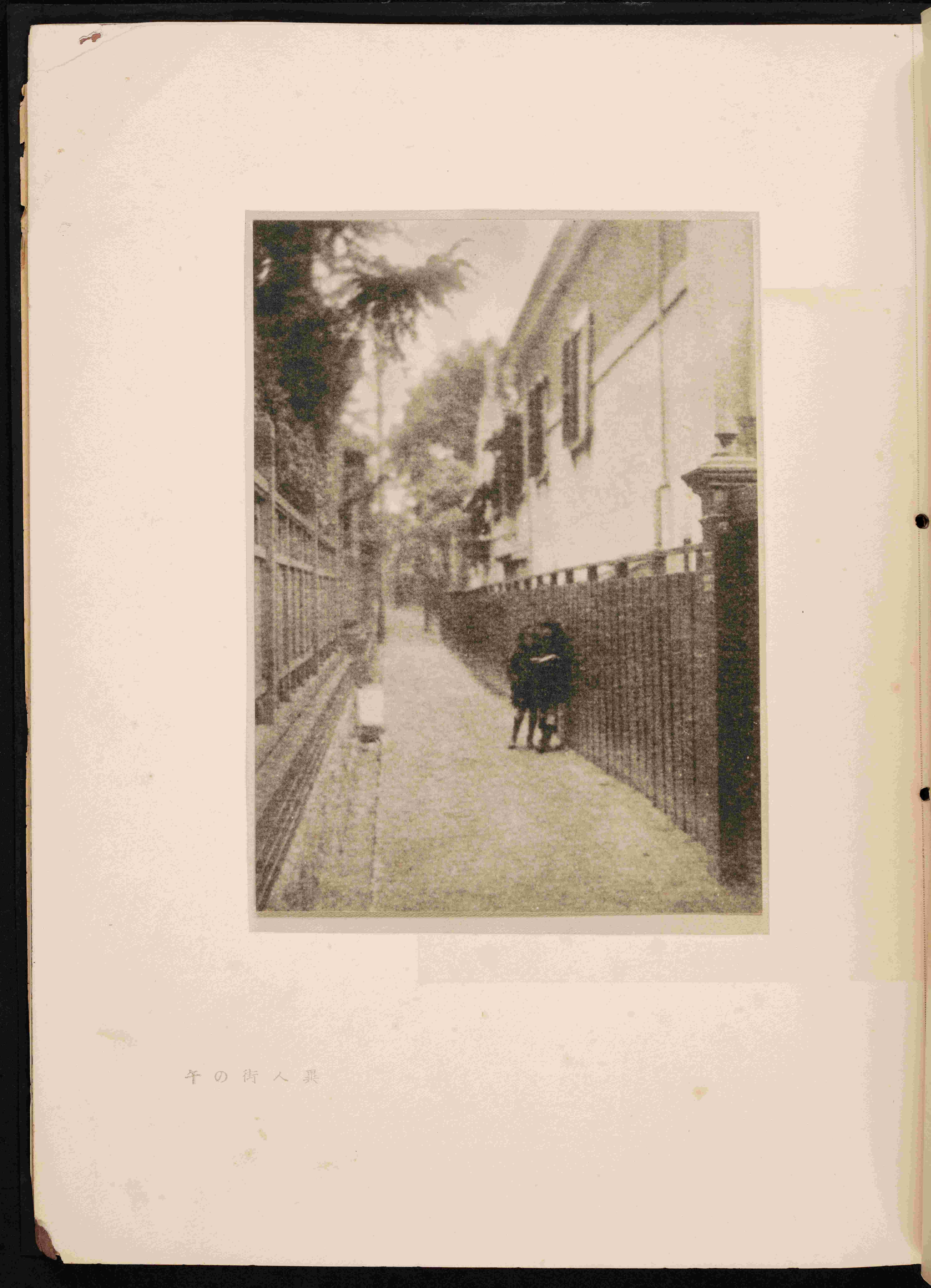
62. Hakuyō / 白陽, 1922-circa 1926
Fuchikami Hakuyō (1889-1960)
Serial publication (Vol. 1, No. 2-4; Vol. 2, No. 6-8, 10; Vol. 3, No. 1, 4-7; Vol. 4, No. 1-2; Vol. 5, No. 6-7)
Kōbe: Hakuyō Gashusha, Taishō 11-15
淵上白陽 (1889-1960)
逐次刊行物 (第1巻, 2-4号; 第2巻, 6-8, 10号; 第3巻, 1, 4-7号; 第4巻, 1-2号; 第5巻, 6-7号)
神戸: 白陽画集社, 大正 11年 -15年
Extremely rare, Hakuyō is considered one of Japan’s most historically important photography magazines. During its four-year run, it inadvertently documented the early 20th century artistic evolution from traditional Pictorialism–in which soft “blurriness” was prized as an approximation of painting–to Modernist Expressionism [#63]. It features both photography and essays about photography by noteworthy Japanese photographers of the era, including its namesake Fuchikami Hakuyō. Above, is his photograph, Foreigners in the Street at Noon [Volume 1, No. 1 (1922)], of the Kitano district in Kobe.

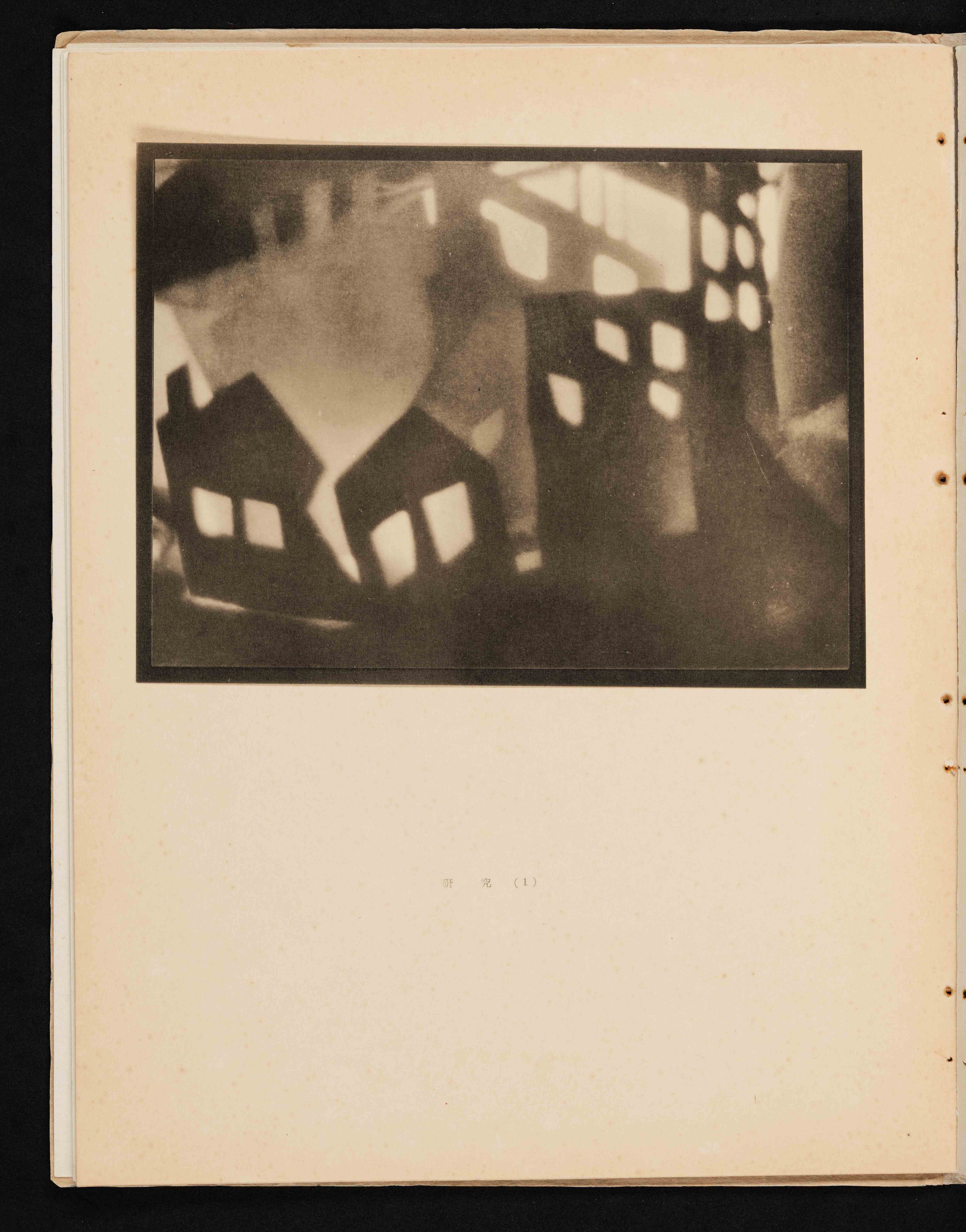
63. Hakuyō / 白陽, 1922-circa 1926
Fuchikami Hakuyō (1889-1960)
Serial publication (Vol. 1, No. 2-4; Vol. 2, No. 6-8, 10; Vol. 3, No. 1, 4-7; Vol. 4, No. 1-2; Vol. 5, No. 6-7)
Kōbe: Hakuyō Gashusha, Taishō 11-15
淵上白陽 (1889-1960)
逐次刊行物 (第1巻, 2-4号; 第2巻, 6-8, 10号; 第3巻, 1, 4-7号; 第4巻, 1-2号; 第5巻, 6-7号)
神戸: 白陽画集社, 大正 11年 -15年
The Great Kanto earthquake, which devastated Tokyo in 1923, forced the relocation of artists of the MAVO group [#69, #70] to the Kobe area, where they encountered Fuchikami Hakuyō and the Japan Photographic Art Association (Nihon Kōga Geijutsu Kyōkai) he founded. Their exchange of ideas resulted in the birth of the Japanese Constructivist School (Kōsei-ha), apparent here in the work of Matsuo Saigorō’ (1905-1956) photograph, Study # 1 [Volume 5, No. 6 (1926)].

64. Hakuyō / 白陽, 1922-circa 1926
Fuchikami Hakuyō (1889-1960)
Serial publication (Vol. 1, No. 2-4; Vol. 2, No. 6-8, 10; Vol. 3, No. 1, 4-7; Vol. 4, No. 1-2; Vol. 5, No. 6-7)
Kōbe: Hakuyō Gashusha, Taishō 11-15
淵上白陽 (1889-1960)
逐次刊行物 (第1巻, 2-4号; 第2巻, 6-8, 10号; 第3巻, 1, 4-7号; 第4巻, 1-2号; 第5巻, 6-7号)
神戸: 白陽画集社, 大正 11年 -15年
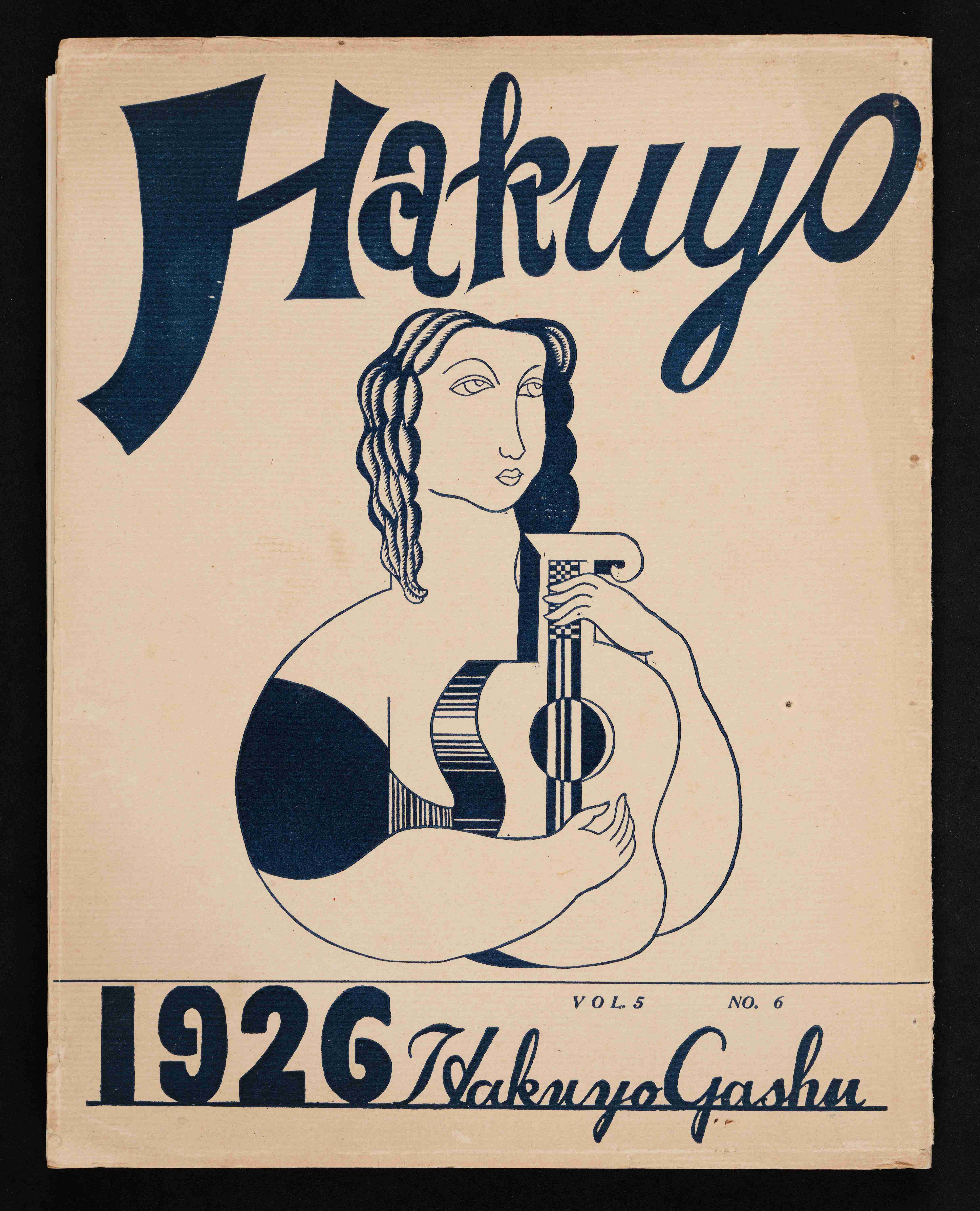
Early issues of Hakuyō magazine have modern images printed on their covers and are unique in size and shape. By 1924, the dimensions of the magazine had become uniform and by 1925, the covers were all printed with this design of a woman playing the guitar on differently colored papers.

65. Hanga: Le Nouvelle Revue du Gravure [Woodblock Prints: A Showcase of New Woodcuts], 1924-1930
Various Artists; Yamaguchi Hisayoshi (Publisher/Editor) (dates unknown)
Serial publication (Various formats) Nos. 1-8, 9/10, 11, 18
Kobe: Hanga no Ie, Taishō 13 - Shōwa 5
諸作者/山口久吉(出版・編集)(生没年不詳)
逐次刊行物 (各種形式); 1-8号, 9/10号, 11号, 18号
神戸: 版画の家, 大正 13年 - 昭和 5年
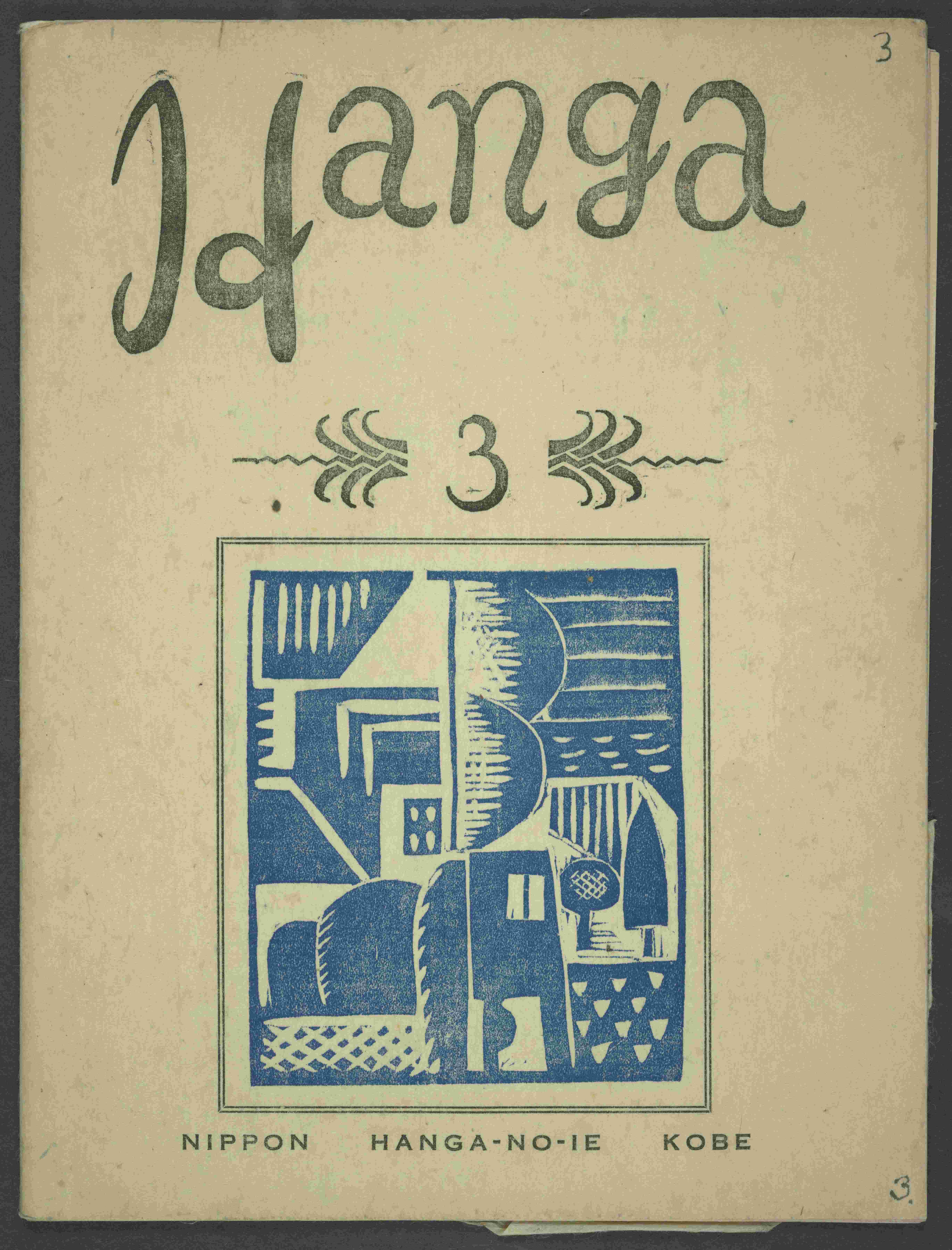
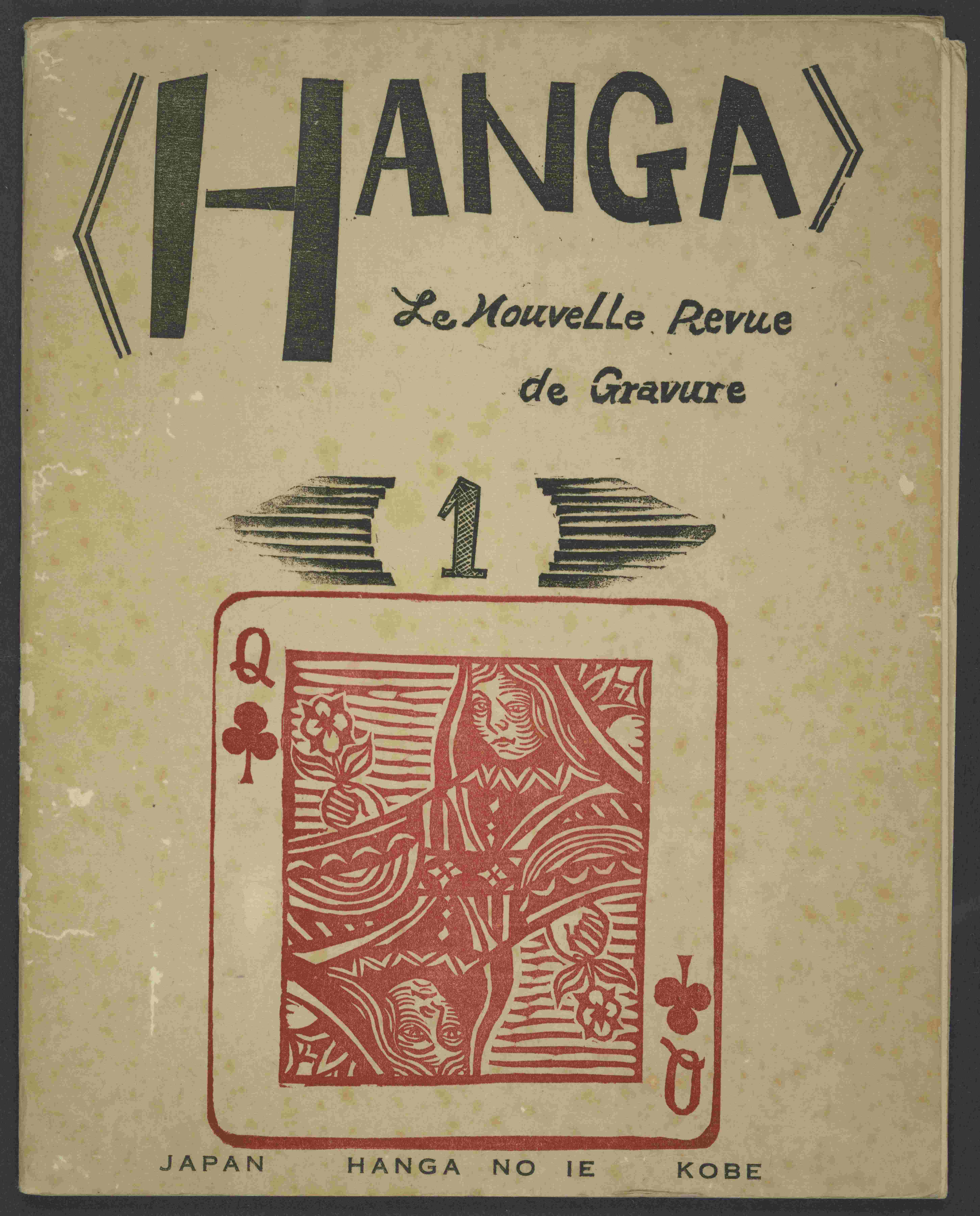
At the beginning of the 20th century, modern European ideas about art and art-making arrived in Japan. Hanga showcases this influence on Japanese artists, who broke with their almost 300-year long workshop printing tradition, to carve their own blocks and pursue the Western concept of “art for art’s sake.” Published quarterly between 1924 and 1930, Hanga celebrated their work and unknowingly helped to document the rise of what became known as the Sōsaku hanga (Creative Print 創作版画) movement.

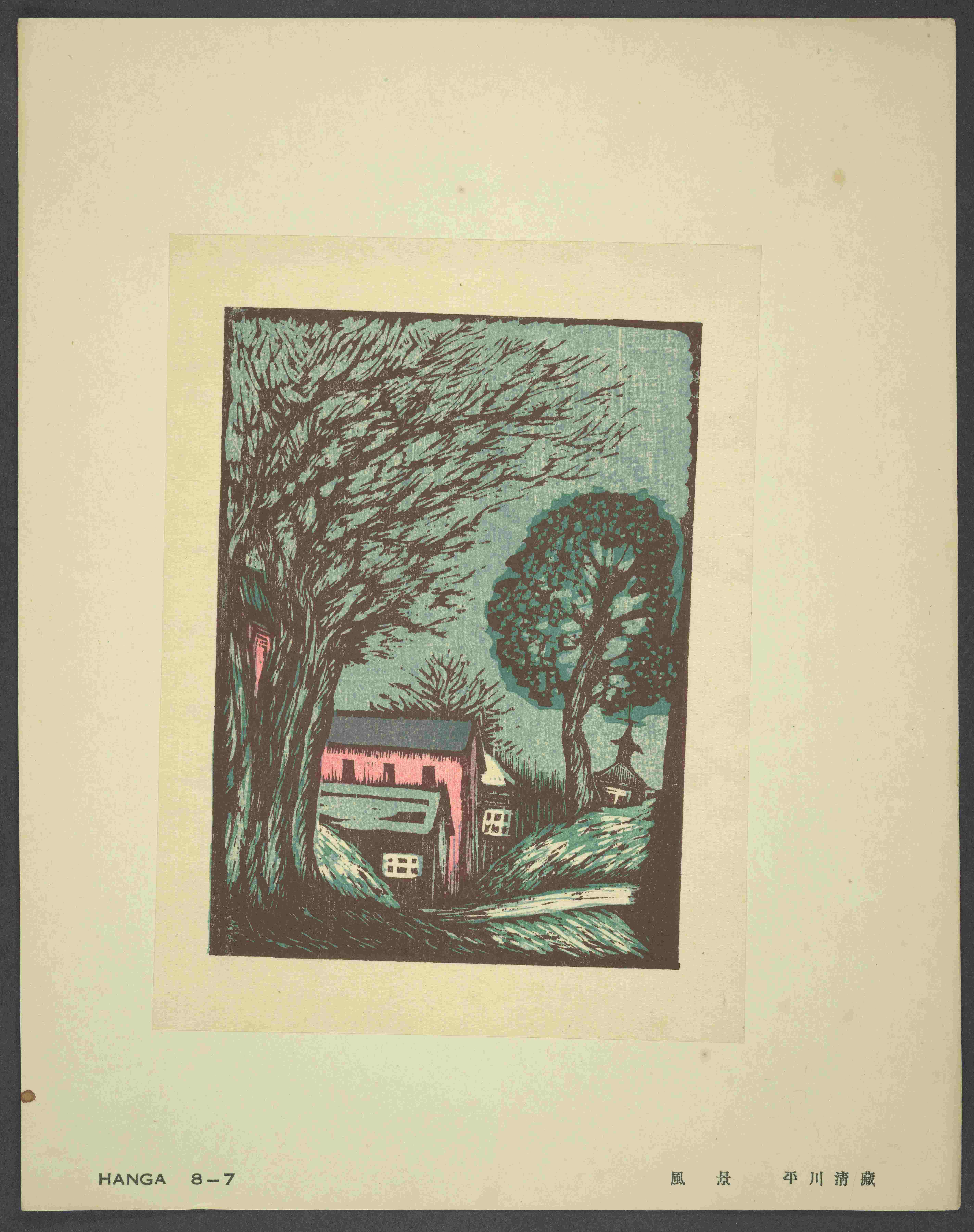
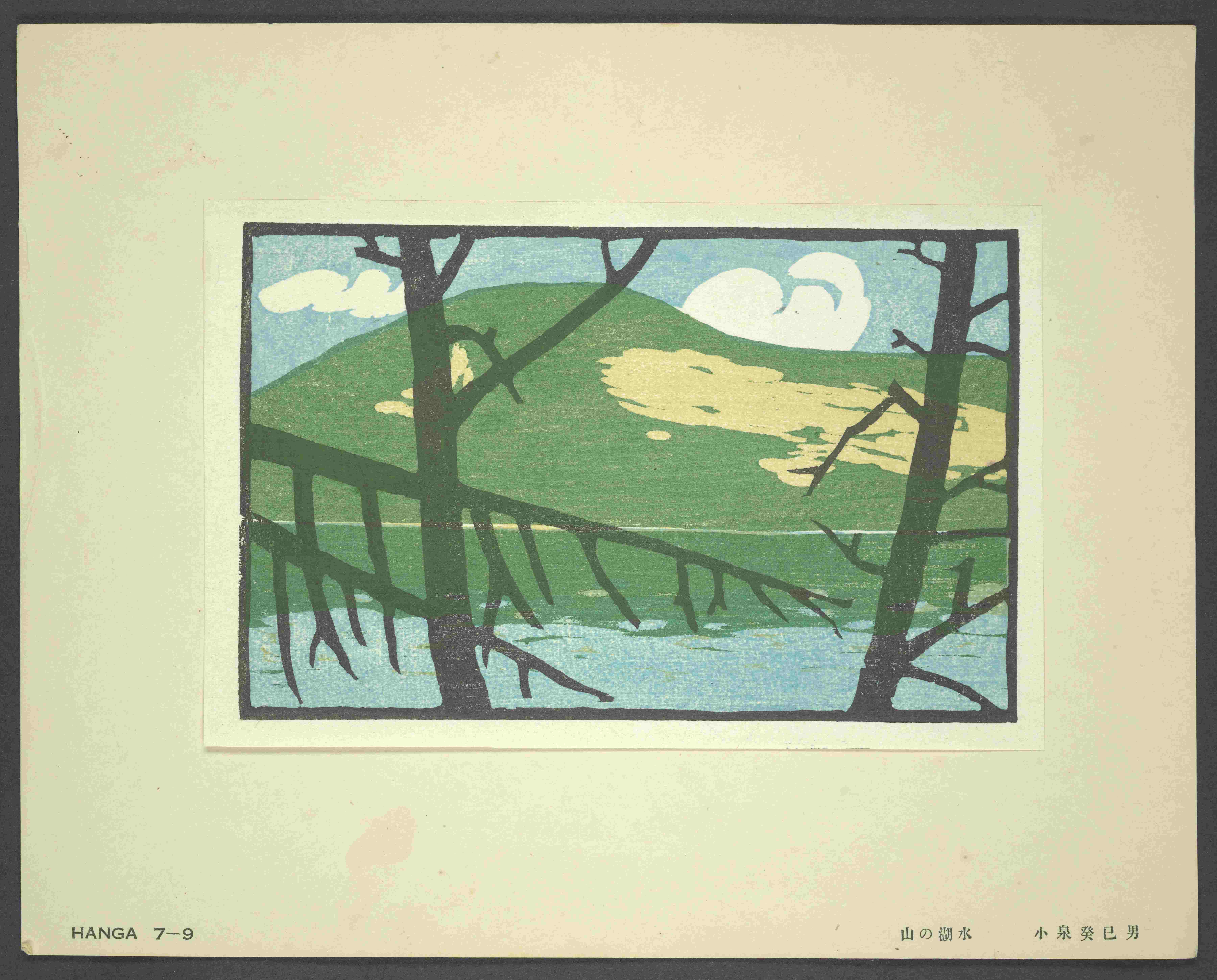
66. Hanga: Le Nouvelle Revue du Gravure [Woodblock Prints: A Showcase of New Woodcuts], 1924-1930
Various Artists; Yamaguchi Hisayoshi (Publisher/Editor) (dates unknown)
Serial publication (Various formats) Nos. 1-8, 9/10, 11, 18
Kobe: Hanga no Ie, Taishō 13 - Shōwa 5
諸作者/山口久吉(出版・編集)(生没年不詳)
逐次刊行物 (各種形式); 1-8号, 9/10号, 11号, 18号
神戸: 版画の家, 大正 13年 - 昭和 5年
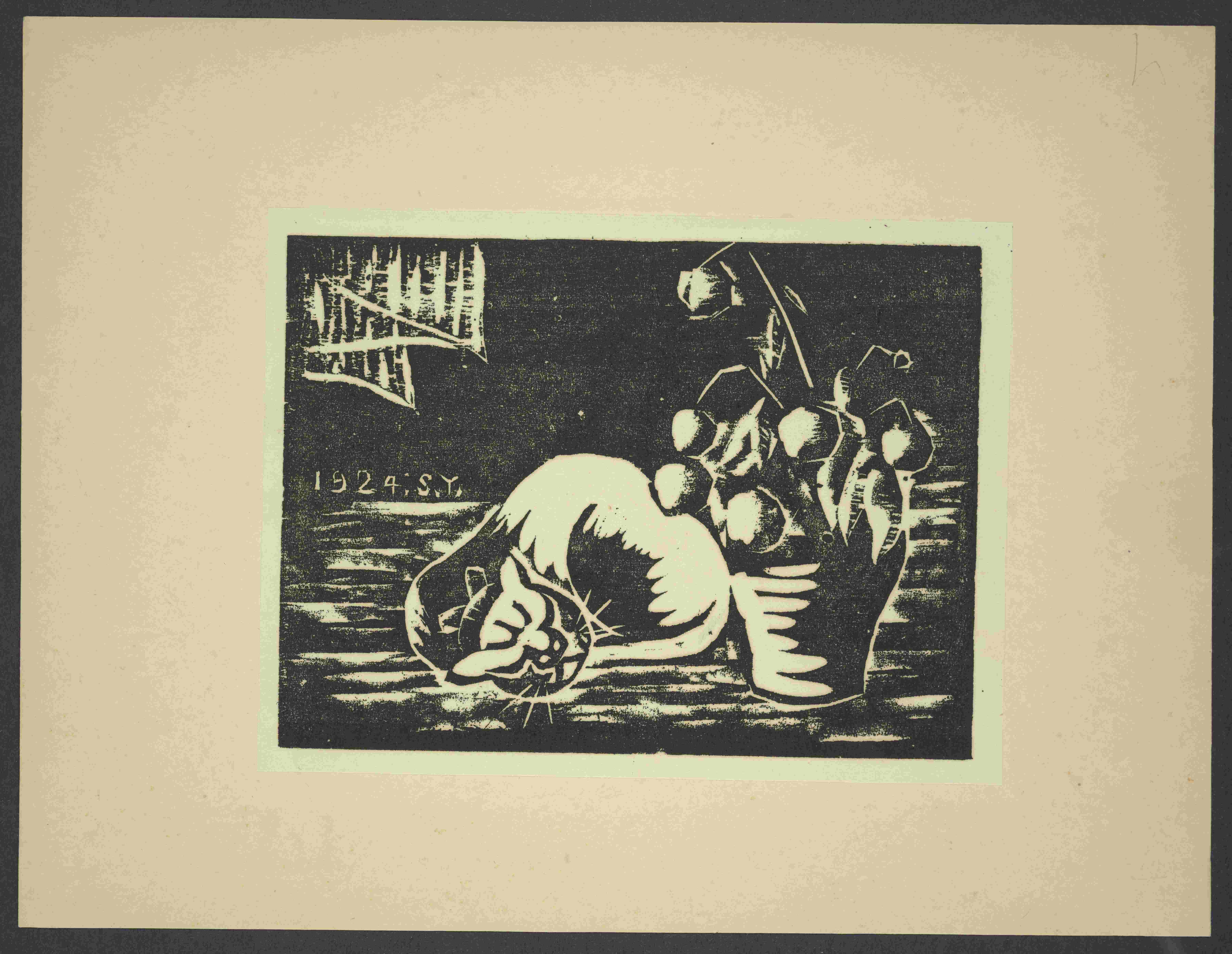
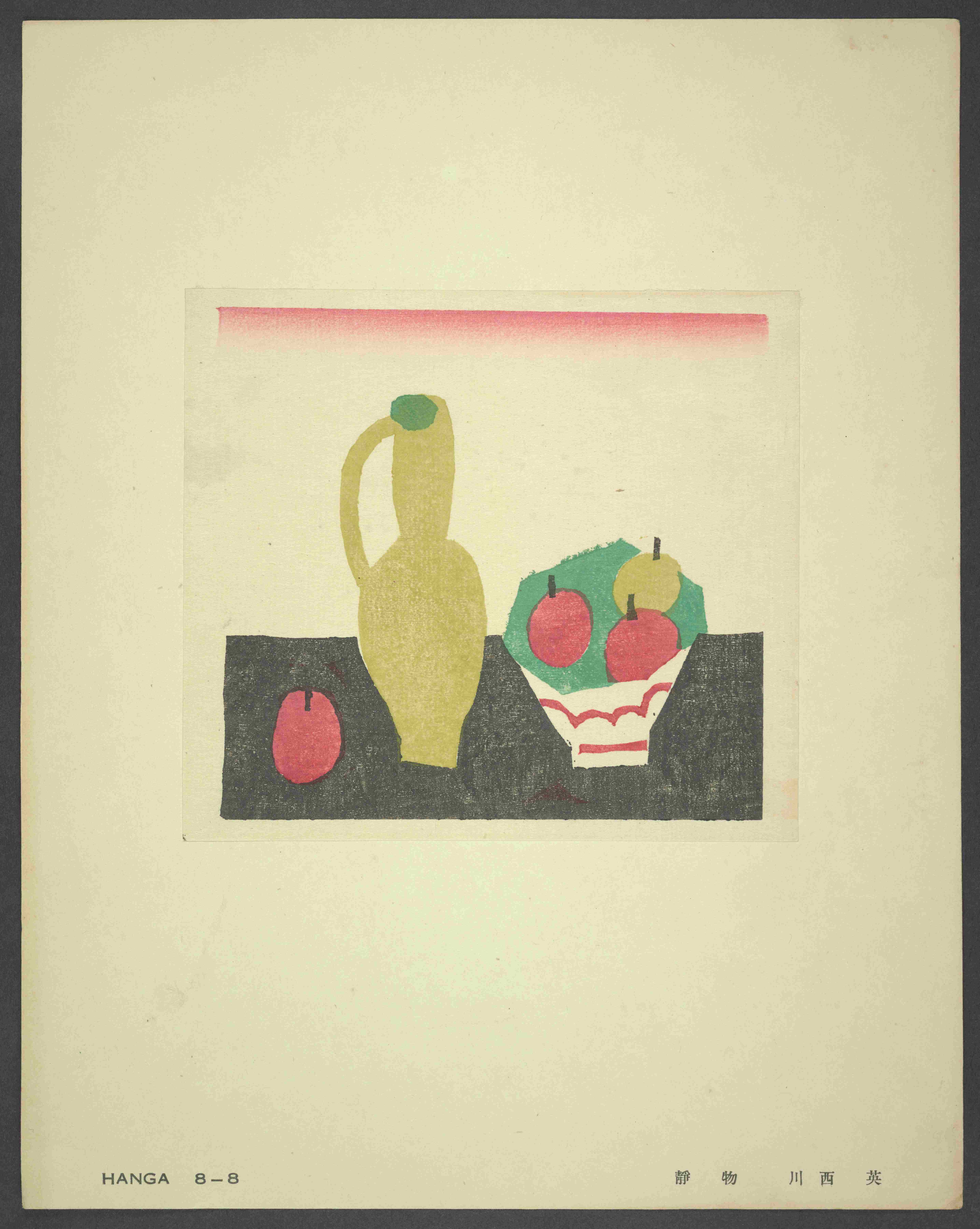
Serials that promoted the Creative Print Movement often took the form of actual woodblock prints enclosed in portfolios or envelopes that were sent to subscribers. Subscribers to Hanga were automatically “members of the Hanga no Ie Institute” and received a set of 10 prints each quarter (Clockwise from left): “Still-Life” by Kawanashi Hide (1894-1965), Volume 8, No. 8; “Mountain in Lake” by Koizumi Kishio (1893-1945) Volume 7, No. 9; “Landscape” by Hirakawa Seizo (1896-1964) Volume 8, No. 7; “August Afternoon” by Yamaguchi Susumu (1897-1983), Volume 3, No. 8.

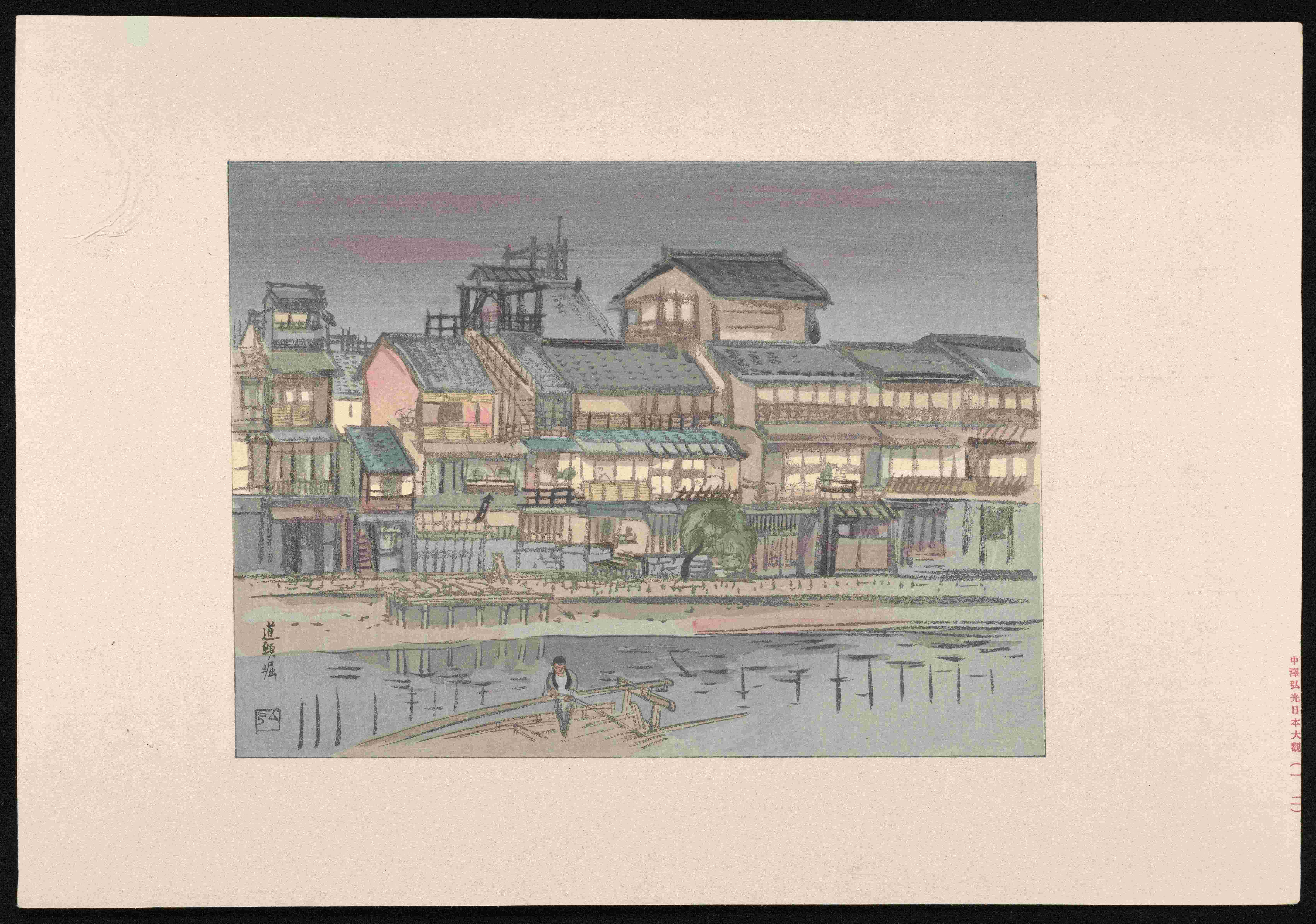
67. Nihon taikan [Views of Japan] / 日本大観, 1922
Nakazawa Hiromitsu (1874-1964)
50 prints (portfolio)
Tokyo: Bun'endō, Taishō 11
中沢弘光 (1874-1964)
五十枚 (ポートフォリオ)
東京: 文淵堂, 大正 11年
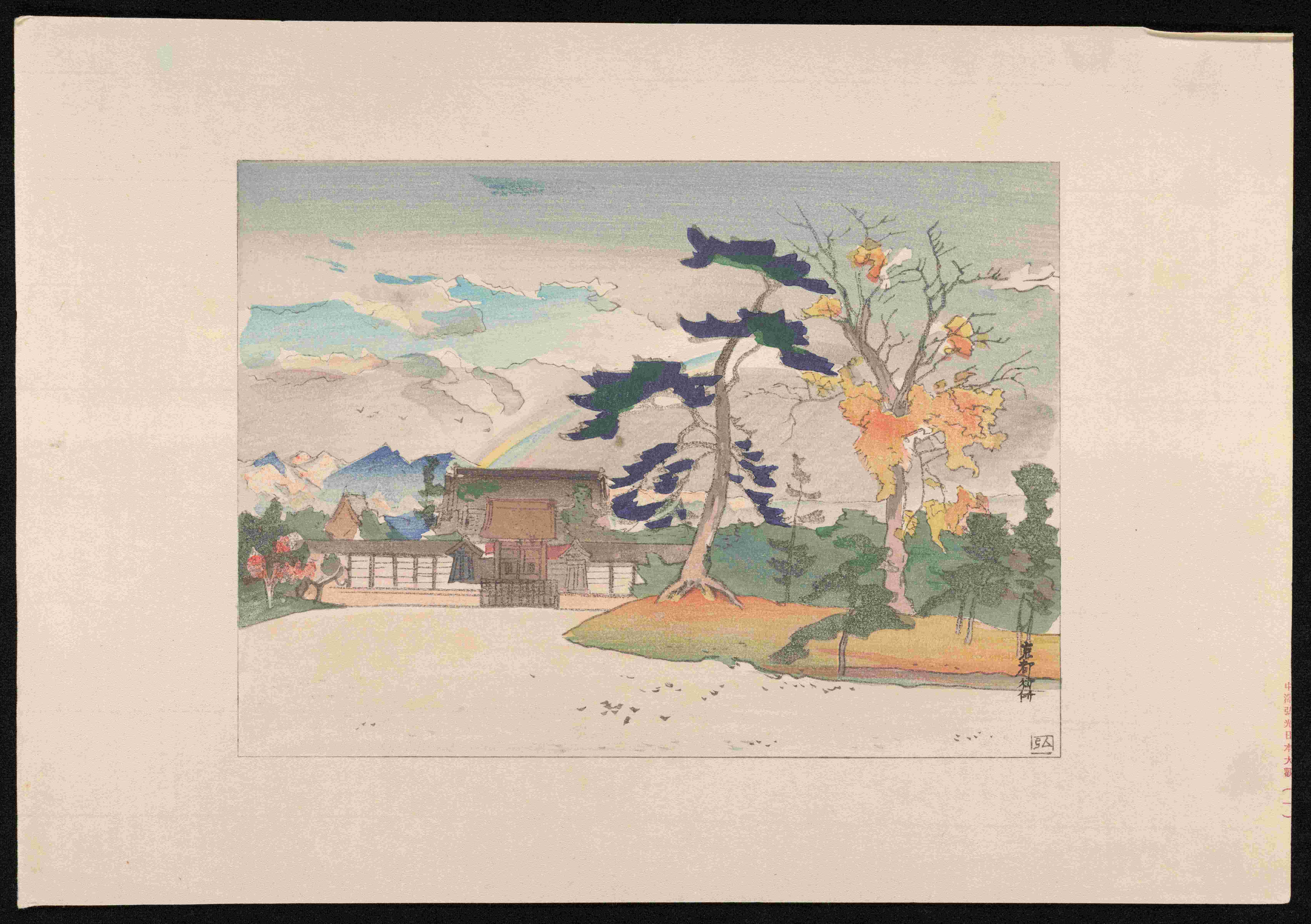
As the “Creative Print Movement” [#65, #66] gained its audience, other groups of artists sought to reestablish the art of traditional woodblock print-making. Known as Shin hanga (New Prints 新版画), the prints in this book were collaboratively created by artists working with professional woodblock carvers and printers. Though also influenced by European art, the subject matter of New Prints focuses largely on Japan–its landscape, people, flora, and fauna. Most copies of this book were destroyed in the Great Kanto Earthquake of 1923.

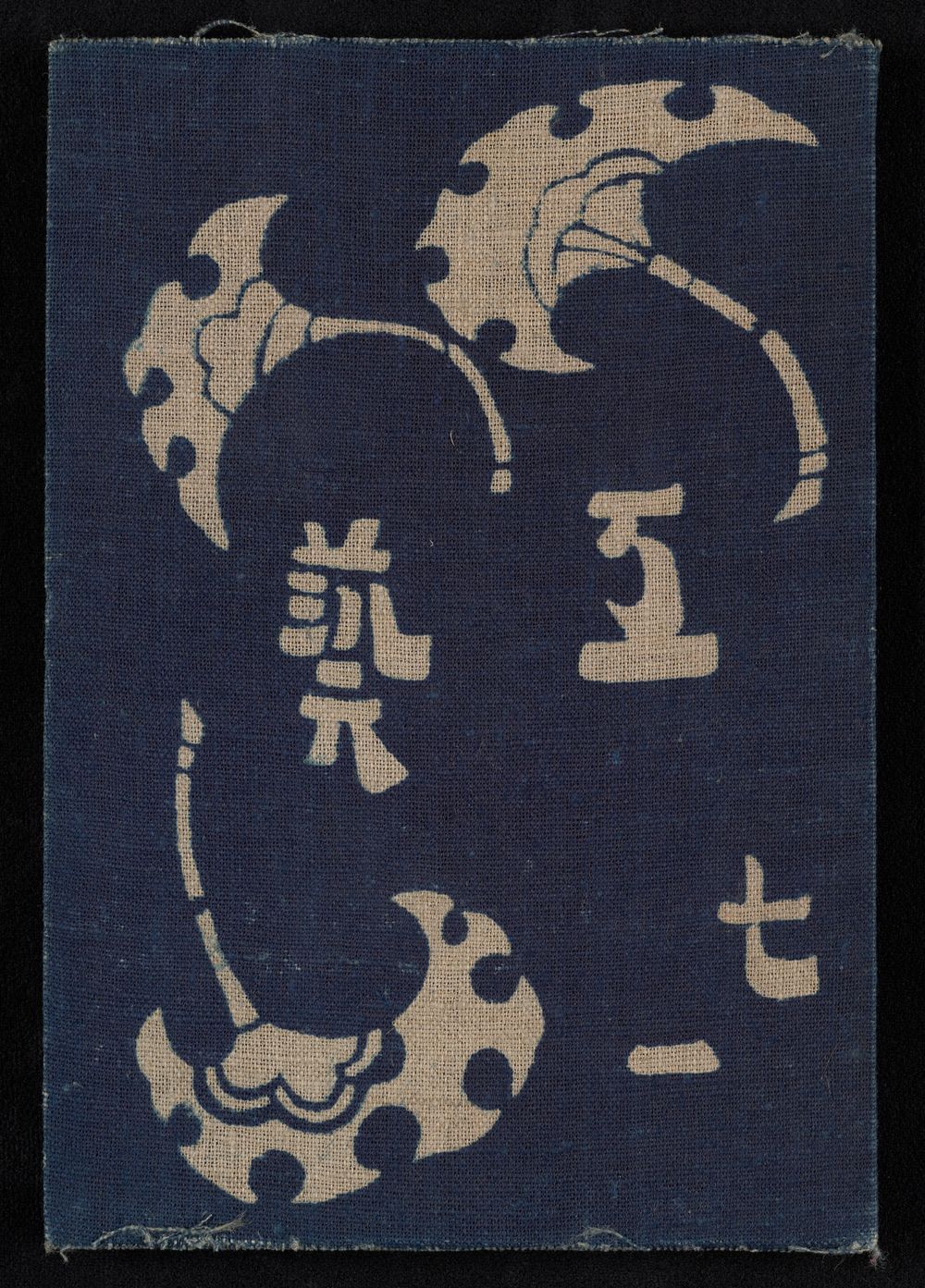
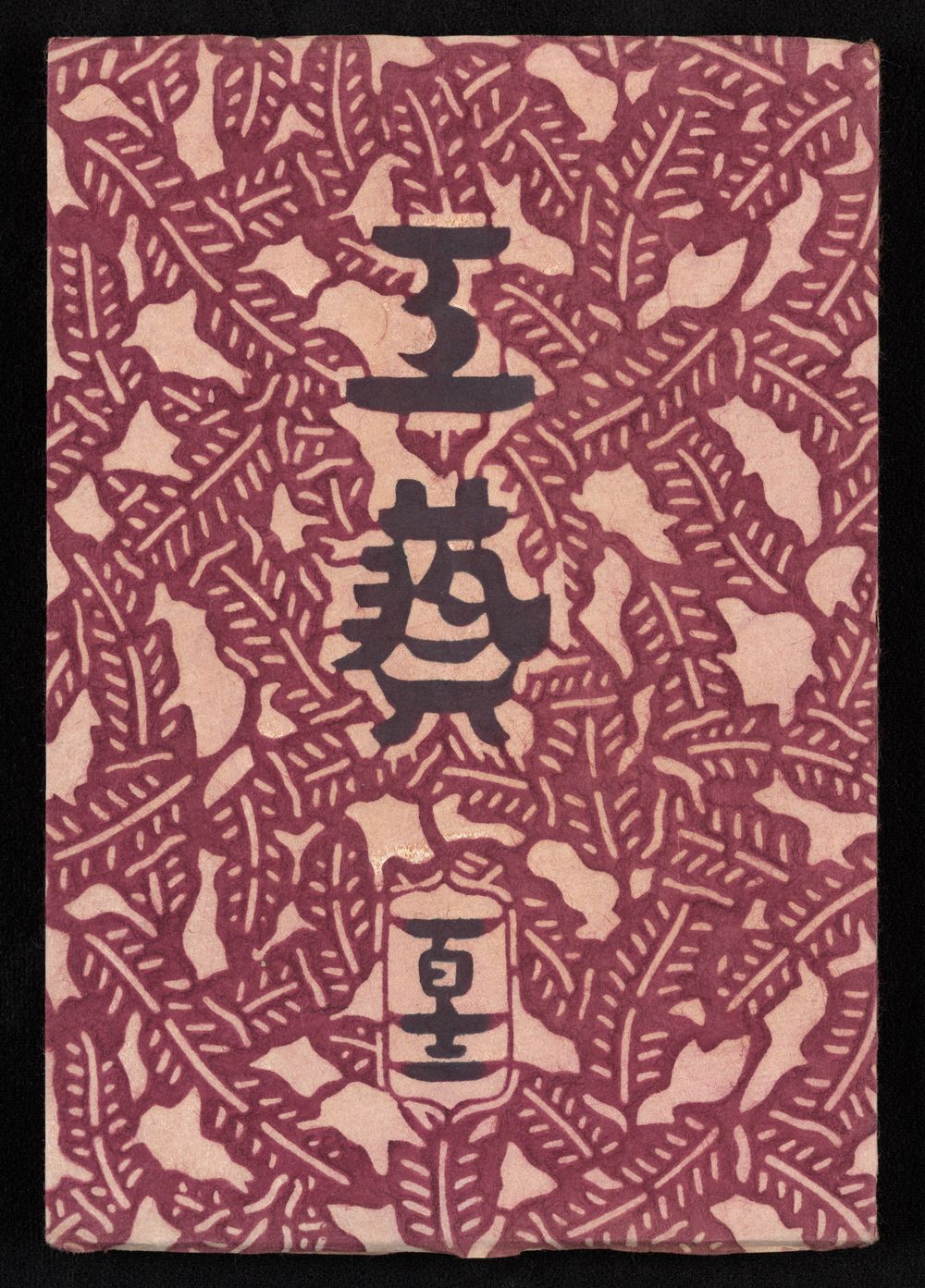
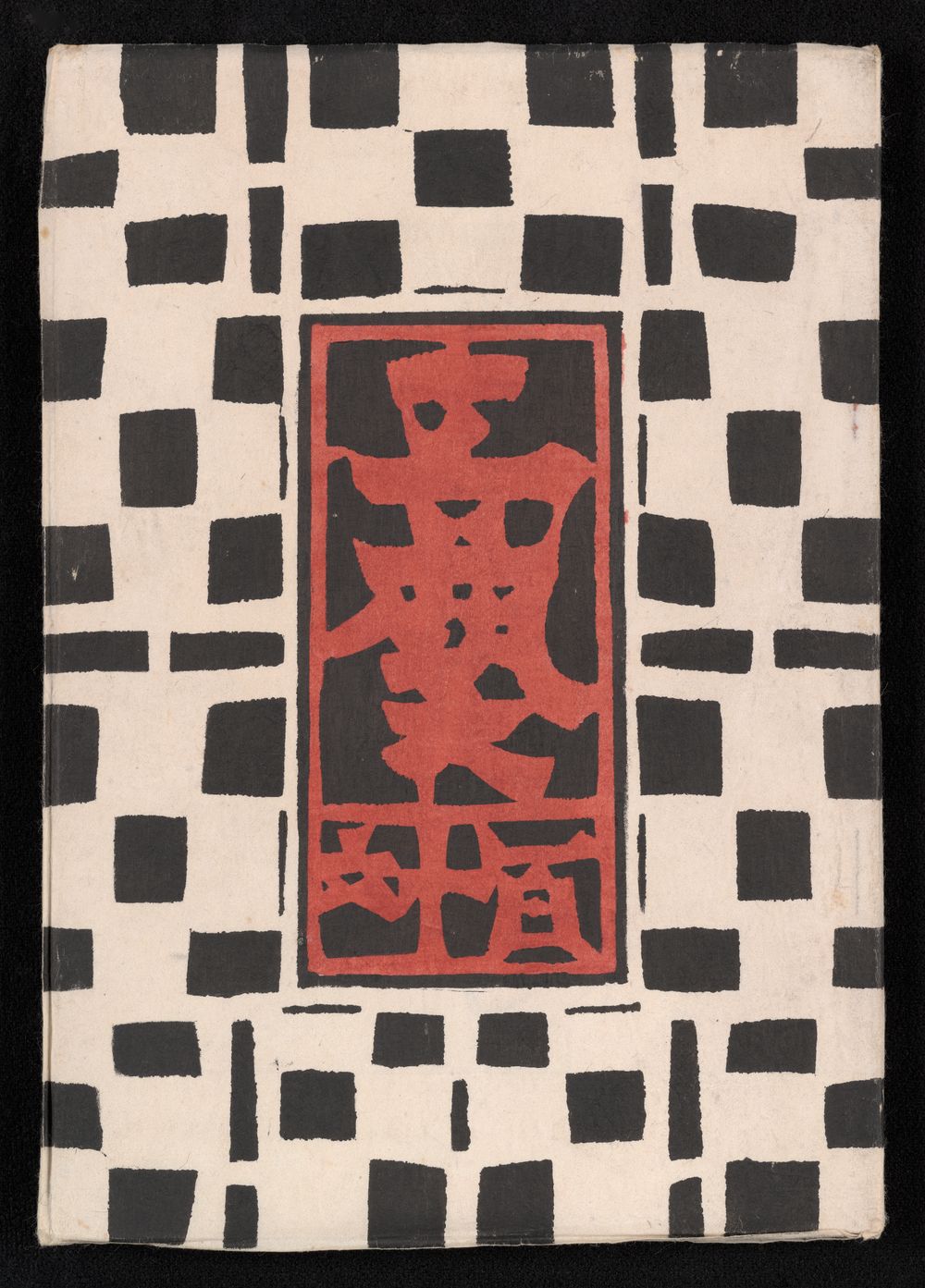
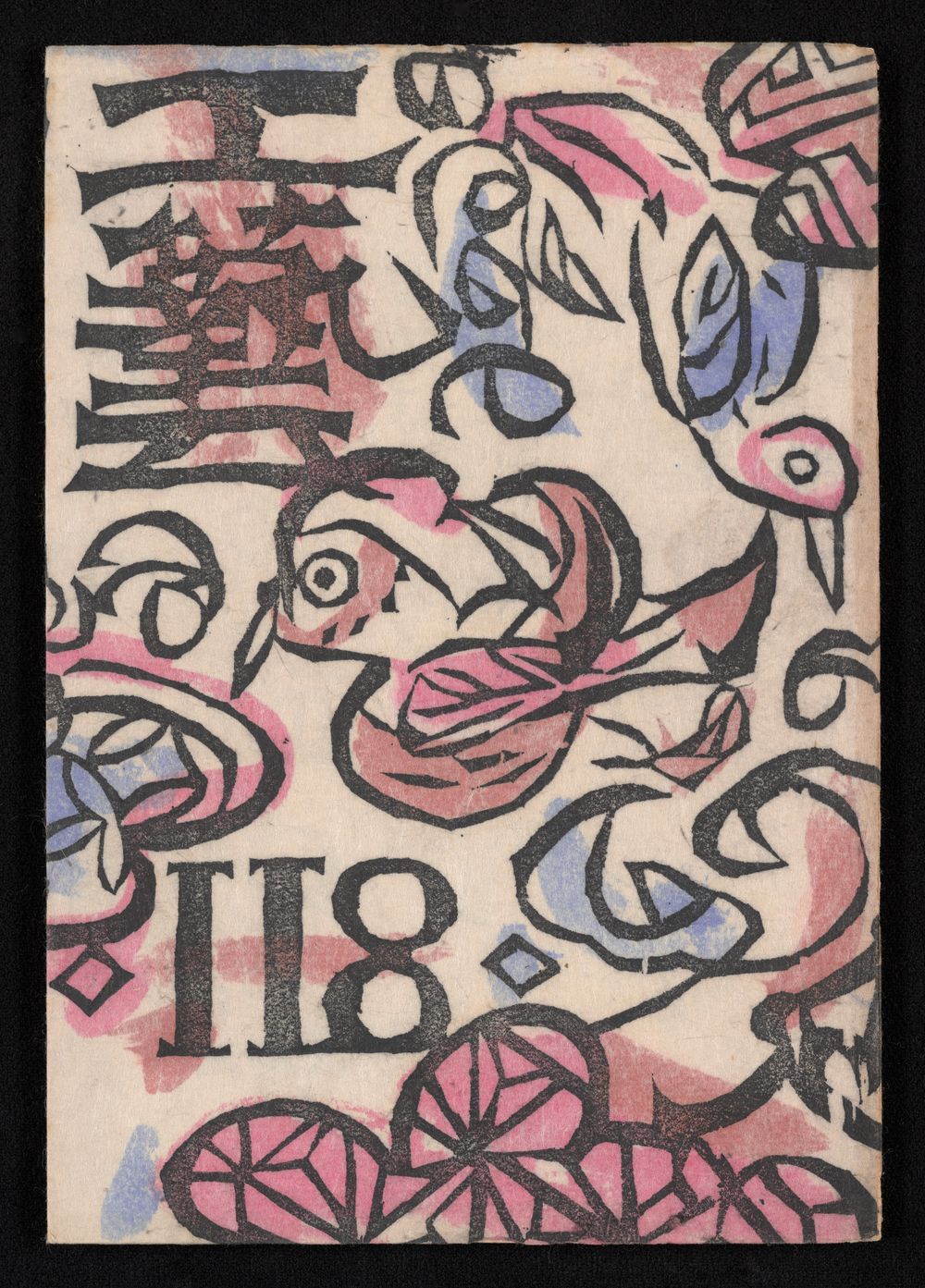
68. Kōgei [Crafts] / 工藝, 1931-1951
Yanagi Sōetsu aka Yanagi Muneyoshi (1889-1961), editor
Serial publication (120 issues)
Tokyo: Jurakusha, (Nihon mingei kyōkai (Japanese Folk Craft Association)), Shōwa 6-Shōwa 26
柳宗悦 (1889-1961), 編集者
逐次刊行物 (百二十冊)
東京: 聚楽社 (日本民藝協会), 昭和6-昭和 26年
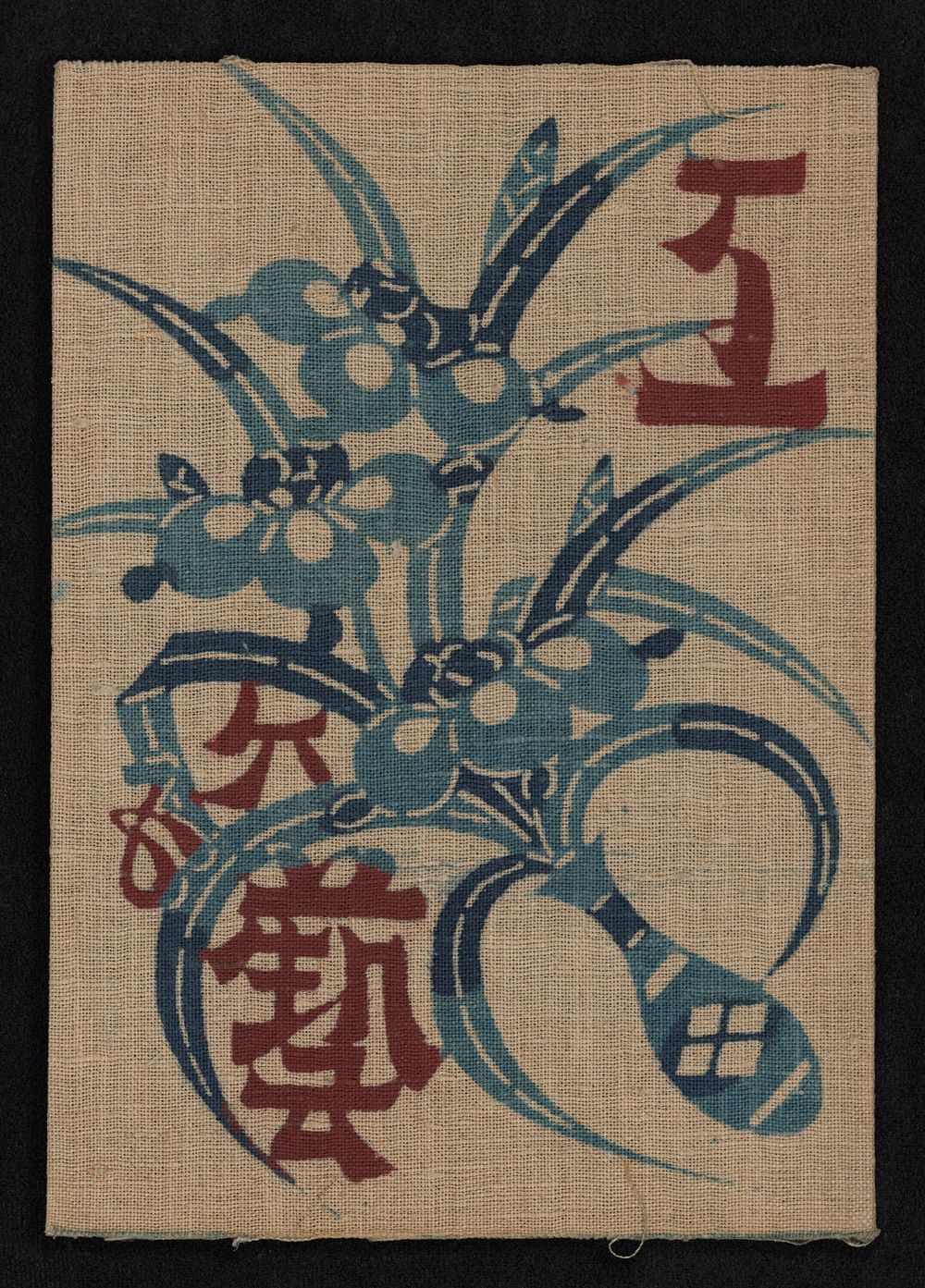
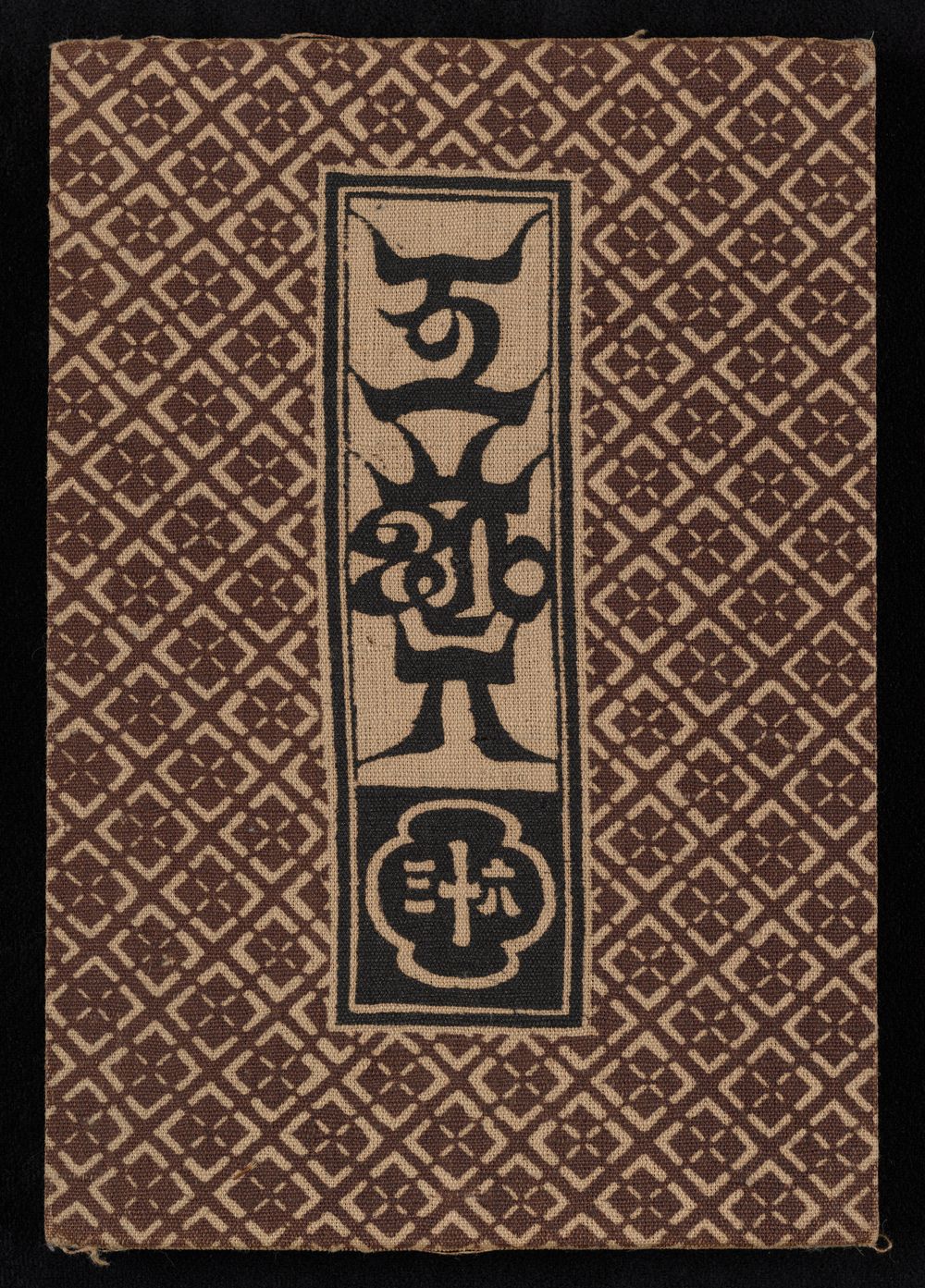
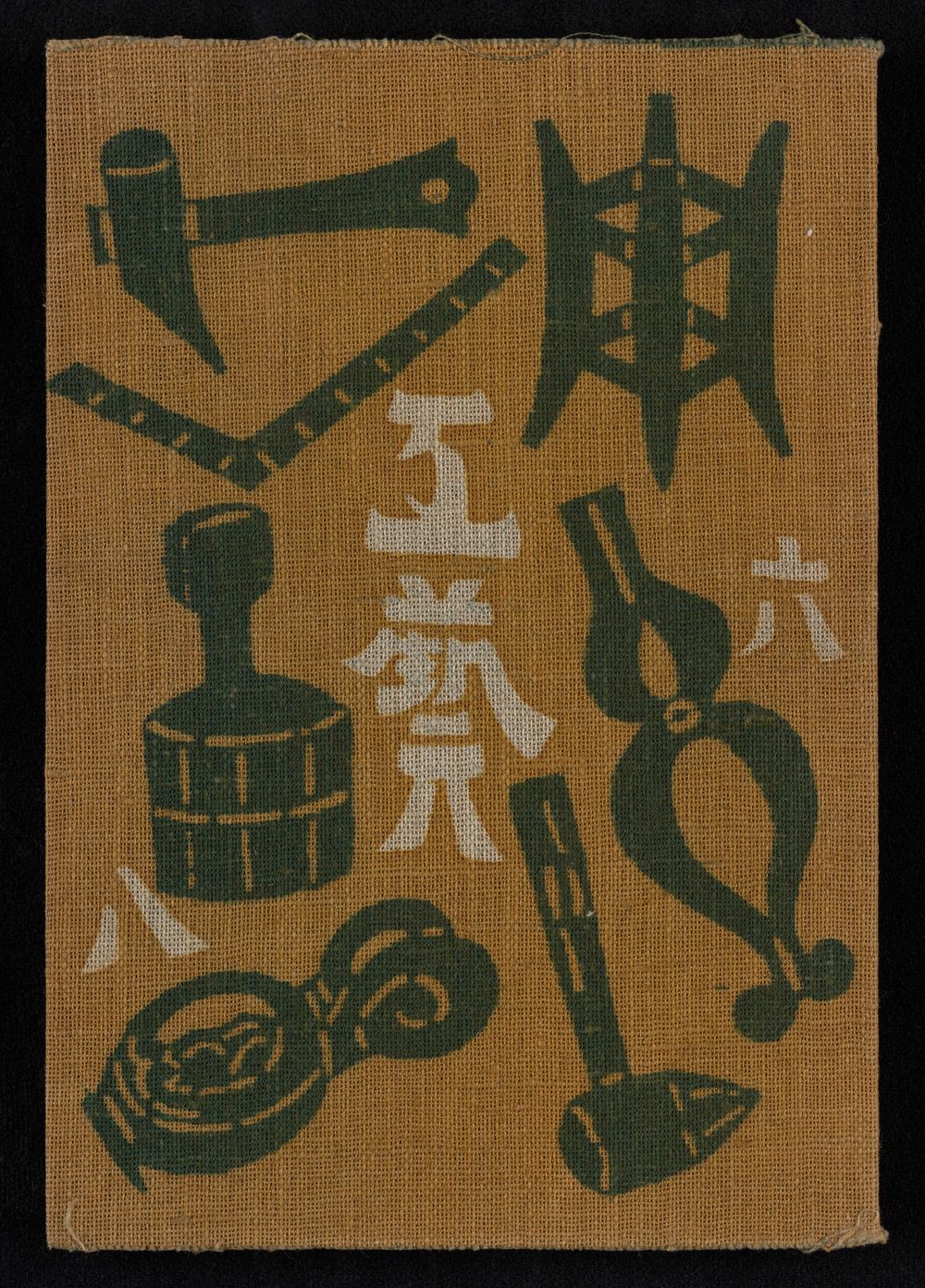
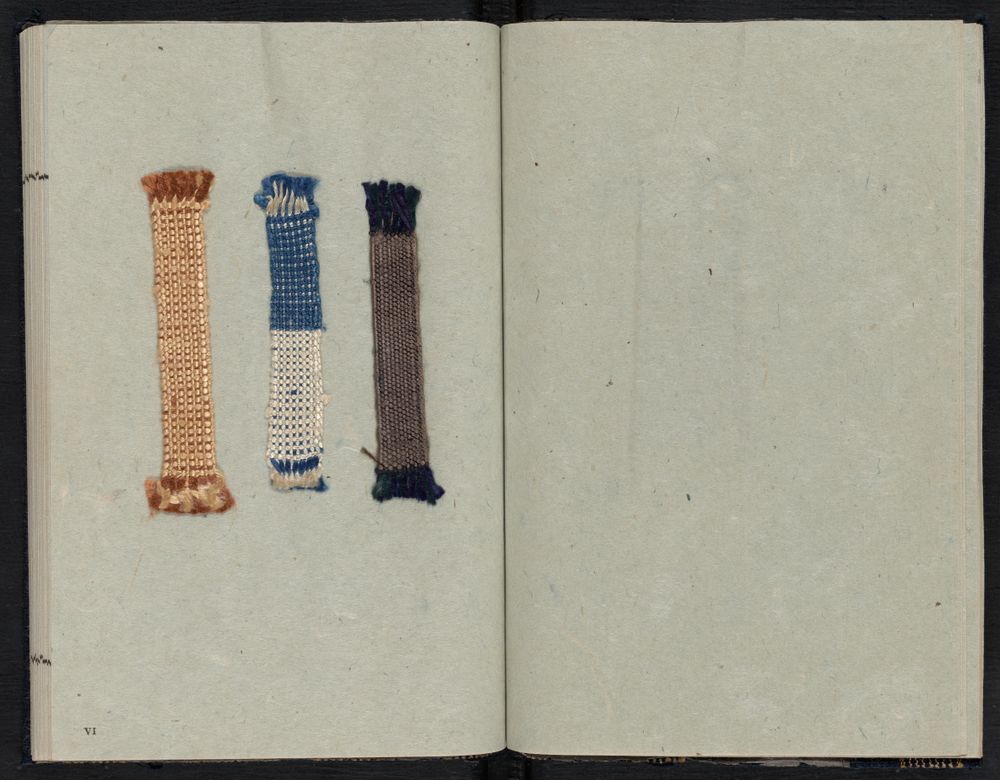
Mingei, the folk craft movement in Japanese art, emerged in the 1920s alongside avant-garde movements like MAVO. Founded by Yanagi Sōetsu, the editor of this publication, it celebrated that there was great beauty in everyday utilitarian objects made by anonymous craftspeople. Kōgei, the journal of this movement, is filled with illustrations of crafts of all kinds (including ceramics, lacquerware, basketry, embroidery, metalwork, and woodwork). Each issue was hand-assembled and made from handmade paper and textiles. Textile and paper samples were also often pasted into the issues.

69. Kōseiha kenkyū [Study of Constructivism] / 構成派研究, 1926
Murayama Tomoyoshi (1901-1977)
One volume
Tokyo: Chūōbijutsusha, Taishō 15
村山知義 (1901-1977)
一冊
東京: 中央美術社, 大正15年
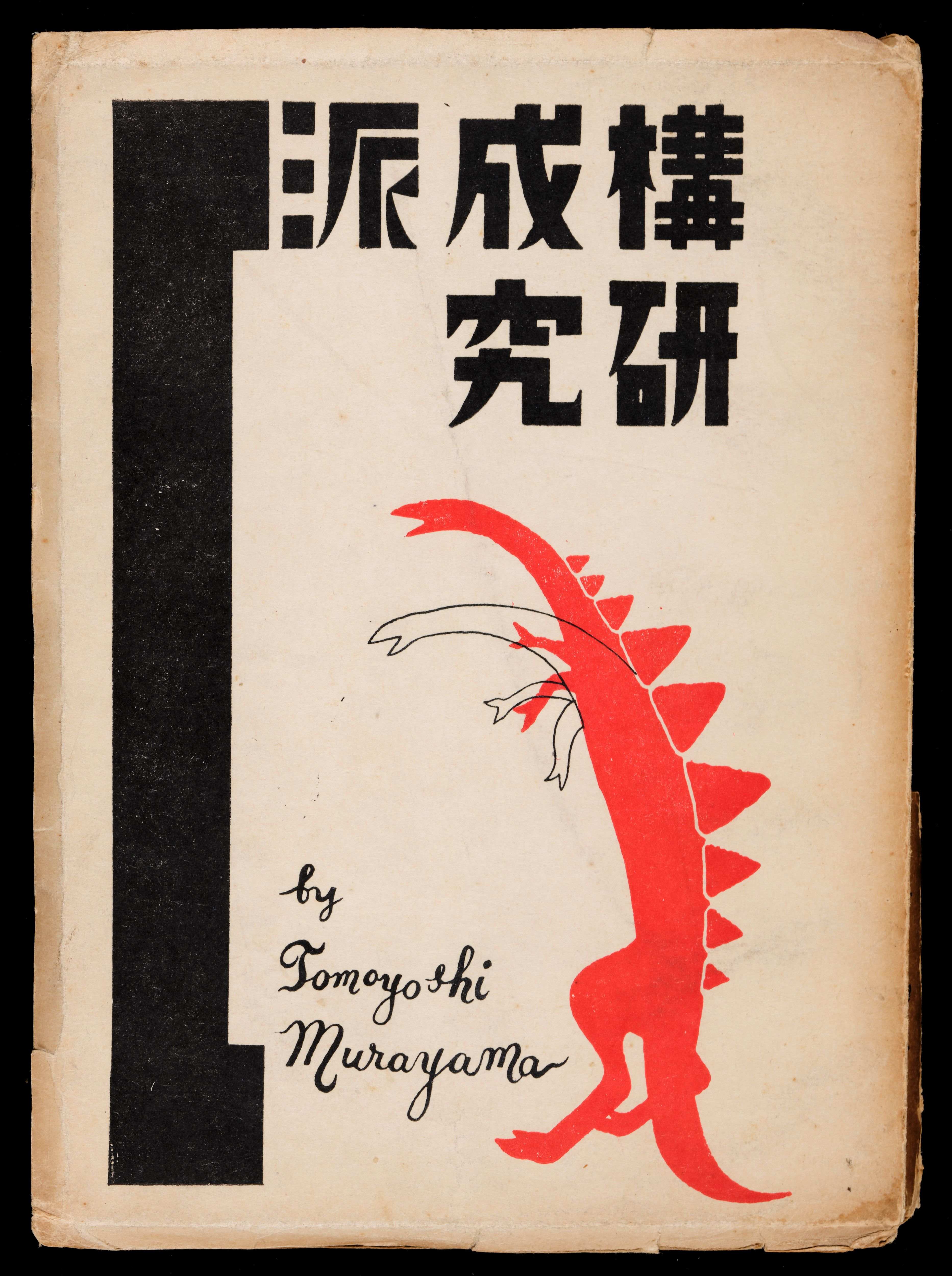
In the 1920s new themes in publishing emerged. Books of and about modernist and avant-garde art and literature took center stage. In this book, Murayama Tomoyoshi, founder of the radical art group MAVO, discusses his most recent ideas about Constructivism, the socialist Russian art movement by which he was inspired while studying in Germany years earlier. His design of this book shows his interest in typography as an art form and the Bauhaus’ influence on his work.

70. MAVO-Senshoku zuanshū [MAVO-Dyeing and Weaving Designs] / MAVO-染色図案集, 1927
Murayama Tomoyoshi (1901-1977)
One volume
Kyoto: Mariya Gabo, Shōwa 2
村山知義 (1901-1977)
一冊
京都: マリヤ画房, 昭和2年
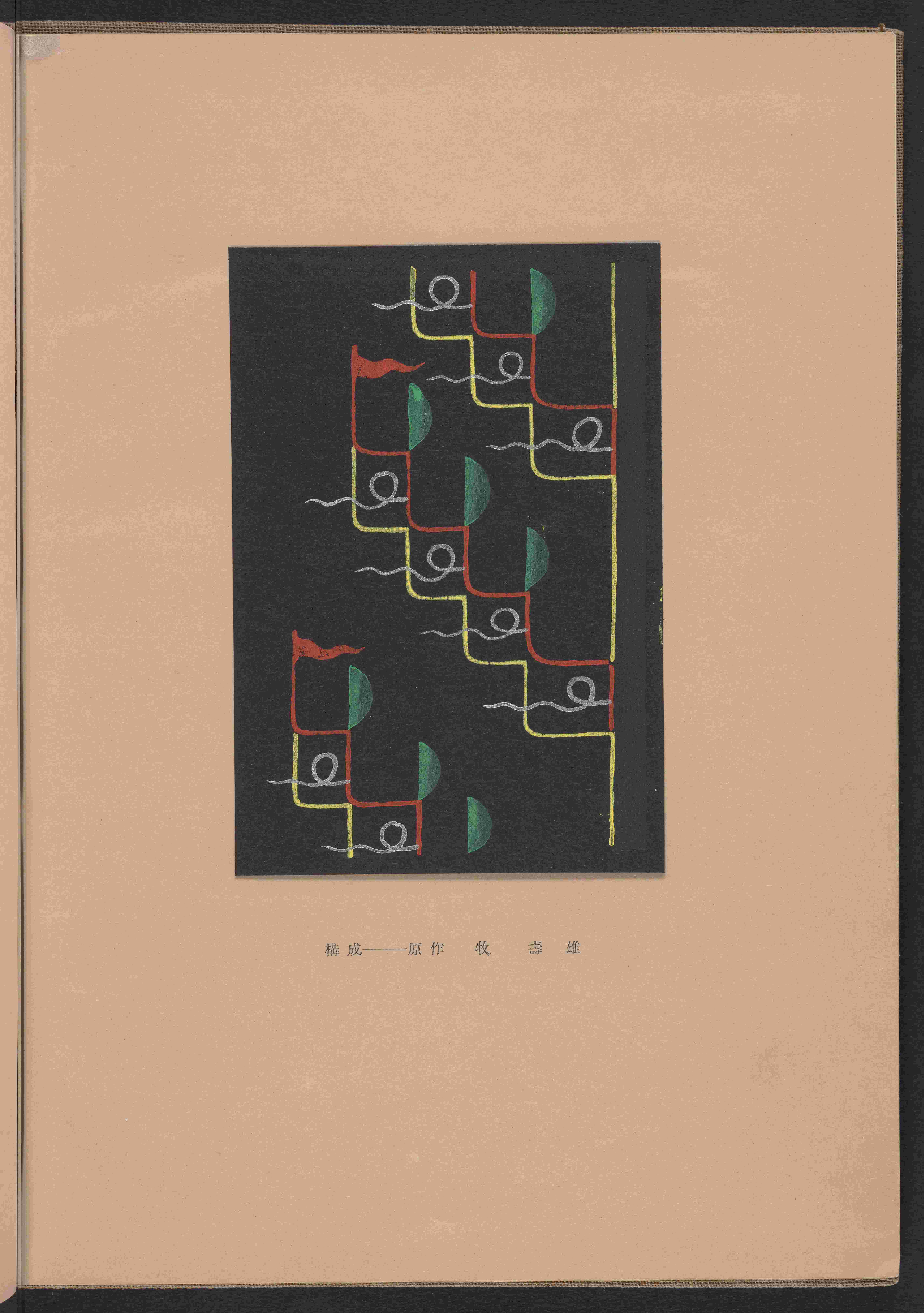
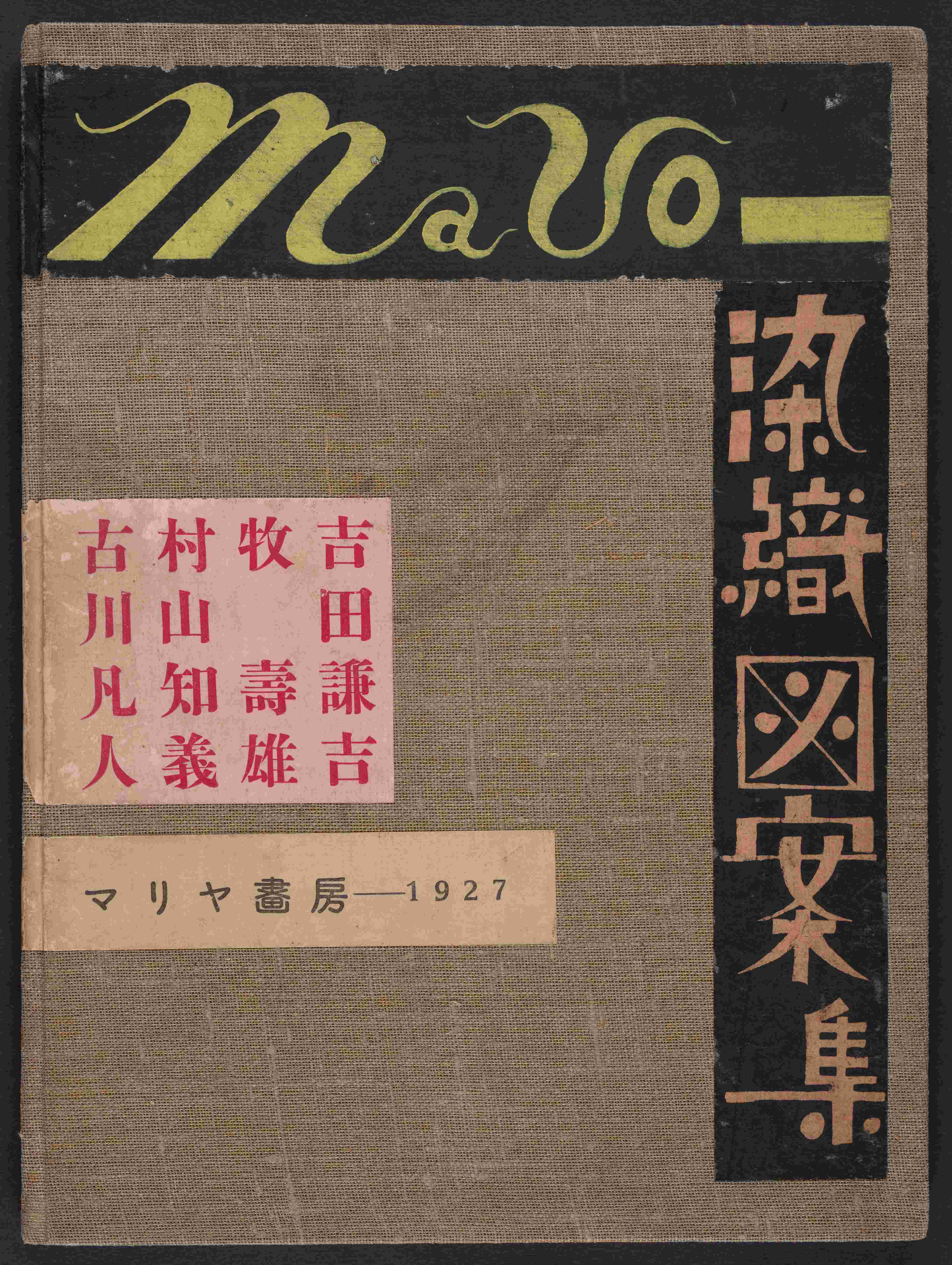
MAVO, one of the major avant-garde art movements of the early 20th century, rejected traditional boundaries among the various media and sought to make art that was truly interdisciplinary. This led its founder, Murayama Tomoyoshi, to textile arts and the publication of this book that offers a revolutionary approach to dyeing and weaving. It also outlines the Constructivist attitude toward clothing, which included the idea of unisex dressing and clothes that functioned for both work and play. Exhibited here is an original color stencil print by Maki Toshio (1906-1986).

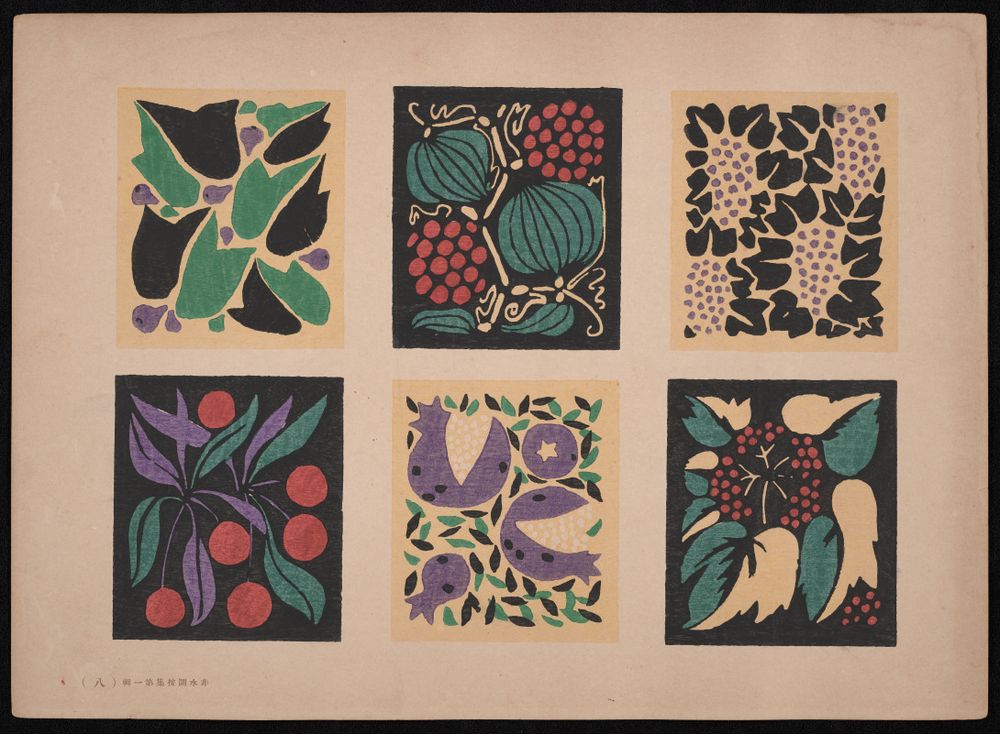
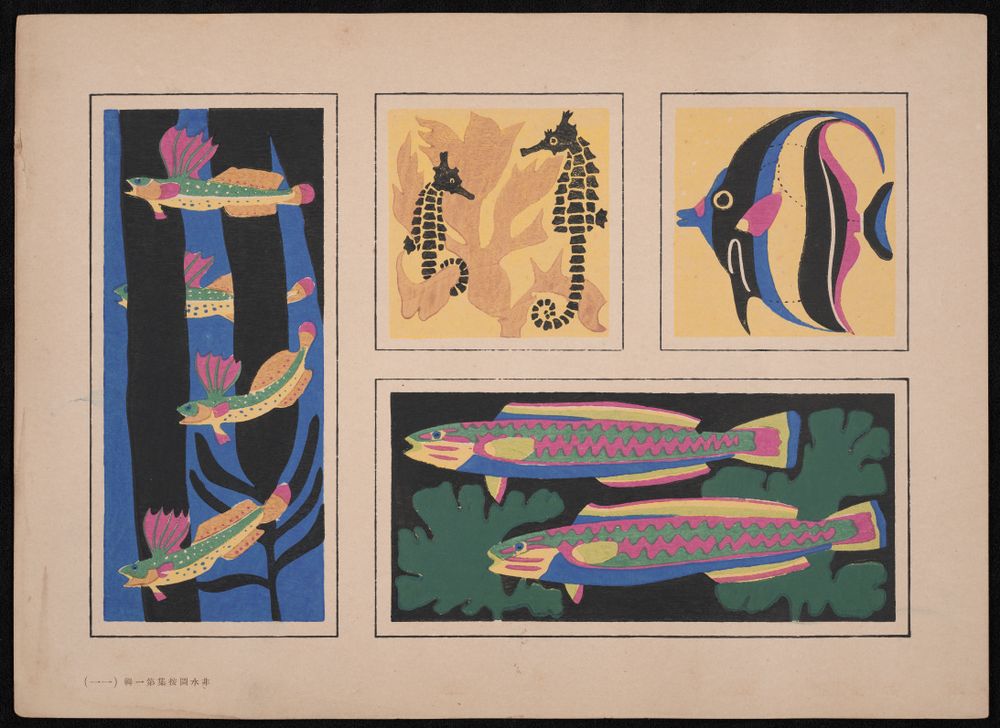
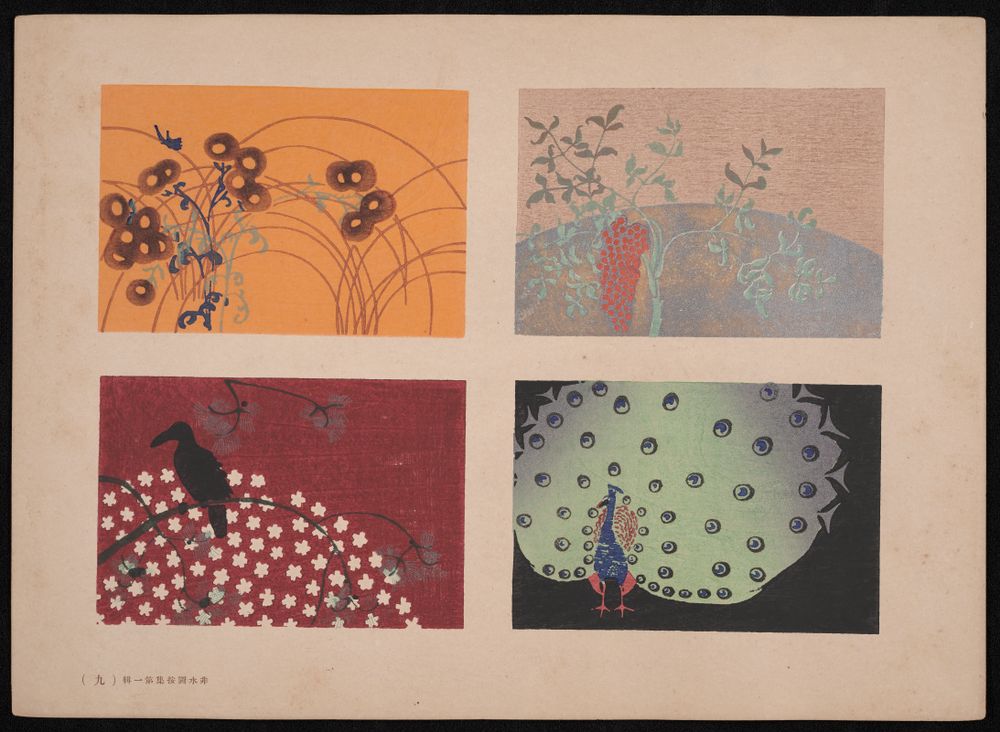
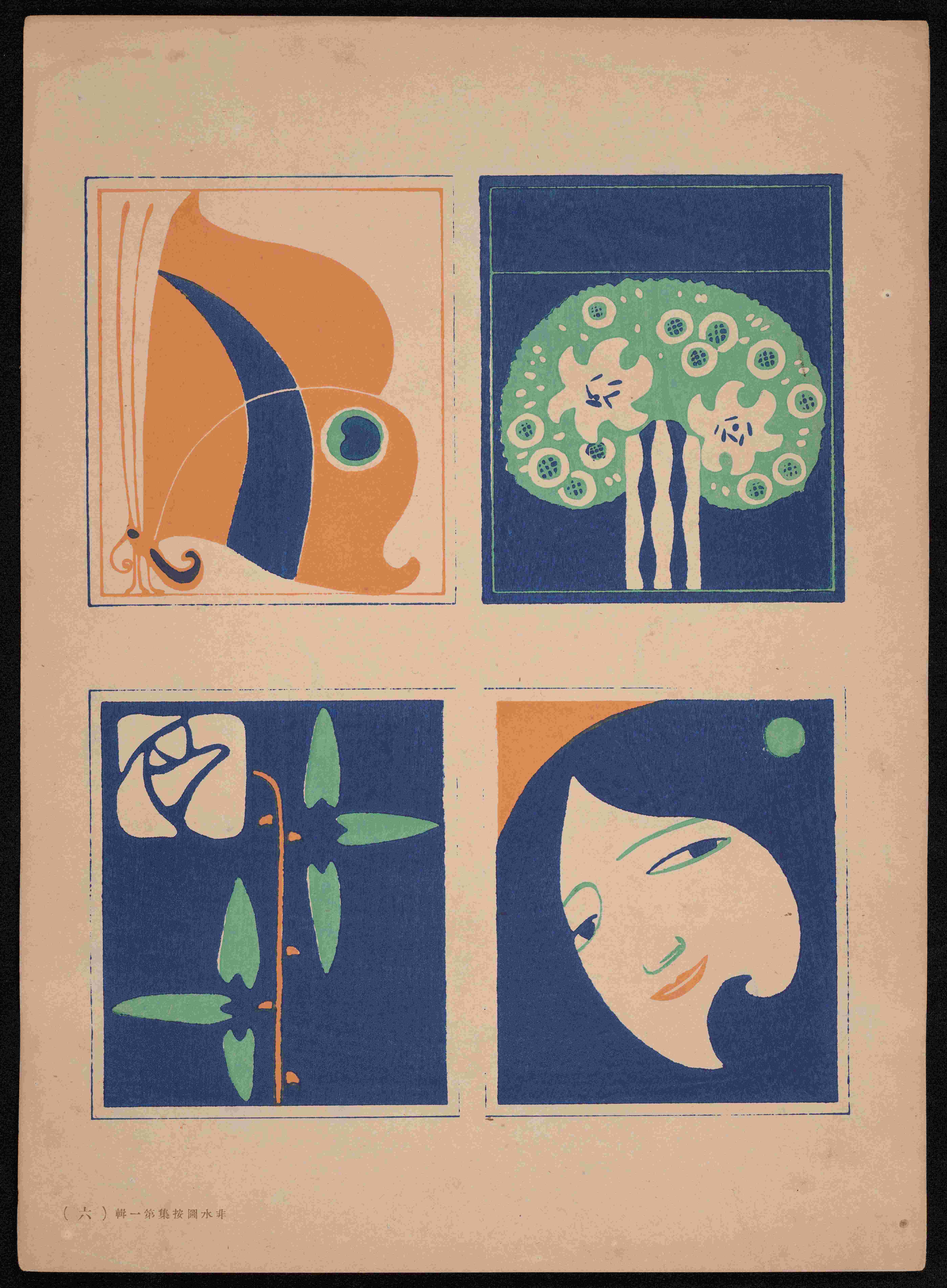
71. Hisui zuanshū [(Sugimura) Hisui's Collected Works of Design] / 非水図按集, 1915
Sugiura Hisui (1876-1965)
50 leaves (portfolio)
Tokyo: Kanao Bun'endō, Taishō 4
杉浦非水 (1876-1965)
五十枚 (ポートフォリオ)
東京: 金尾文淵堂、大正 4年
This portfolio of 50 sheets containing 187 woodblock-printed designs is both a collection of and tribute to the work of Sugiura Hisui—pioneer of modern graphic art. Influenced by Art Nouveau and Art Deco, he is the artist often credited with developing a distinctly Japanese form of commercial art, the origins of which are seen here. He later became a famous tastemaker, designing the advertising for the Mitsukoshi Department Store (1908-1934) and the newly opened Tokyo subway in 1927.

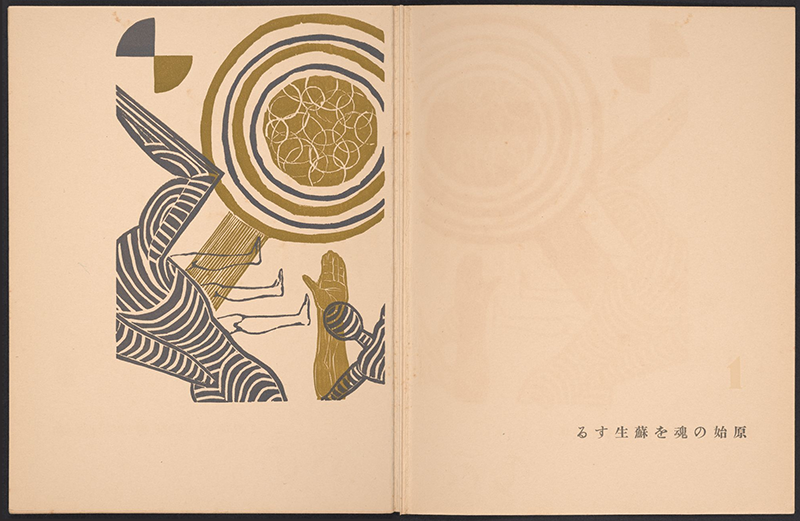
72. Umi no dōwa (Fairytales of the Sea) / 海の童話, 1934
Onchi Kōshirō (1891-1955)
One volume
Tokyo: Hangasō, Shōwa 9
恩地孝四郎 (1891-1955)
一冊
東京: 版畵莊, 昭和9年
One of the founders of the Creative Print Movement at the beginning of the 20th century, Onchi Kōshirō was a revolutionary printmaker, poet, and book designer. This was the first book he designed of his own artwork and poetry. It features fused images of the sea and the female form. Hand-printed by the artist, only 35 copies were published—many of which were decimated to be sold as individual prints.

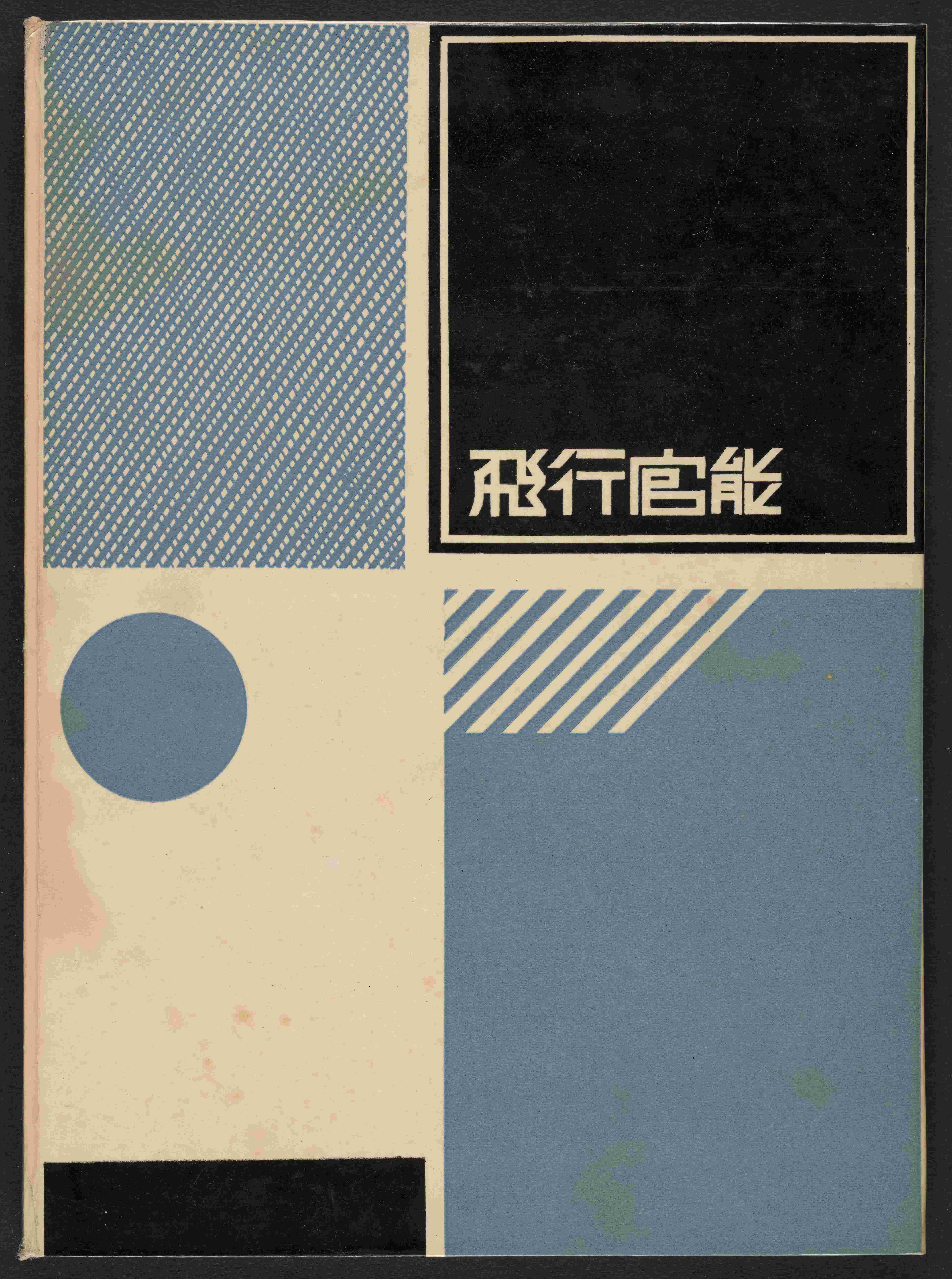
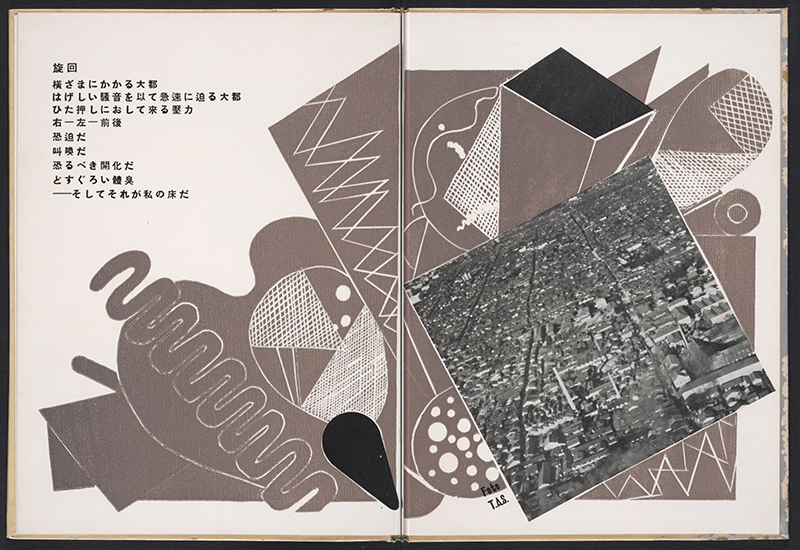
73. Hikō kannō [Sensations of Flight] / 飛行官能, 1934
Onchi Kōshirō (1891-1955)
One volume
Tokyo: Hangasō, Shōwa 9
恩地孝四郎 (1891-1955)
一冊
東京: 版畵莊, 昭和 9年
In this book—an artistic response to his first airplane flight—master designer and leading Creative Print Movement artist Onchi Kōshirō, displays his many talents. The illustrations, influenced by Russian Constructivist and Bauhaus artists, are collages of print-making, photography, and typography (used to create the text of his own poetry). The volume’s striking cover was also designed by the artist, who made a living as a book designer in his early years.

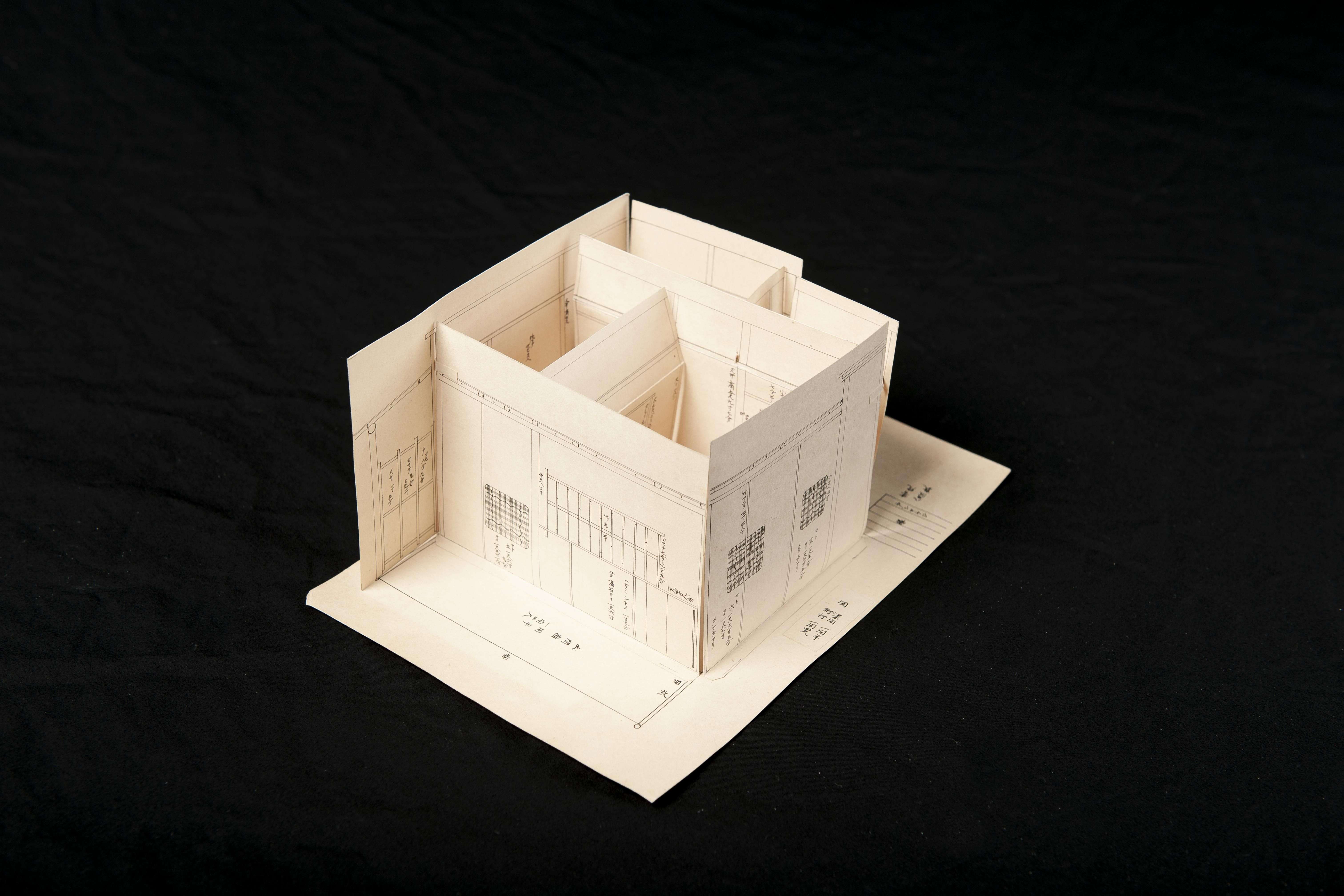
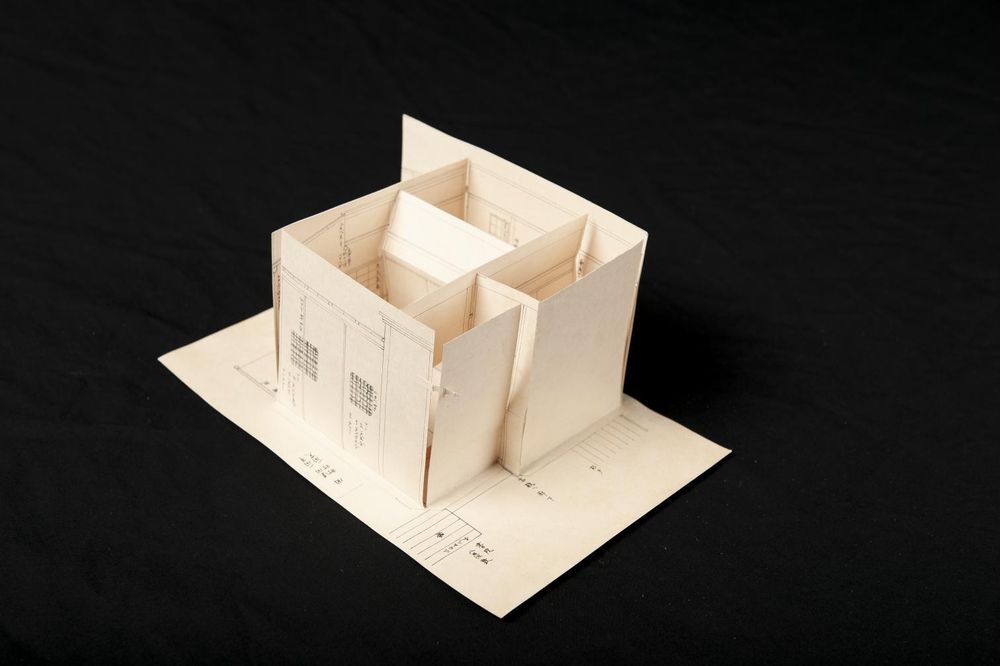
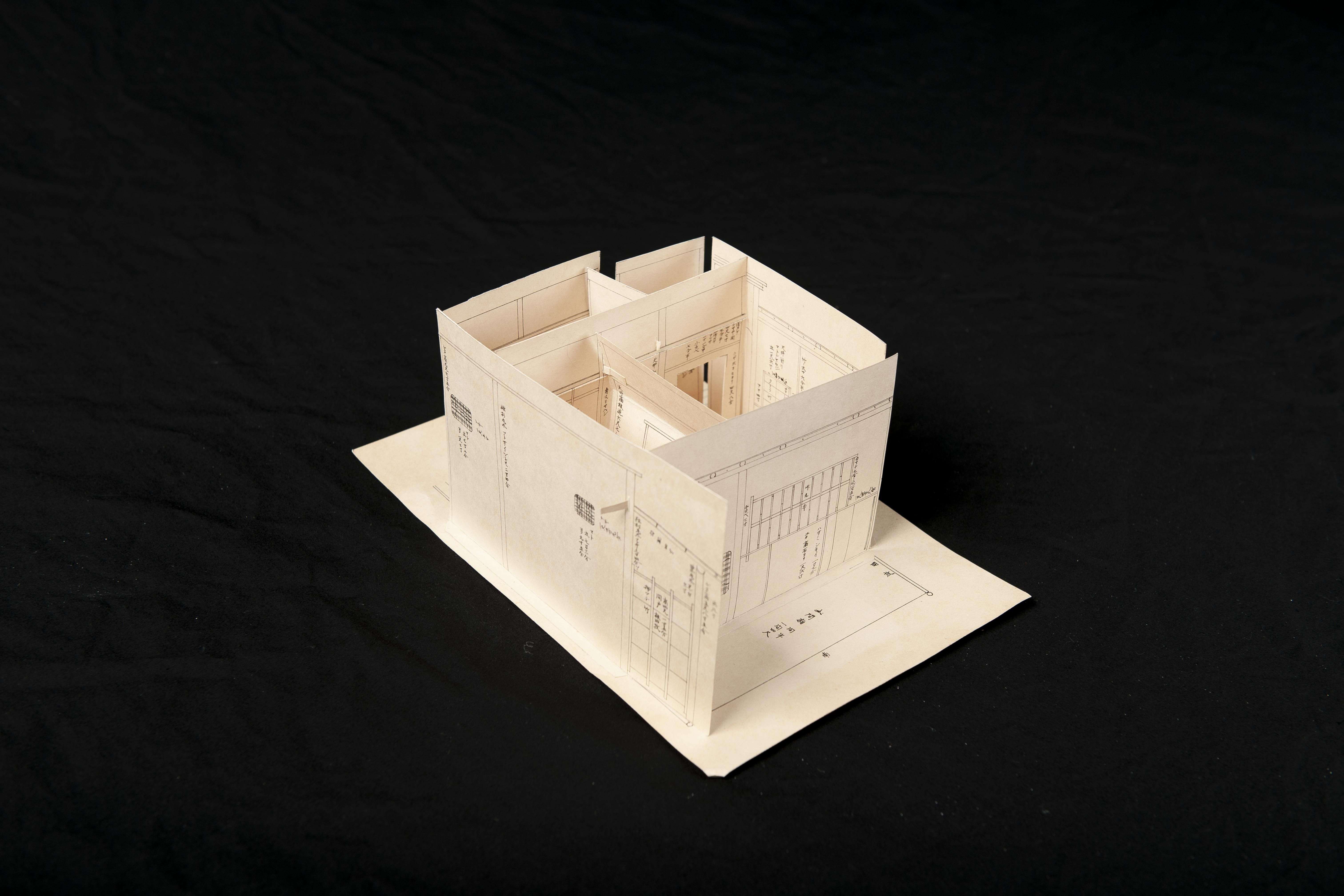
74. Chaseki okoshiezu mokuroku [Folded-drawing Tea Houses/ “Pop-up Tea Houses”] / 茶席起繪圖目録, early 20th century
Sakata Sakujirō (?)
90 folded-drawings
[Nara?]: Sakata Sakujirō
坂田作次郎 (?)
前・後編全九十図
[奈良?]: 坂田作次郎
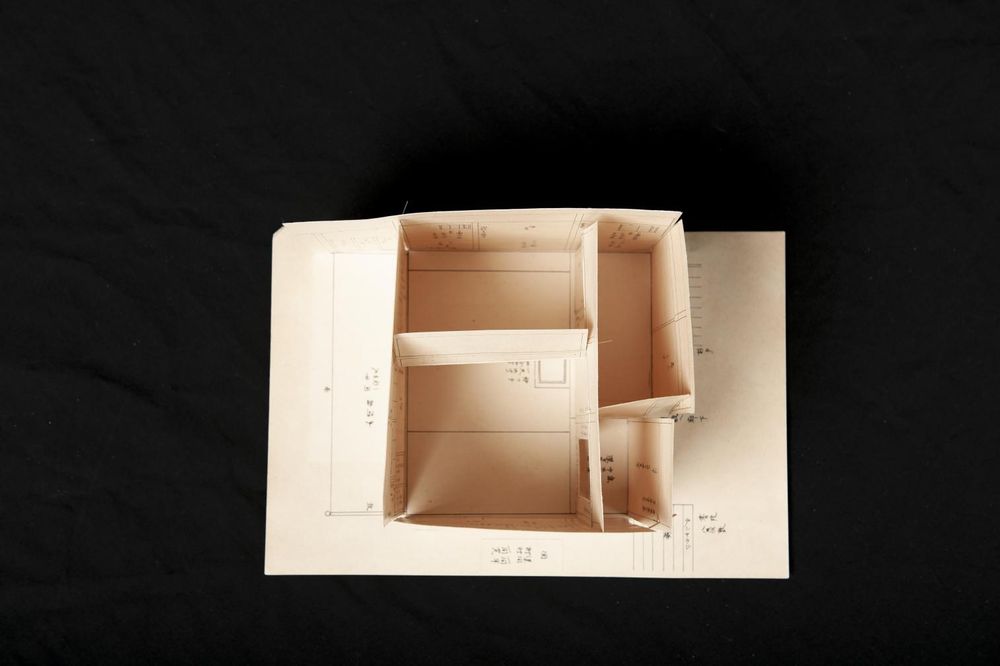
Little is known about the history of these pop-up paper models of famous tea houses designed by the great tea masters of the 16th–19th centuries. Scholars have suggested they were originally made by builders to share ideas with clients or, noting the inscribed details of elevation, created to transmit their designs to future generations of their family workshops. Whatever their origin, by the late 19th century, sets of pop-up models like this one were made and sold by tea utensil dealers as collectibles for tea aficionados.