The Post-War Years to 1960
Japan’s unconditional surrender to the Allied Powers after the bombings of Hiroshima and Nagasaki ended the war for the Japanese in 1945. The subsequent occupation by American forces led to a dramatic social transformation of the country. Art in the form of illustrated books took many forms as pre-war avant-garde art groups, outlawed during the war, were re-established. New groups appeared, many of whom began to question both government and social institutions. Artists soon began to take control of many publications, often self-publishing books and magazines.
From this post-war period onward, Japanese art was exported worldwide through illustrated books and serials. The published documentation of artwork, photography, and even performance art allowed Japanese artists to become more vocal participants in global conversations about art in the modern era.

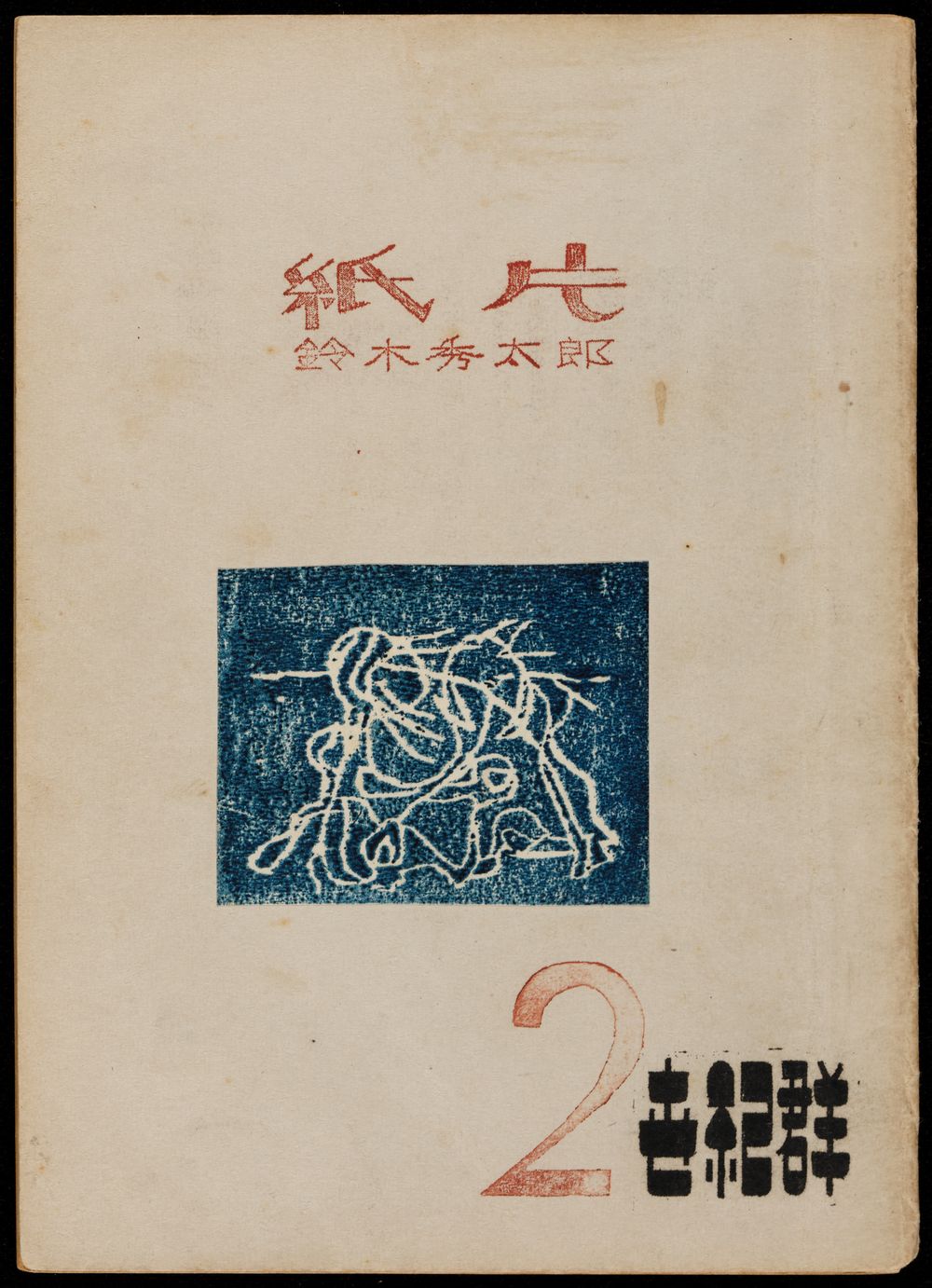
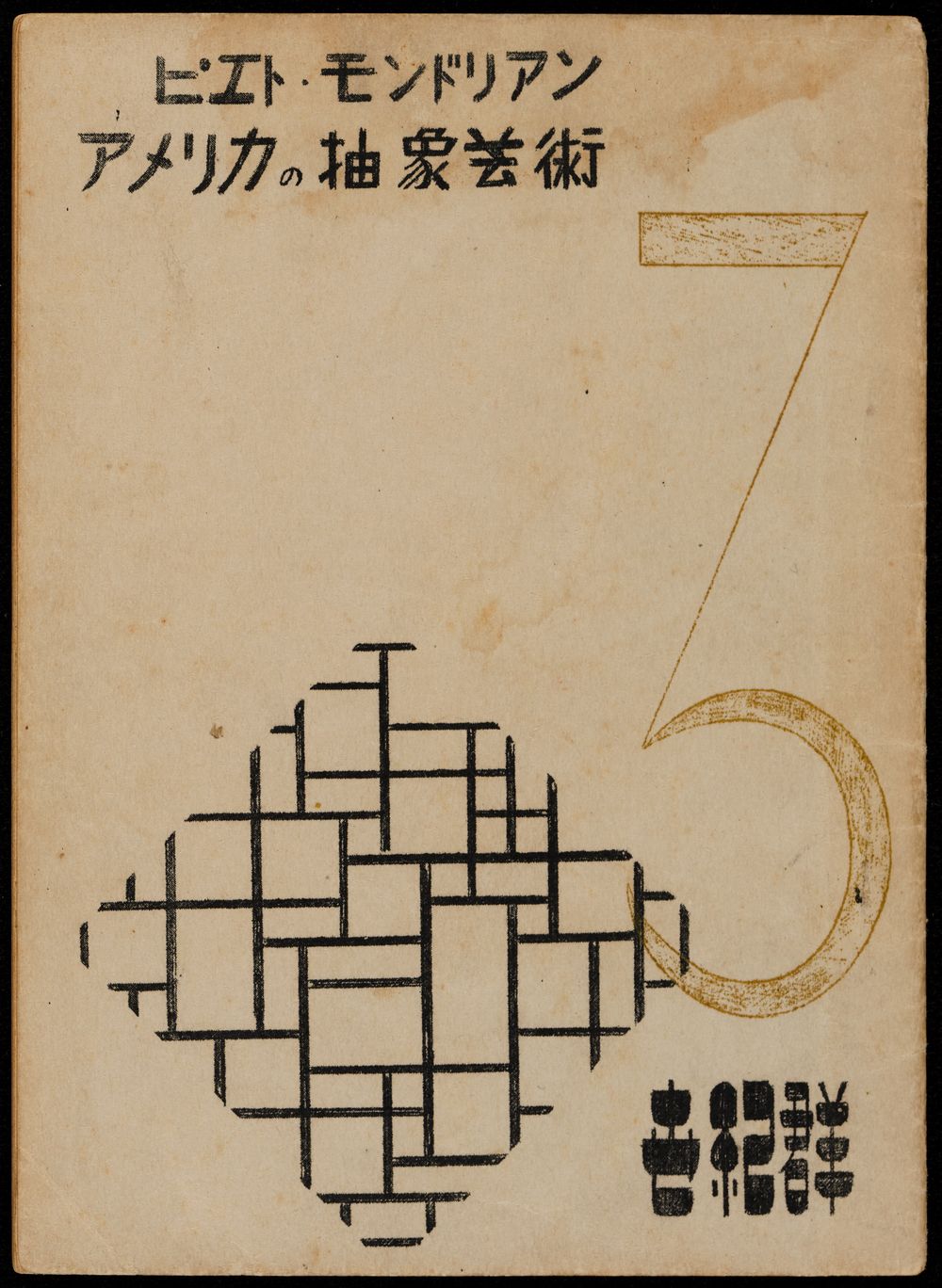
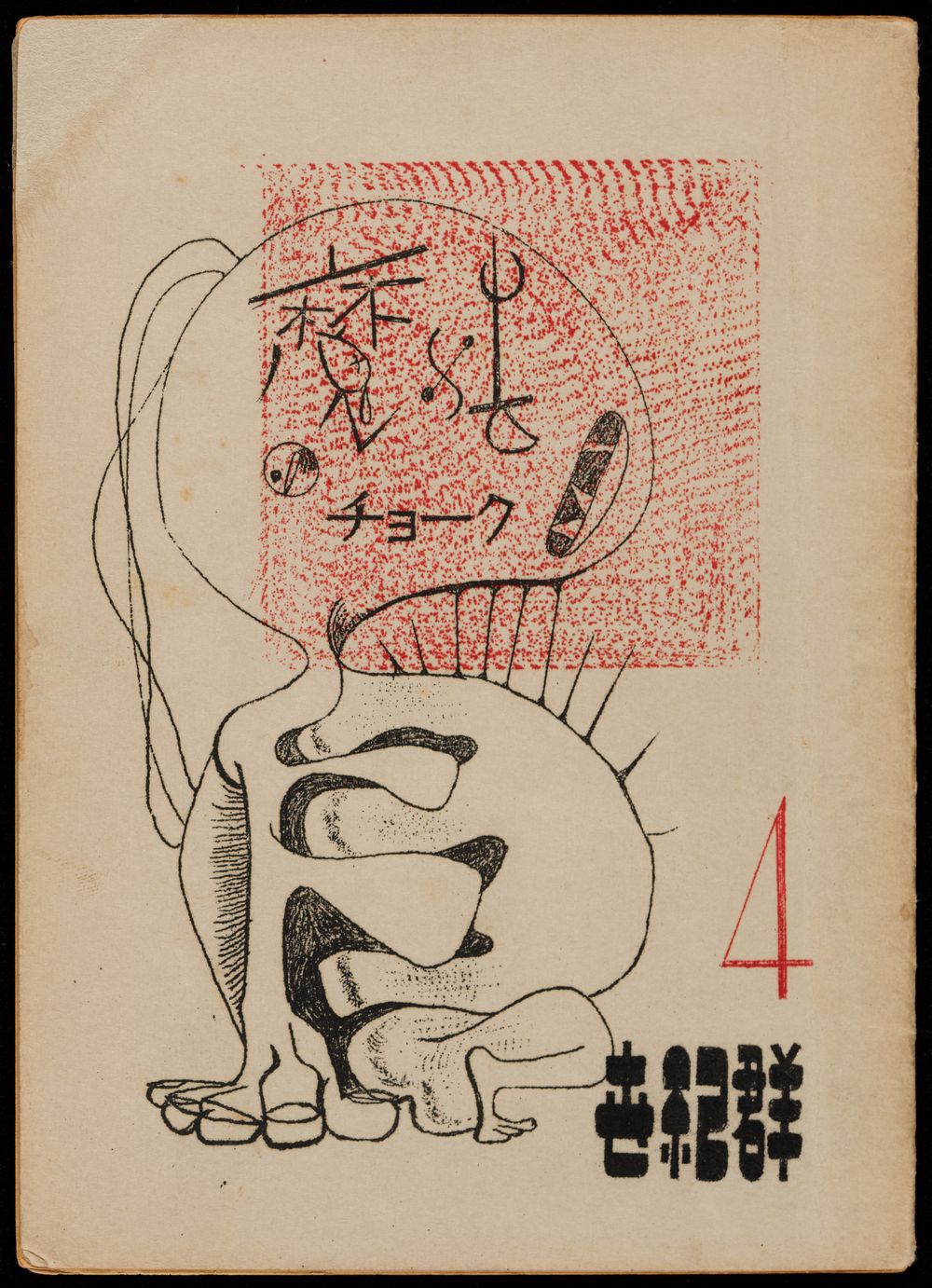
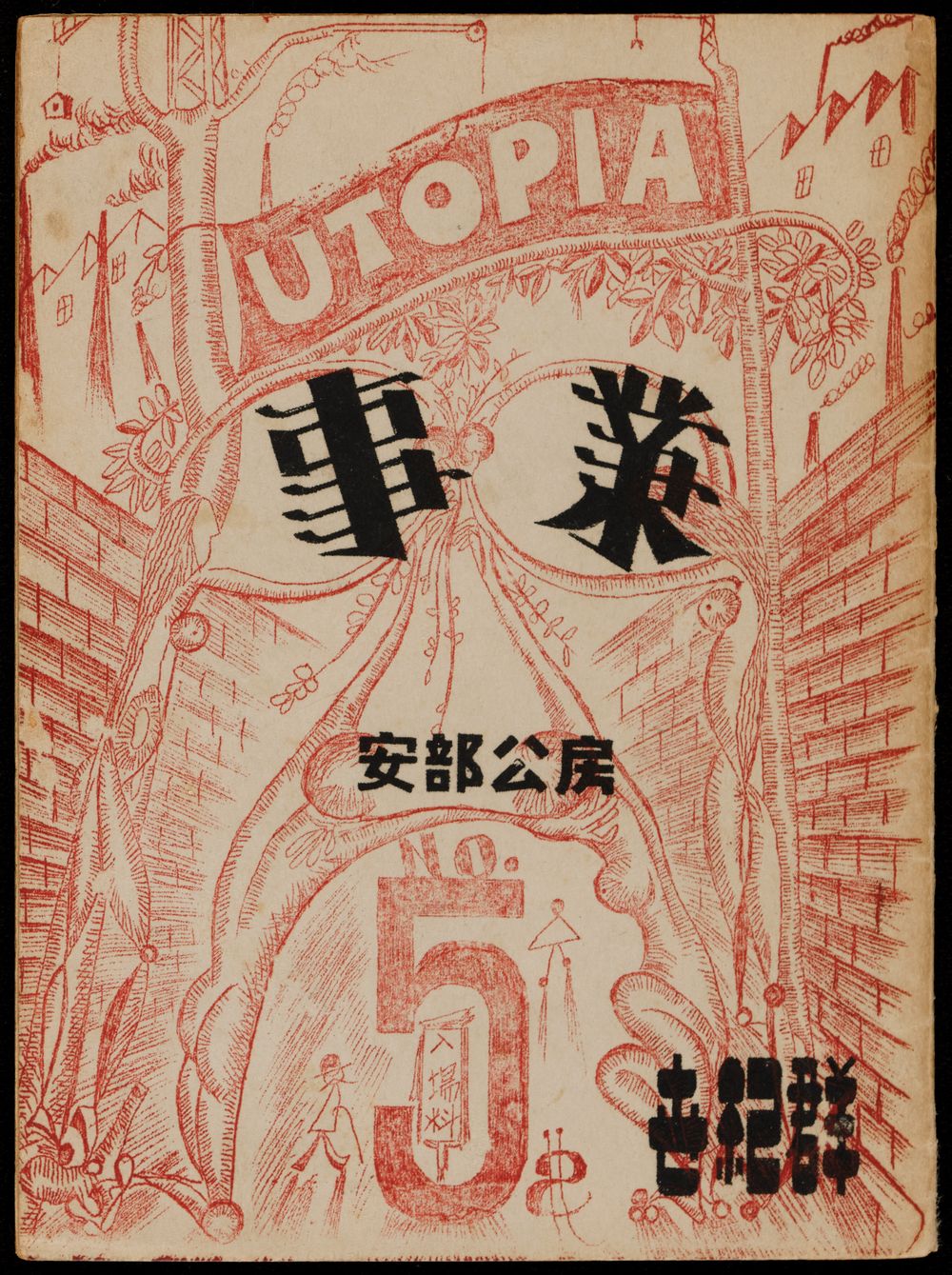
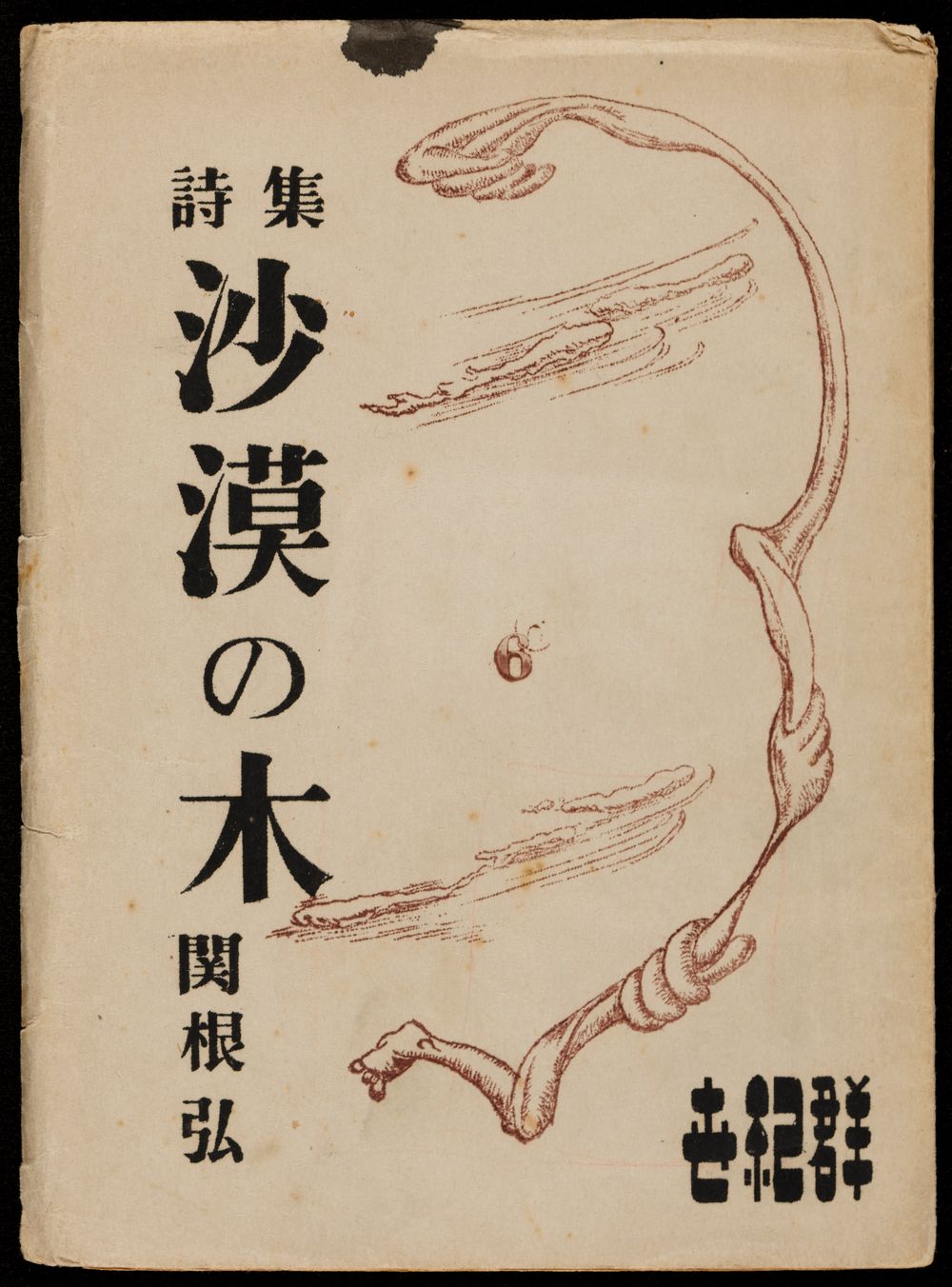
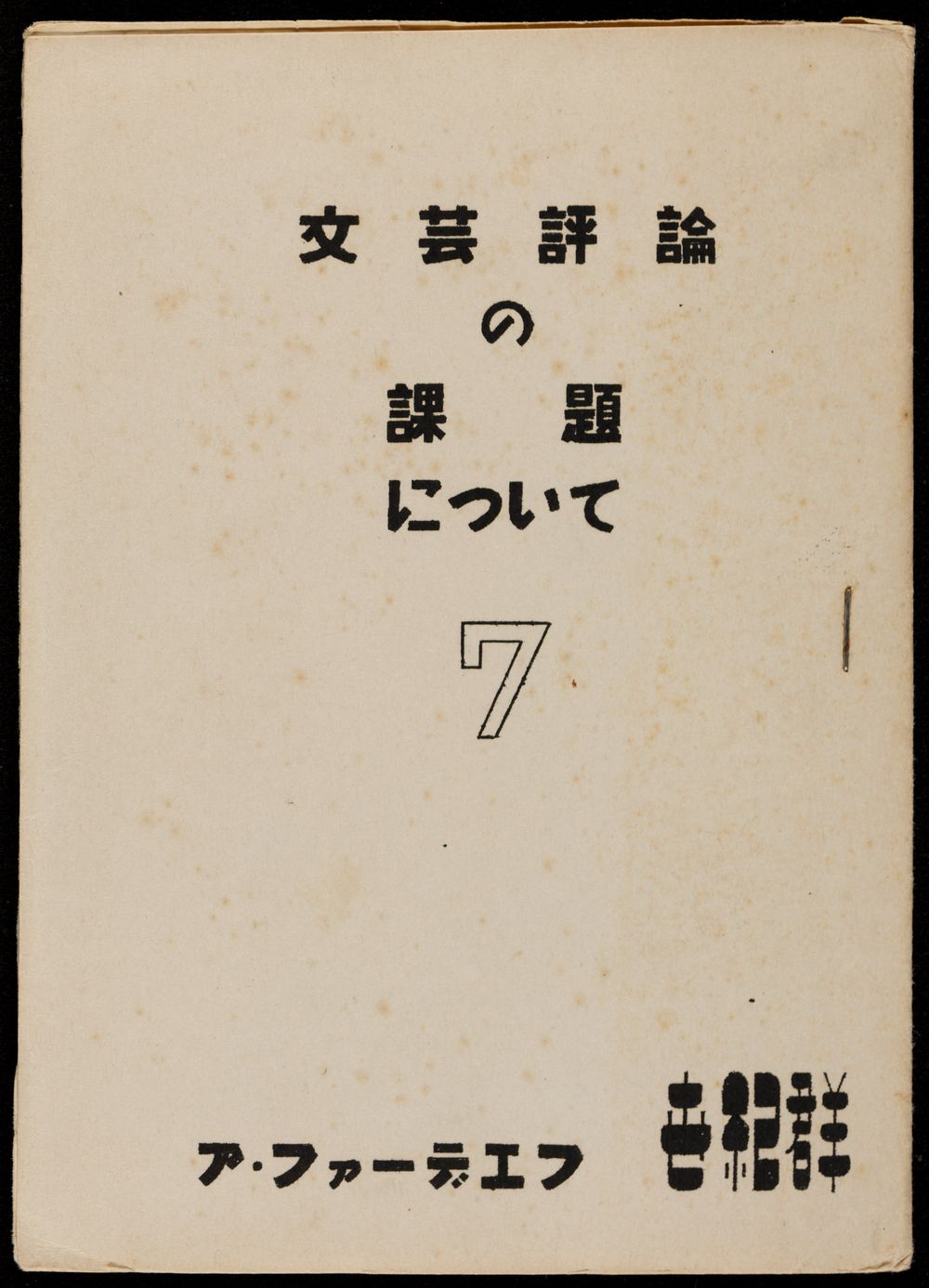
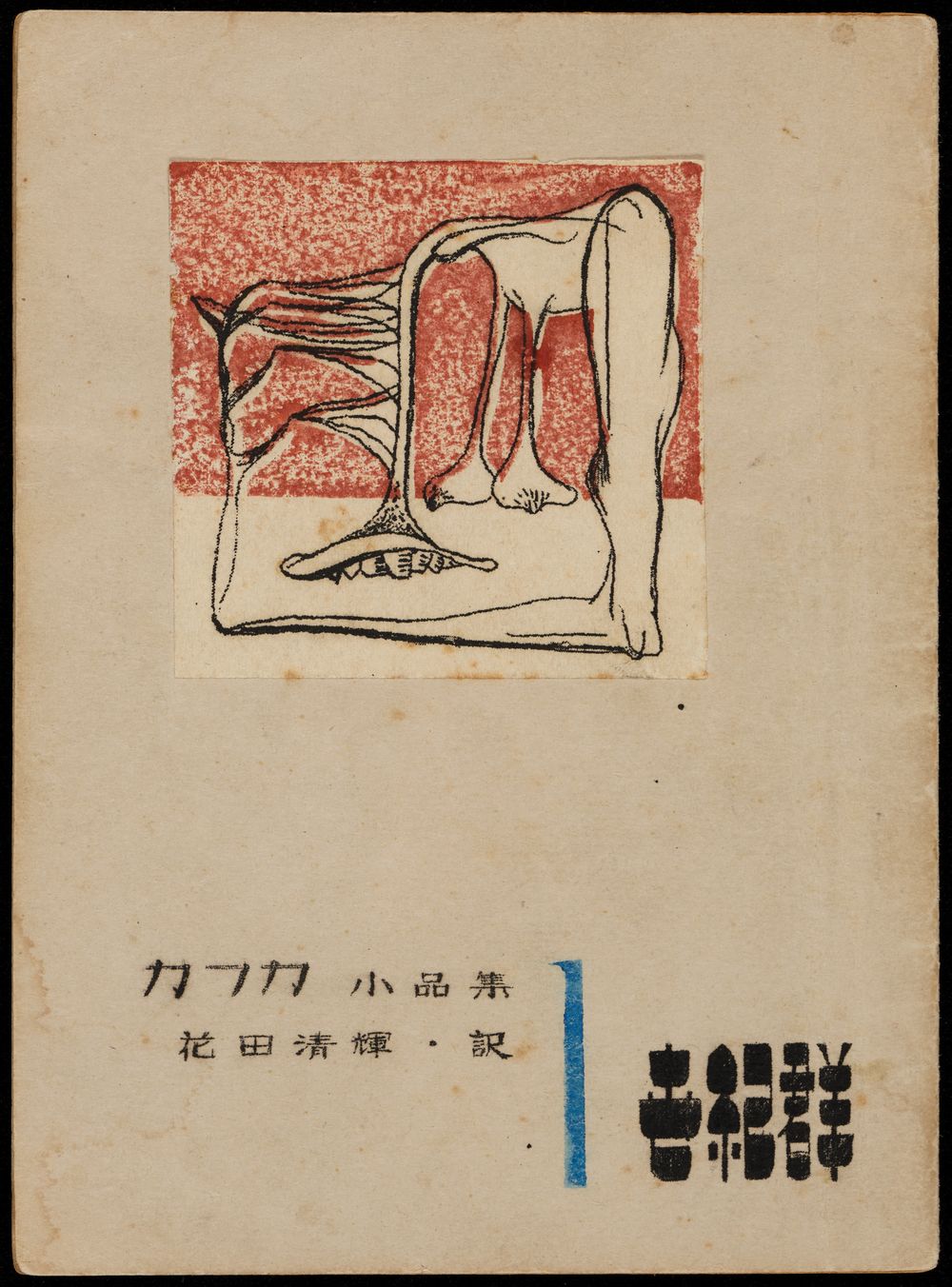
81-82. Seikigun / 世紀群, 1949-1950
Seiki no Kai (Century Association–various artists/authors)
Seven pamphlets
Tokyo: Publisher not identified, Shōwa 24-25
世紀の会 (様々なアーティスト/著者)
七小冊子
東京:出版者不詳、昭和24-25年
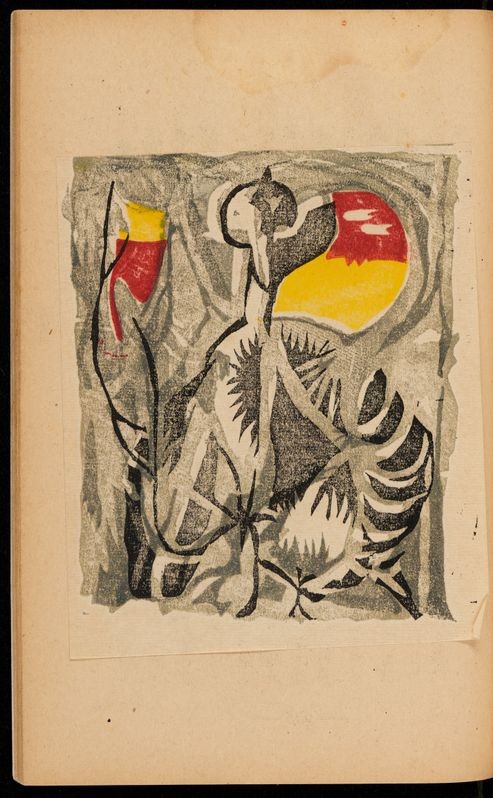
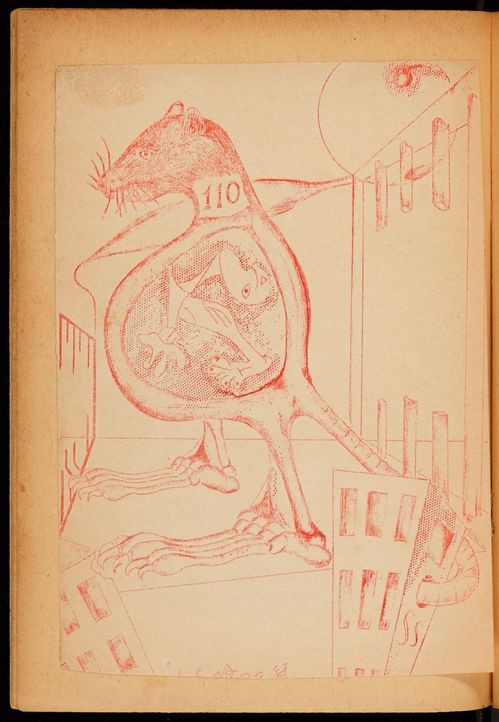
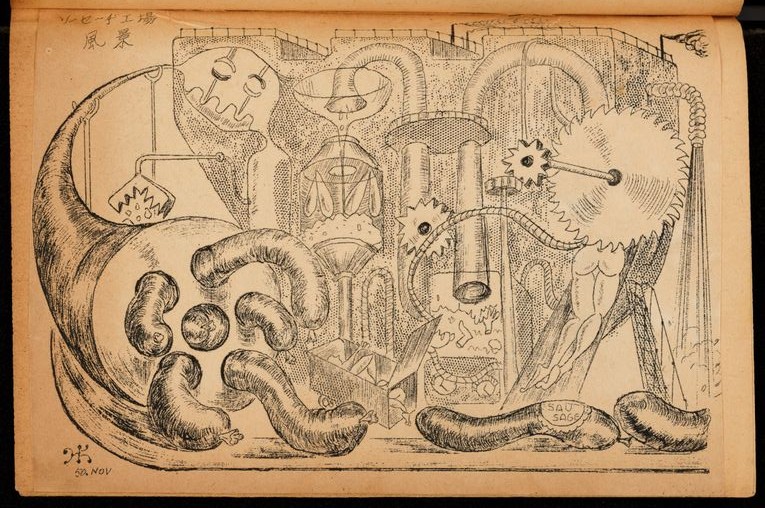
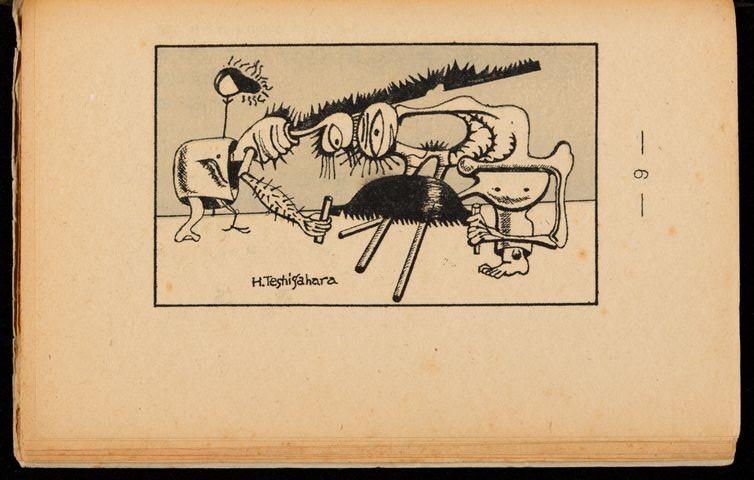
Self-published (mimeographed) by the artist-writer organization Seiki no Kai around 1950, these eclectic pamphlets were created as experiments in ‘synthetic art’ (sōgō geijutsu 総合芸術), which they defined as the merging of visual art and literature to create new forms of expression. Kōbō Abe, author of Woman in the Dunes and Teshigahara Hiroshi, director of the book’s academy award-nominated film, were founding members. Published to inspire political discussions regarding Japan’s role in World War II, these pamphlets captured the artistic mood of the post-war period.
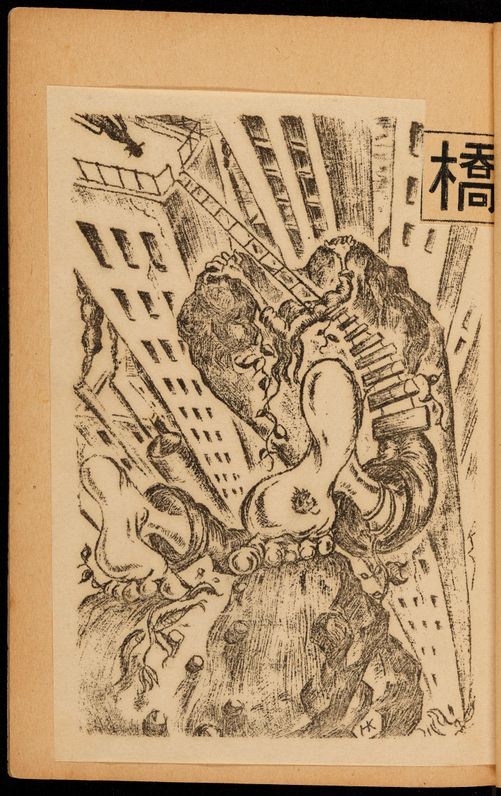
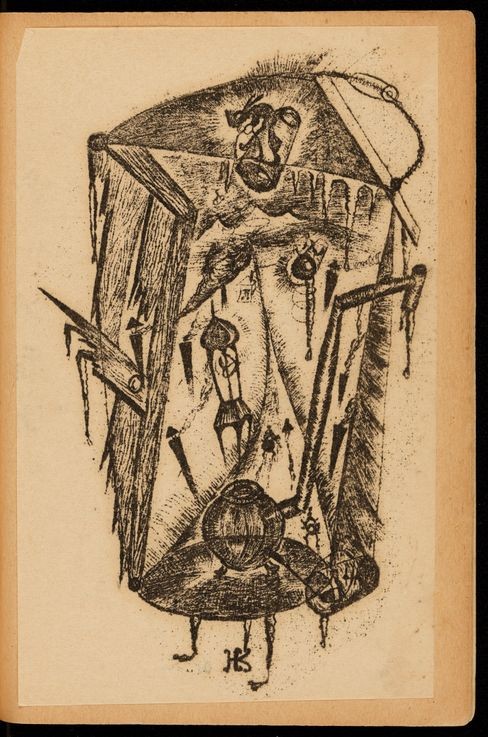
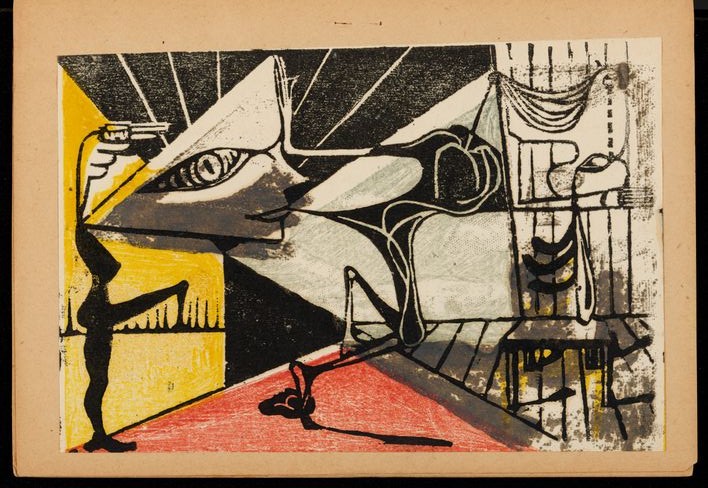

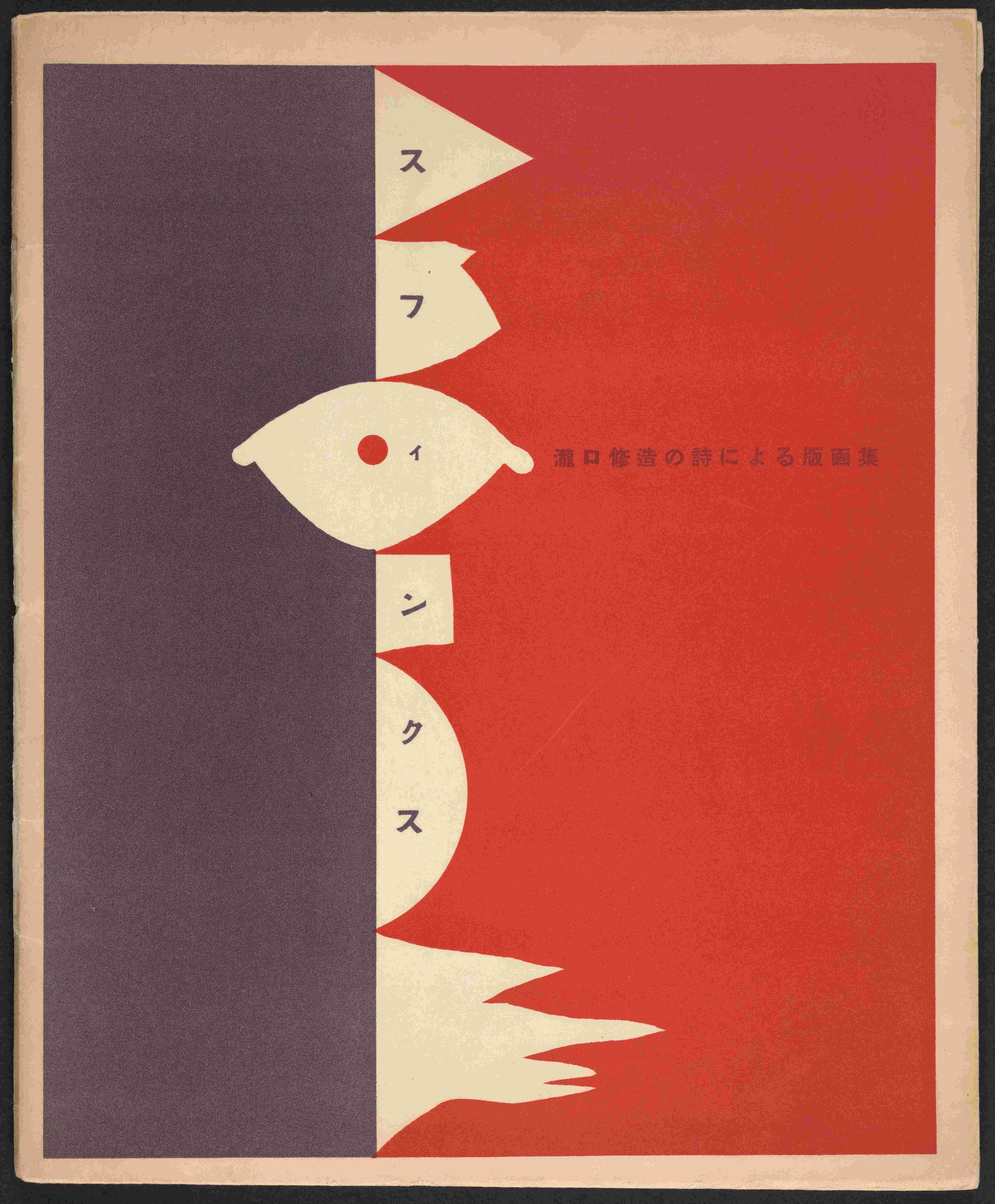
83. Sufinkusu [Sphinx] / スフィンクス, circa 1954
Takiguchi Shūzō (1903-1979), poet and artist; Uchima Toshiko (1918-2000) and Various Artists
One volume
Tokyo: Publisher not identified, circa Shōwa 29
瀧口 修造 (1903-1979), 詩人とアーティスト; 内間俊子 (1918-2000)と様々なアーティスト-スフィンクス
一冊
東京: 出版者不詳, 昭和 29年頃
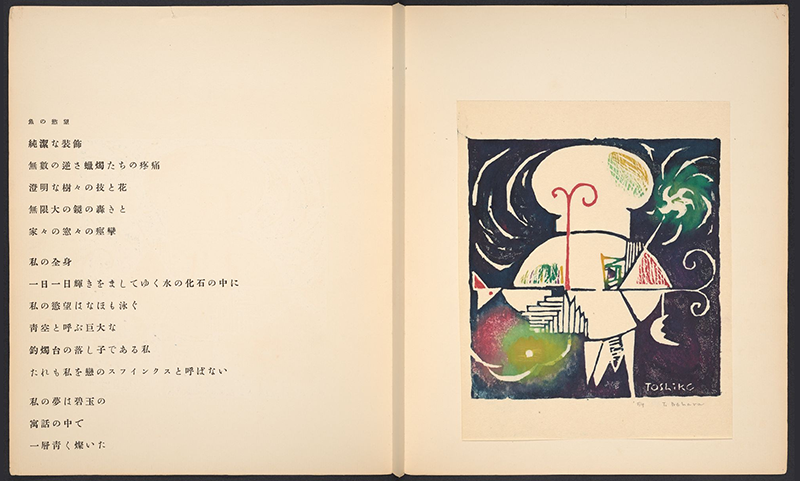
In this celebration of surrealist poet, art critic, and artist, Takiguchi Shūzō, his poems are paired with prints by a number of different contemporary artists. It includes this abstract image by the artist Uchima Toshiko, the first woman to join the prestigious Demokurāto (Democratic Artists Association) in the early 1950s. The print is an illustration of the poem written here to the left, Sakana no yokubō (The Desire of Fish 魚の欲望). The cover for this portfolio, was designed by Yamashiro Ryūichi (1920-1992).

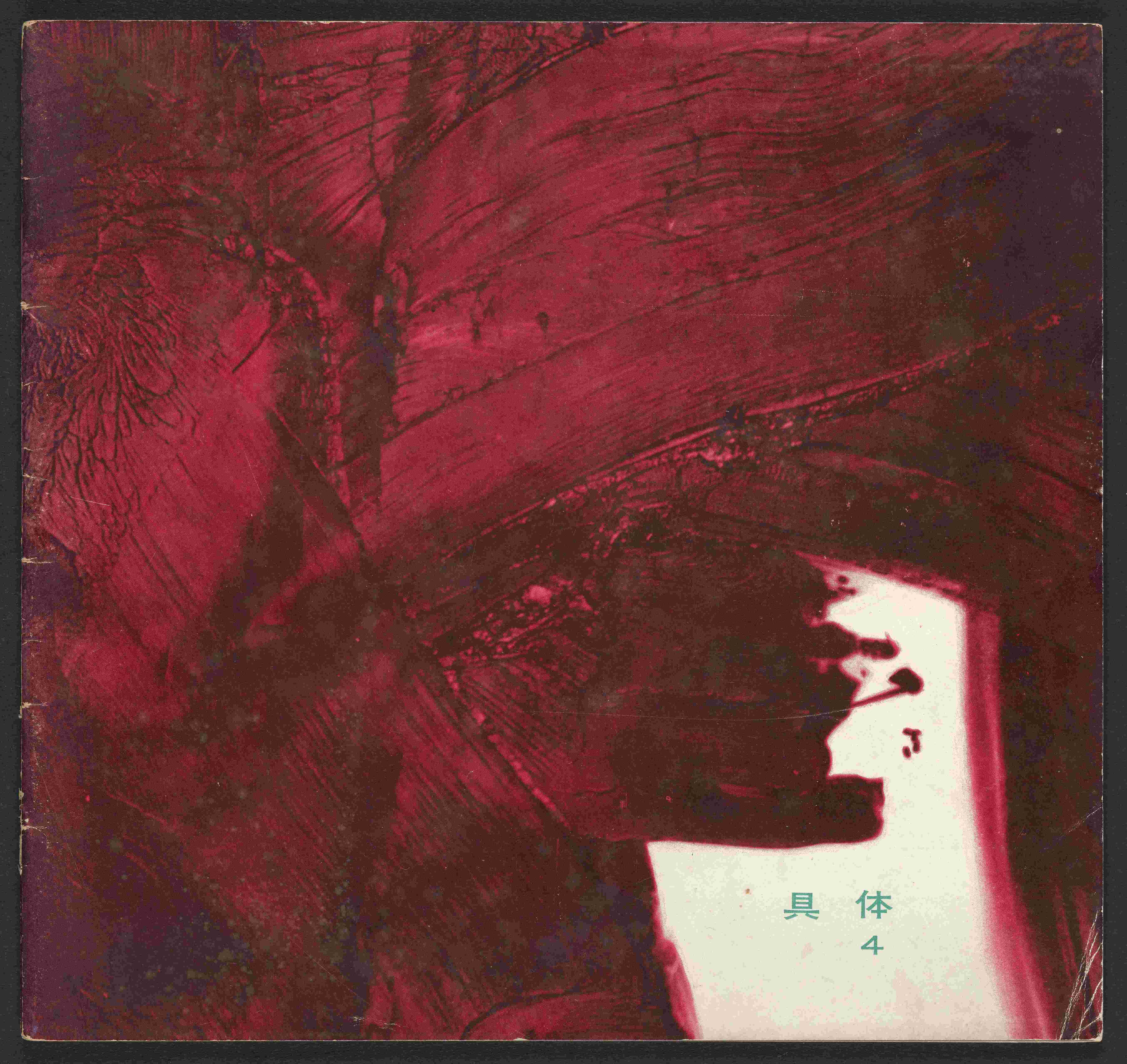
84. Gutai [Concrete/Embodiment] / 具体, 1955-1965
Yoshihara Jirō (1905-1972); Shimamoto Shōzō (1928-2013) et. al.
Serial publication (July, 1956; September, 1957; October, 1965)
Nishinomiya-shi : Gutai Bijutsu Kyōkai, Shōwa 30-40
吉原治良 (1905-1972); 嶋本昭三 (1928-2013) 他
逐次刊行物 (7月, 1956; 9月,1957; 10月, 1965)
西宮市: 具体美術協会, 昭和30-昭和40
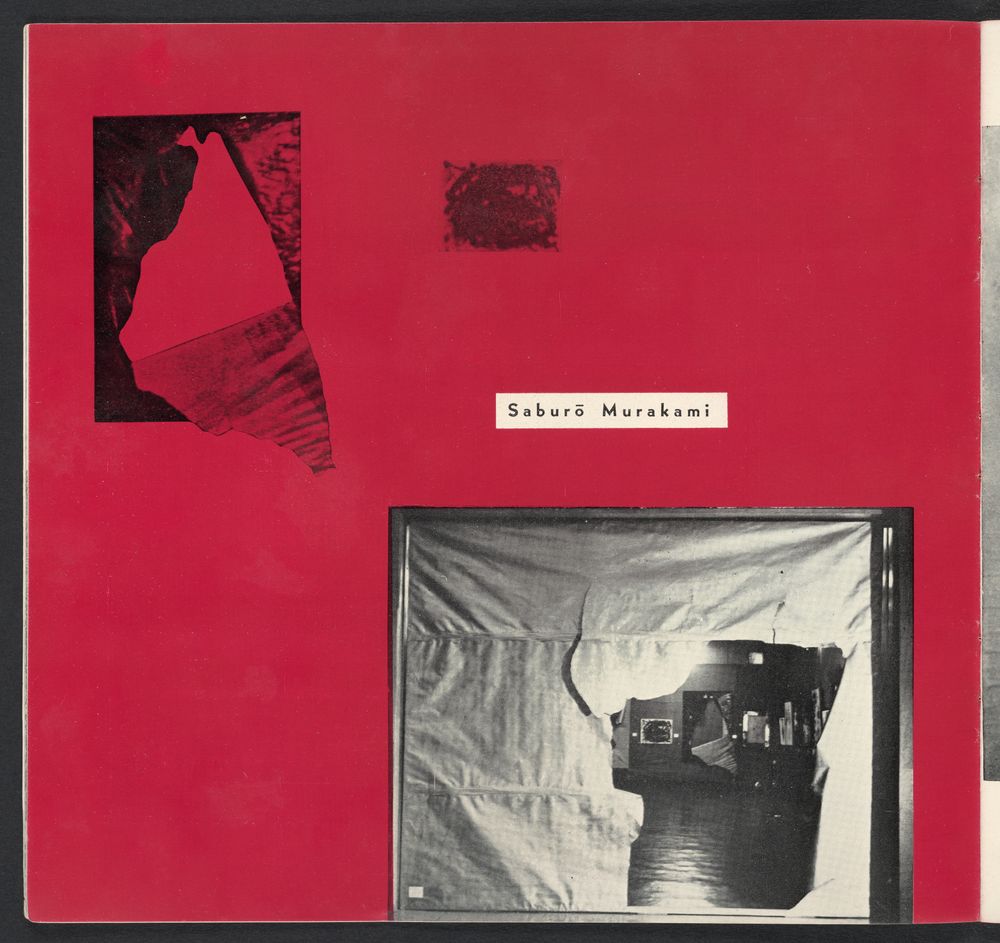
Founded in 1954 by Yoshihara Jirō (1905-1972), Gutai (具体) was a radical avant-garde art group whose exploration of conceptual and experimental interactive works anticipated performance art of the 1960s and 1970s by over a decade. Their work significantly influenced Fluxus, the legendary international avant-garde collective. This magazine was an important aspect of the promotion and documentation of their work, both physical and performative. Issue #4 seen here, for example, is the catalog for the first Gutai art exhibition held in Tokyo 1955. The cover was designed by Yoshida Toshio (1928-1997).