Student Debate Clubs

Founded around 1765 at the College of New Jersey, the Plain-Dealing Club (later the American Whig Society) and the Well-Meaning Club (later the Cliosophic Society) were among the earliest collegiate literary and debating societies in America.
Their names reflected Enlightenment ideals: Whig honored William Livingston’s American Whig essays, while Clio likely derived from William Paterson’s phrase “Cliosophic,” meaning "in praise of wisdom."

Secret Societies
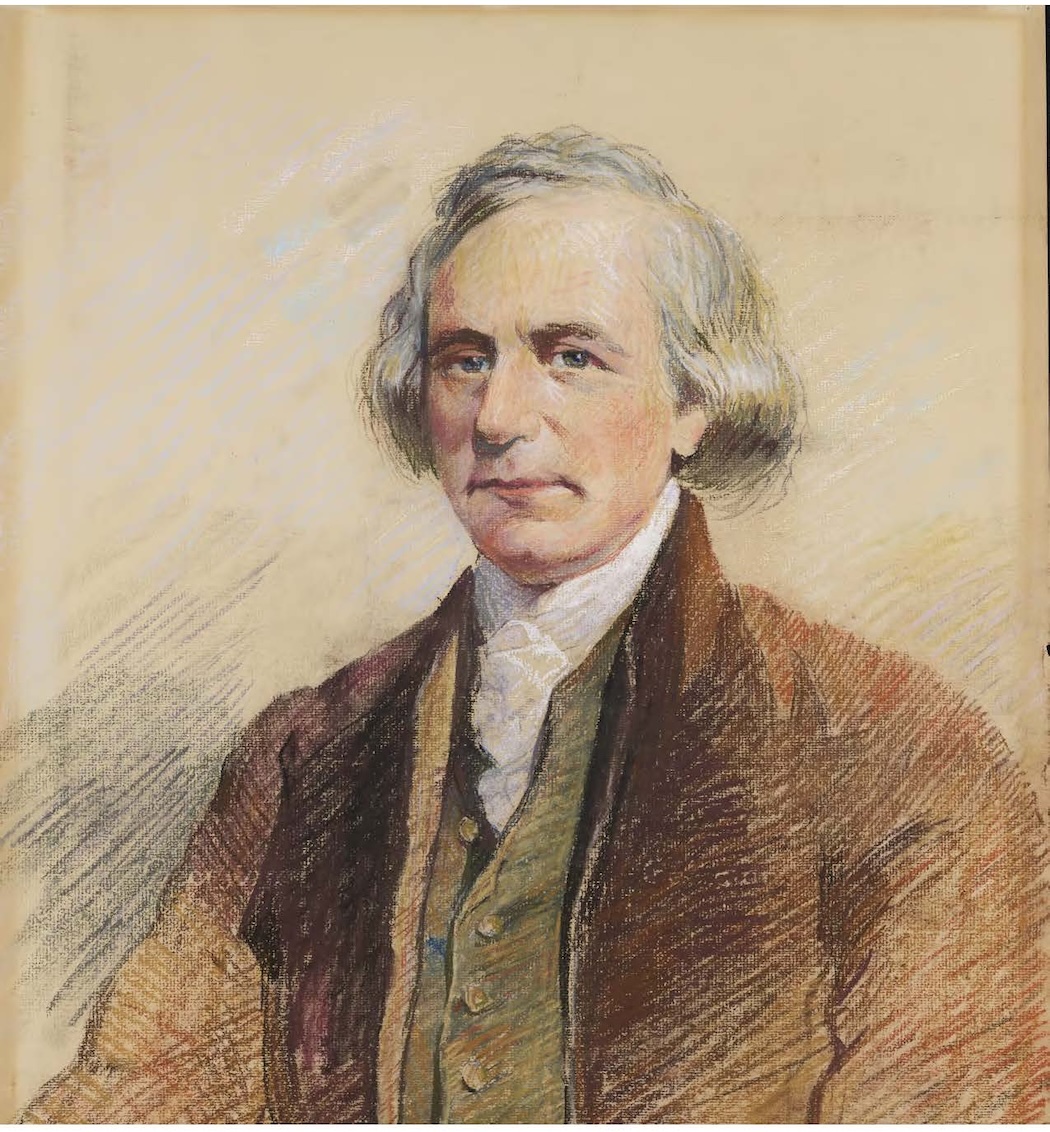
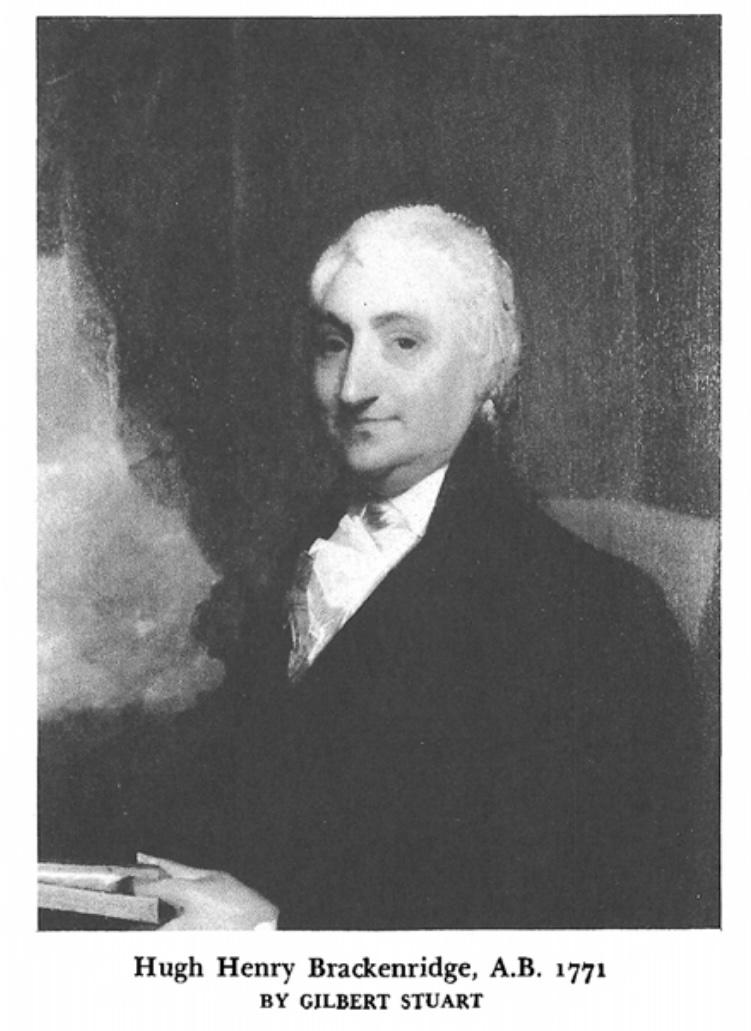
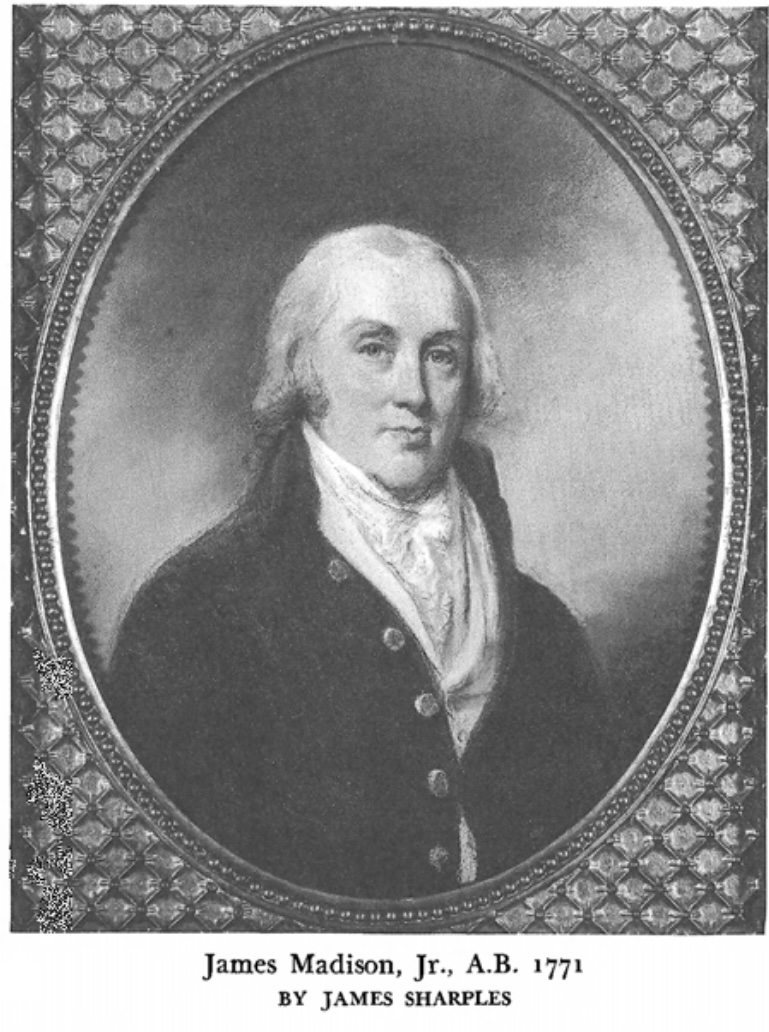
The College dissolved both in 1769 due to growing rivalry, but students Philip Morin Freneau ’1771, Hugh Henry Brackenridge ’1771 *1774, James Madison ’1771 *1774, and alum William Paterson ’1763, a college trustee and future New Jersey governor, soon revived them.
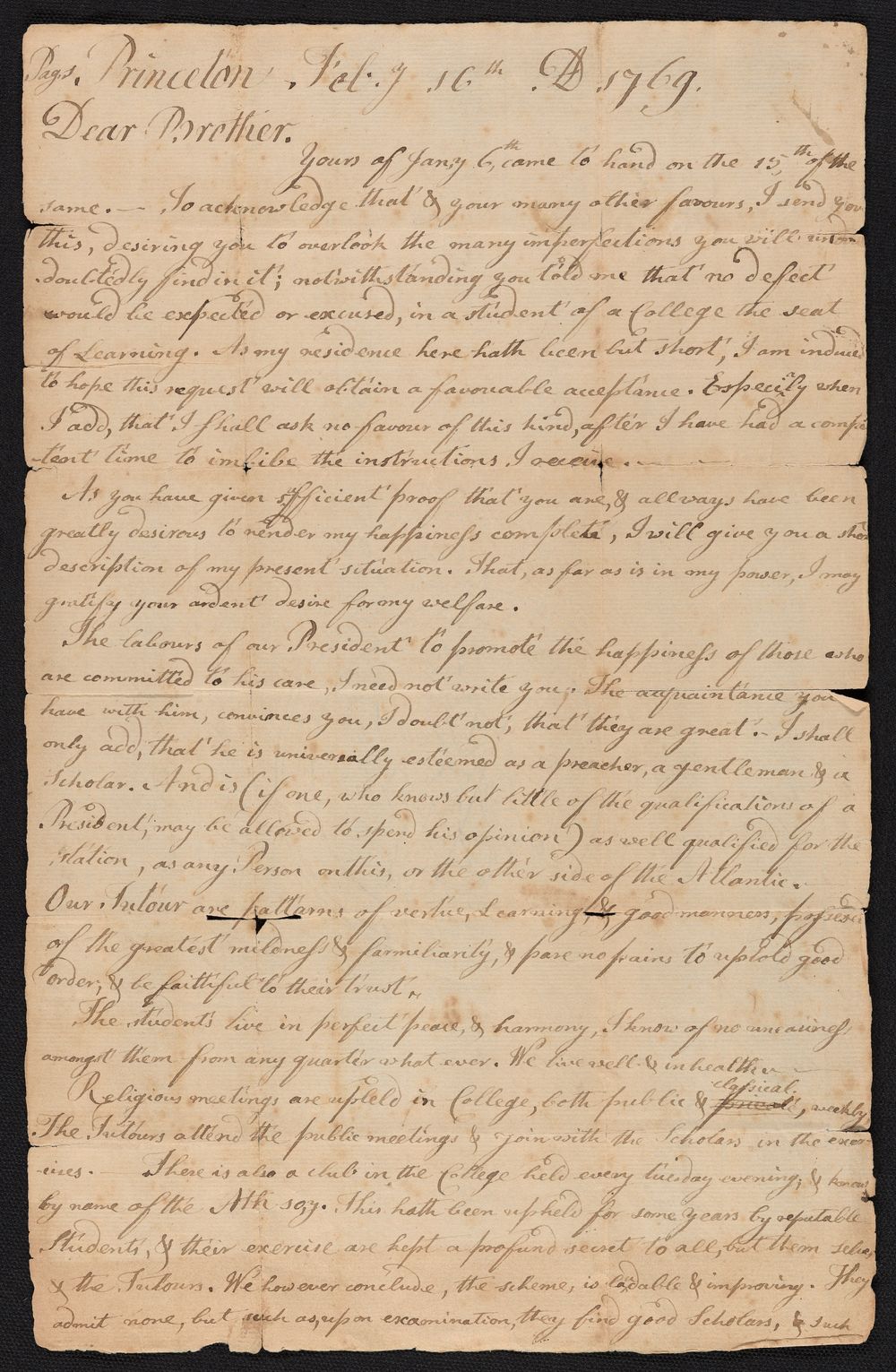
Moses Allen letter to his brother Thomas Allen, Febrauray 16, 1769
Moses Allen ’1772 (1748-1779)
Student Correspondence and Writings Collection
Moses Allen ’1772 wrote home to his brother Thomas describing campus life under President John Witherspoon, praising the “peace & harmony” among students and the President’s reputation as “universally esteemed.”
Notably, he mentions “there is also a club in the College held every Tuesday evening… [whose] exercises are kept a profound secret,” one of the earliest references to the American Whig Society.

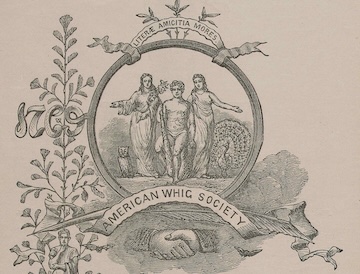
The Plain-Dealing Club (American Whig Society)
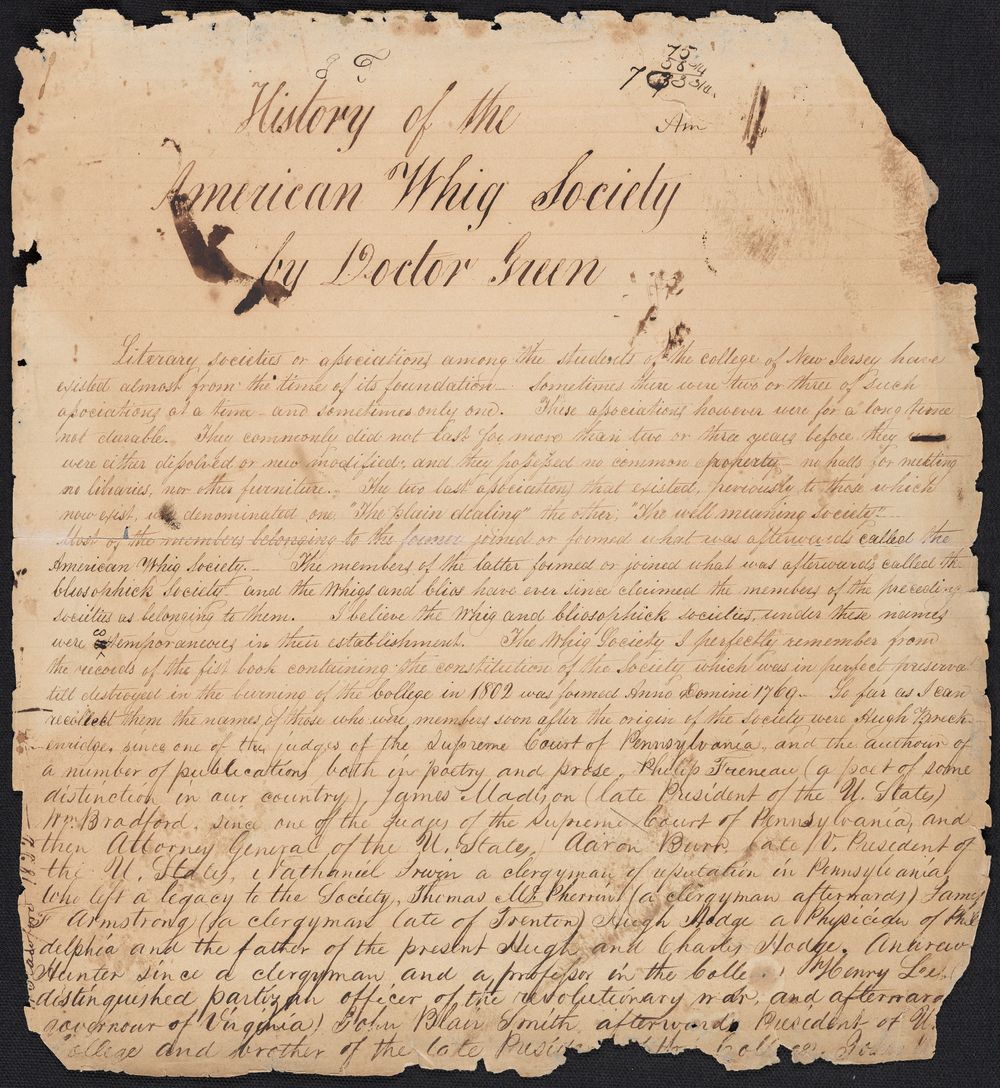
Ashbel Green ’1783 *1785, Annual History, 1766-1789
American Whig Society Records
The American Whig Society was formally reestablished on June 24, 1769.
In handwritten letters by Ashbel Green ’1783 *1785 include his recollection of how the American Whig Society came to be.
As most of Princeton’s early records were lost in an 1802 fire, this remains one of the few surviving firsthand sources about the Society’s origins. It provides valuable insight into early student political life at the College and the impact of the Revolution, writing that the holes “made by the cannon bullets in the battle of Princeton were still open in several parts of the edifice” of Nassau Hall when students returned.

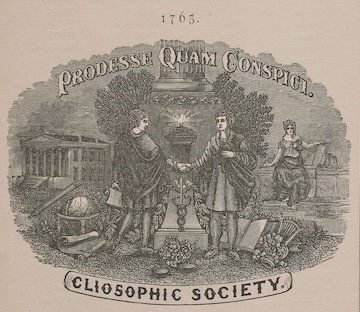
The Well-Meaning Club (later the Clisophic Society)
The Cliosophic Society formerly reestablished on June 7, 1770.
These societies became influential centers of political thought, producing many leaders of the American Revolution and engaging in spirited literary rivalries such as the famed “Paper War of 1771”. An exchange of satirical essays and poems that sharpened students’ rhetorical and political skills. Together, Whig and Clio helped shape many leaders of the American Revolution and left a lasting impact on American intellectual life.
"...when the distinguished Tories, the potent, the auguste, the splendid, royal Sons of the Morning fall!"
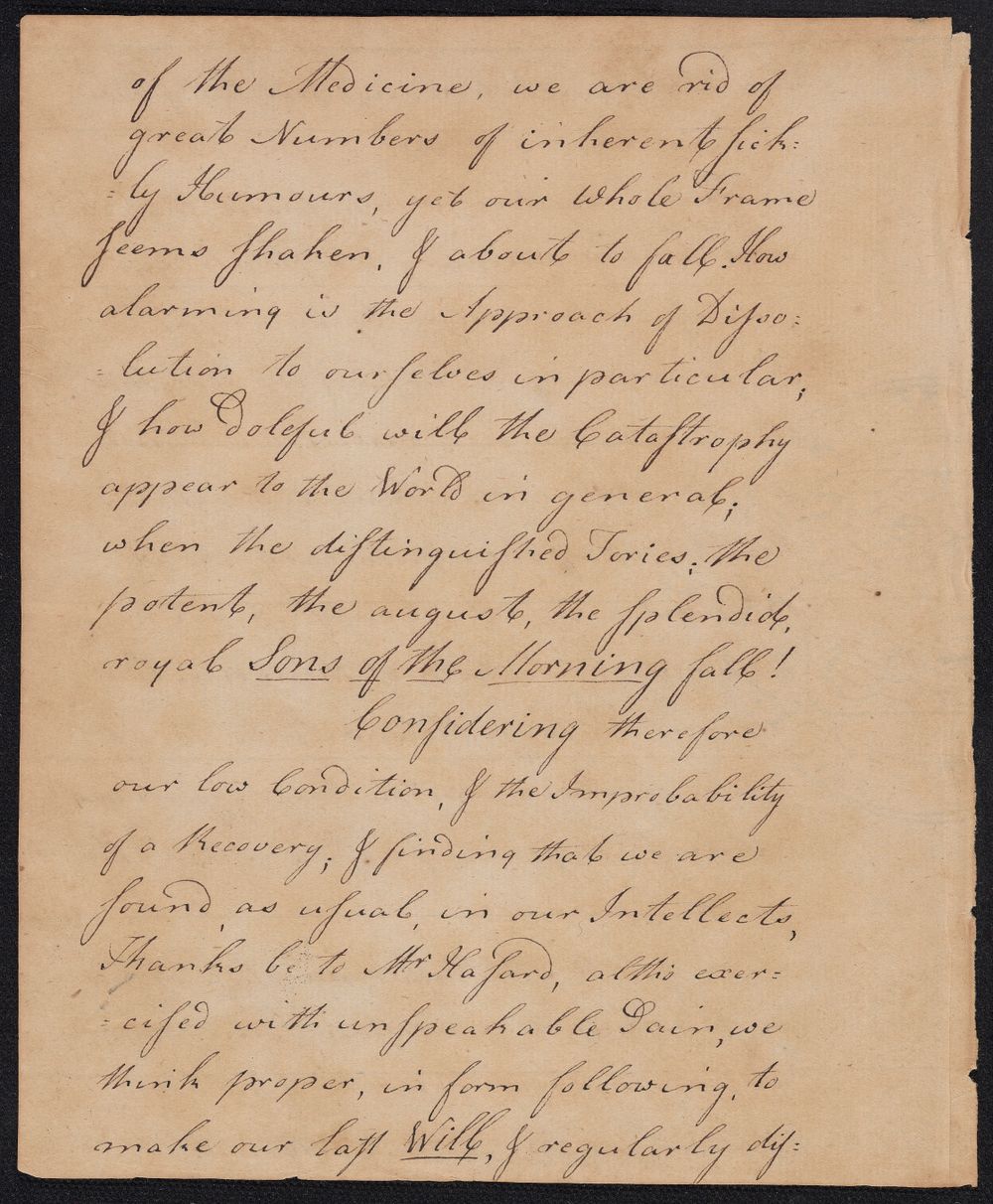
The "Paper War" of 1771
Philip Vickers Fithian ’1772 (1747-1776)
Journals and Commonplace Books, 1766-1776
General Manuscripts [Bound] Collection
The 1771 “Paper War” began when a Whig accused a Cliosophic member of plagiarism, sparking an exchange of satirical essays, poems, and stories by students from both societies.
Circulating in handwritten journals and papers during the spring and summer of 1771, the controversy briefly animated campus life but left a lasting imprint on student culture.
One example, Philip Fithian ’1772’s Cliosophian Club in Distress, used caustic wit against rivals, including Cliosophic Society co‑founder Aaron Burr ’1772. Contributors fabricated letters, invented histories, and parodied their opponents. Beyond humor, the Paper War reflected ideological differences and sharpened students’ writing and political skills.