2026 / 1930
The Year 1930

The Books of 1930
Saint Peter relates an incident of the resurrection day by James Weldon Johnson
"Written while meditating upon heaven and hell and democracy and war and America and the Negro Gold Star Mothers."
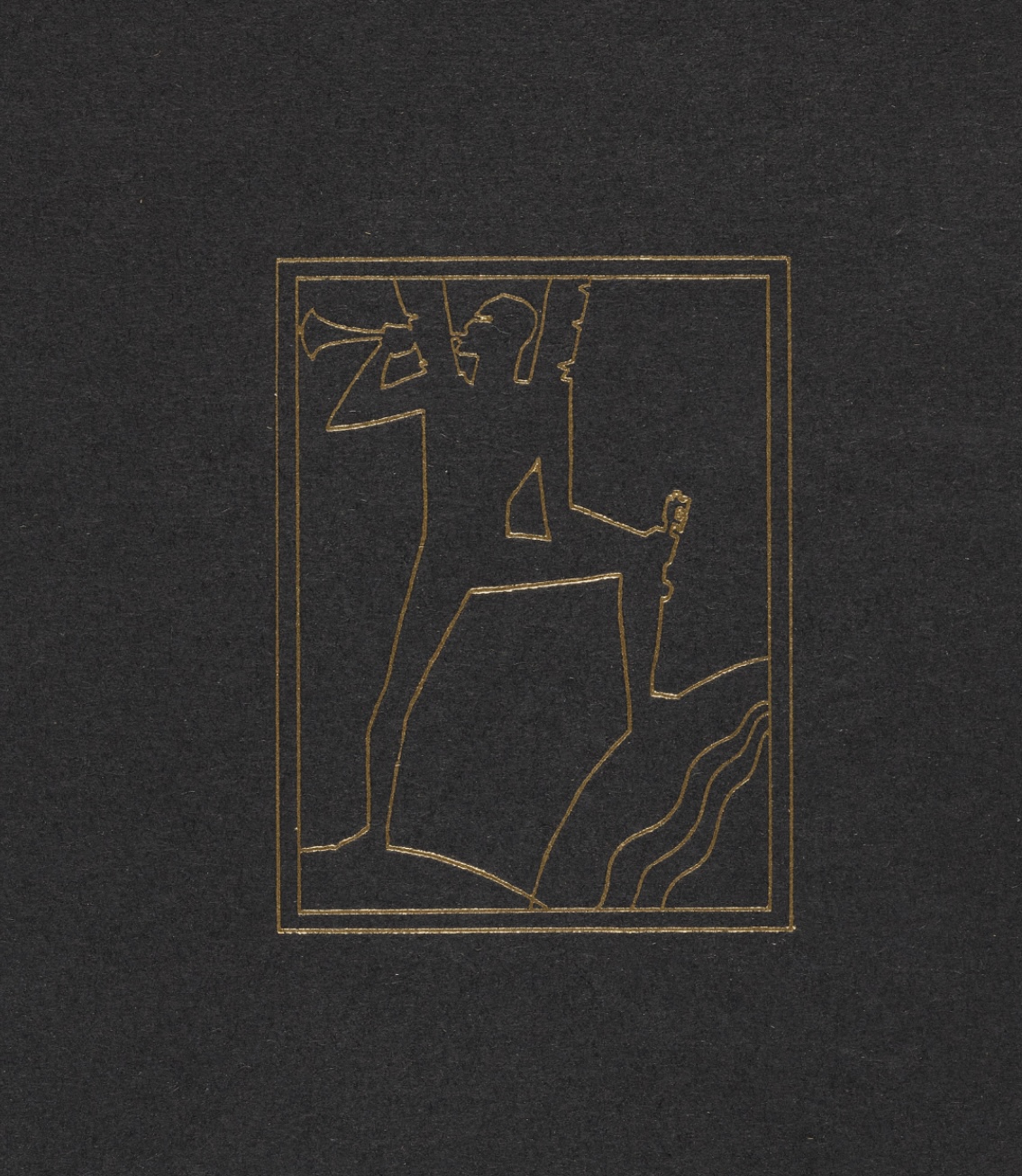
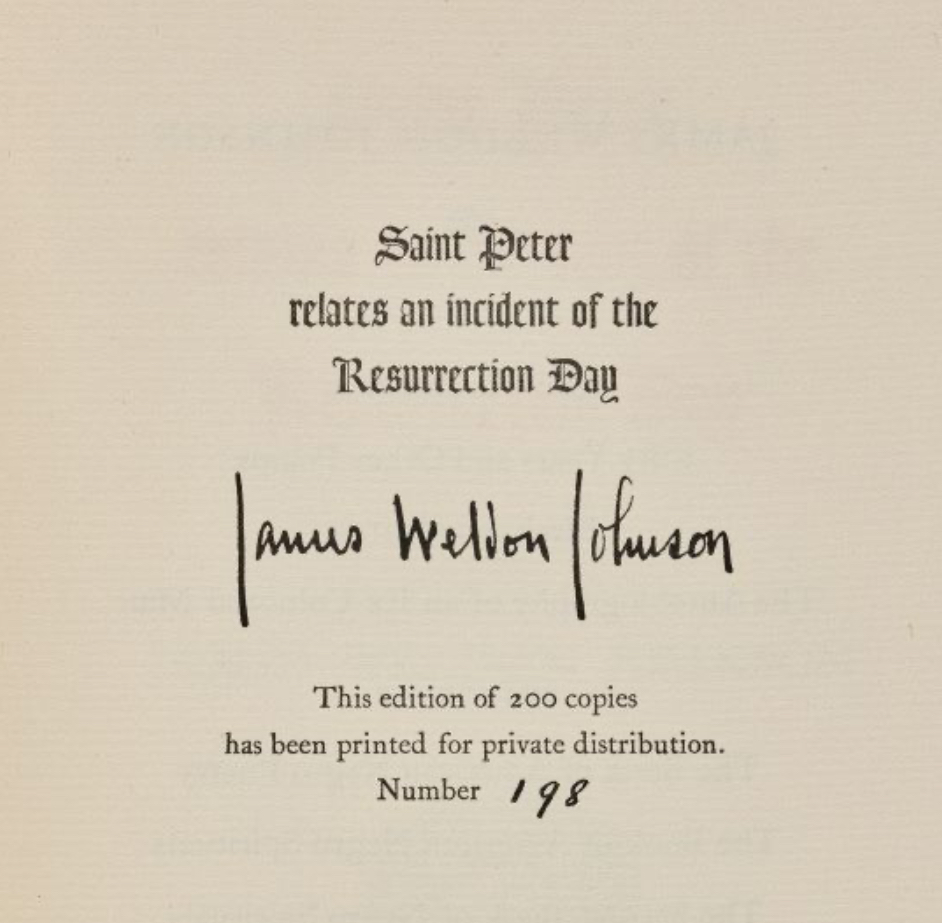
Saint Peter Relates an Incident of the Resurrection Day, written by James Weldon Johnson, was first issued privately in a limited edition of 200 copies in 1930; Princeton’s copy is number 198 of that run and is signed by Johnson. The work features illustrations by Aaron Douglas depicting the Unknown Soldier as Christlike, evoking crucifixion imagery.
Later included in Saint Peter Relates an Incident: Selected Poems (1935), the poem is historically significant for its powerful imagery exploring race, identity, honor, and nationhood through the death and remembrance of an Unknown Soldier killed in World War I. Johnson wrote it in response to a 1927 incident in which the U.S. State Department segregated African American Gold Star mothers, forcing them to travel on a second-class vessel to visit their sons’ graves in France, perpetuating Jim Crow policies. Narrated by Saint Peter on Judgment Day, the poem imagines white war veterans—including Ku Klux Klan members—preparing to escort the Unknown Soldier to Heaven, only to discover he is Black. Their admiration turns to hatred, and they debate reburying him, underscoring the persistence of racism even in the face of shared sacrifice. Ultimately, the Unknown Soldier marches triumphantly into Heaven while the prejudiced veterans are consigned to Hell. Princeton is also home to the 1935 edition, whose copy bears an inscription from Johnson to Eleanor Roosevelt, who collaborated with him on anti-lynching legislation after joining the NAACP in 1934.
The shutter of snow by Emily Holmes Coleman
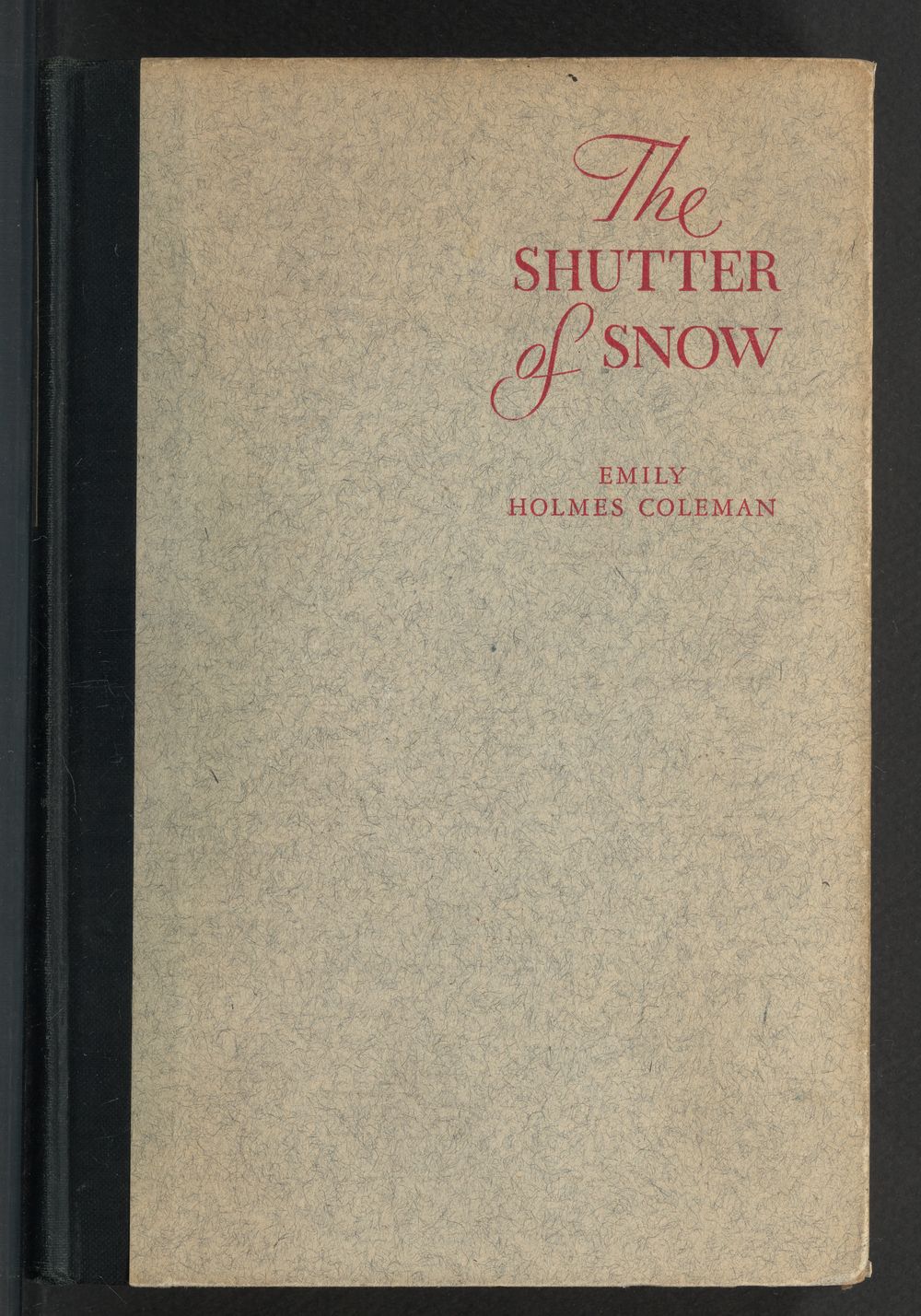
Emily Holmes Coleman was an American writer, diarist, and journalist best known for her modernist novel The Shutter of Snow, her only book-length work. The novel is a semi-autobiographical account of postpartum psychosis, following Marthe Gail, a new mother who is forcibly institutionalized shortly after giving birth. Written in an experimental style, the narrative unfolds in a continuous stream of consciousness without speech marks or paragraph breaks, creating a dreamlike, disorienting effect that mirrors Marthe’s fractured mental state. Coleman drew directly from her own experience: in 1924, after the birth of her son, John, she was committed to a state mental hospital for two months to treat postpartum psychosis.
Although a lesser-known figure in literary history, Coleman's novel has been described as the lost foremother of Sylvia Plath’s The Bell Jar, attributed to its feminist undertones and its frank depiction of mental illness and institutionalization. The novel anticipated later works such as Charlotte Perkins Gilman’s The Yellow Wallpaper, contributing to what critics describe as the 'madness-as-feminist-rebellion' metaphor. This literary strategy interrogates patriarchal control over women’s bodies and minds.
Coleman was deeply embedded with the Lost Generation, the expatriate literary scene of 1920s France, and worked as society editor for the Paris Tribune. Her diaries, spanning decades, offer a rich record of transatlantic modernism and intellectual life. Coleman’s work is significant for its rare poetic treatment of mental illness, situating her as an important voice in feminist and modernist literary traditions.
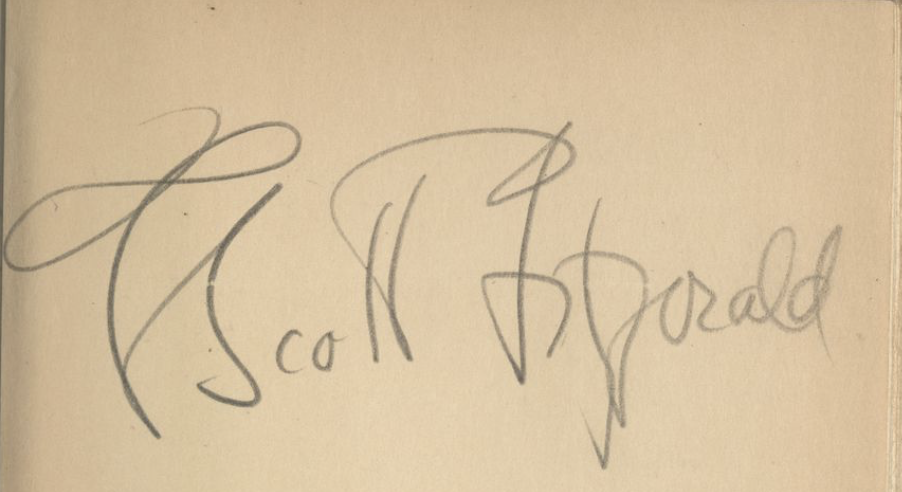
Princeton's copy is signed by F. Scott Fitzgerald and comes from his library donated to Princeton by his daughter Frances. Princeton is home to several collections pertaining to F. Scott Fitzgerald and to numerous first editions of his work including The Great Gatsby.
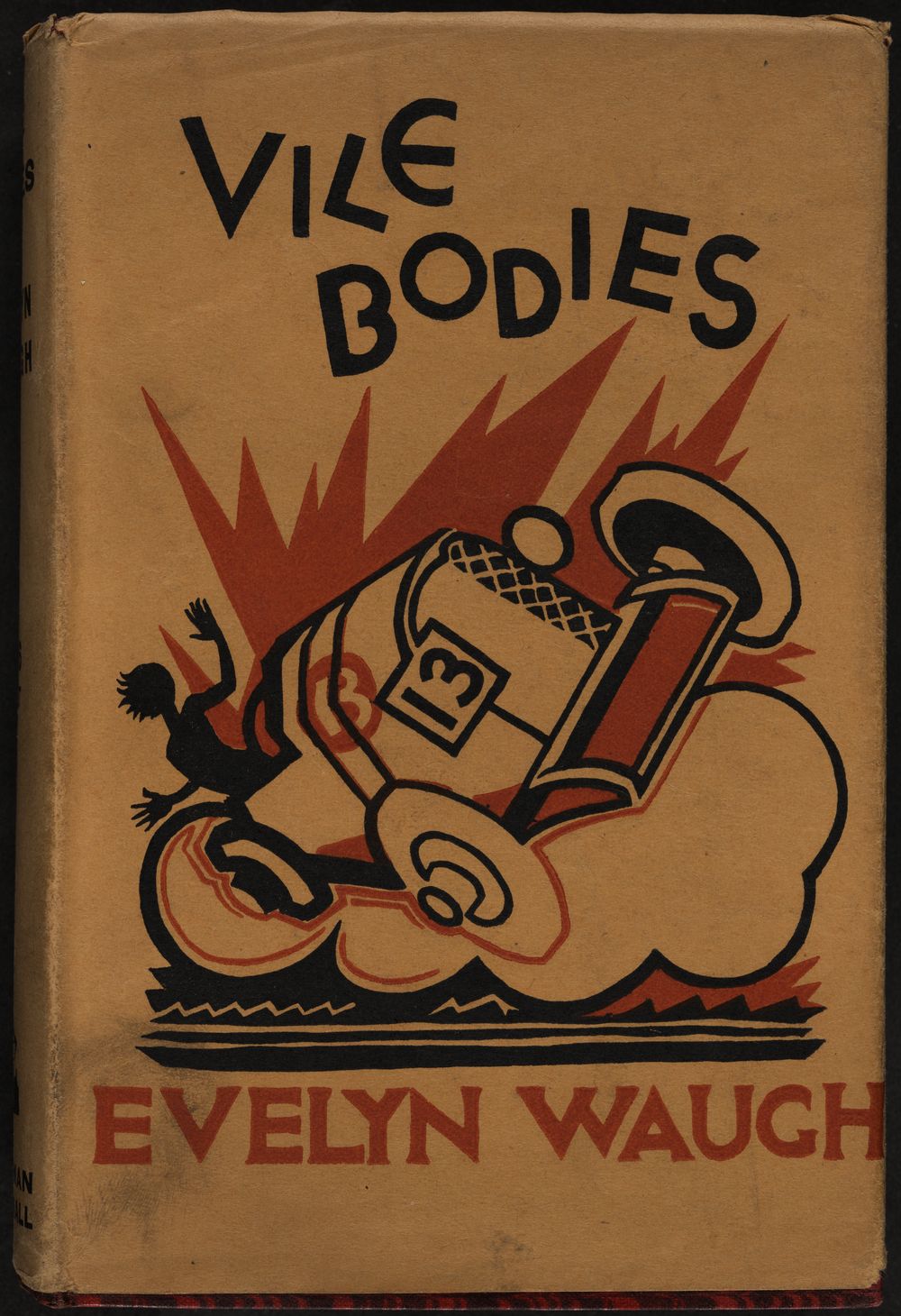
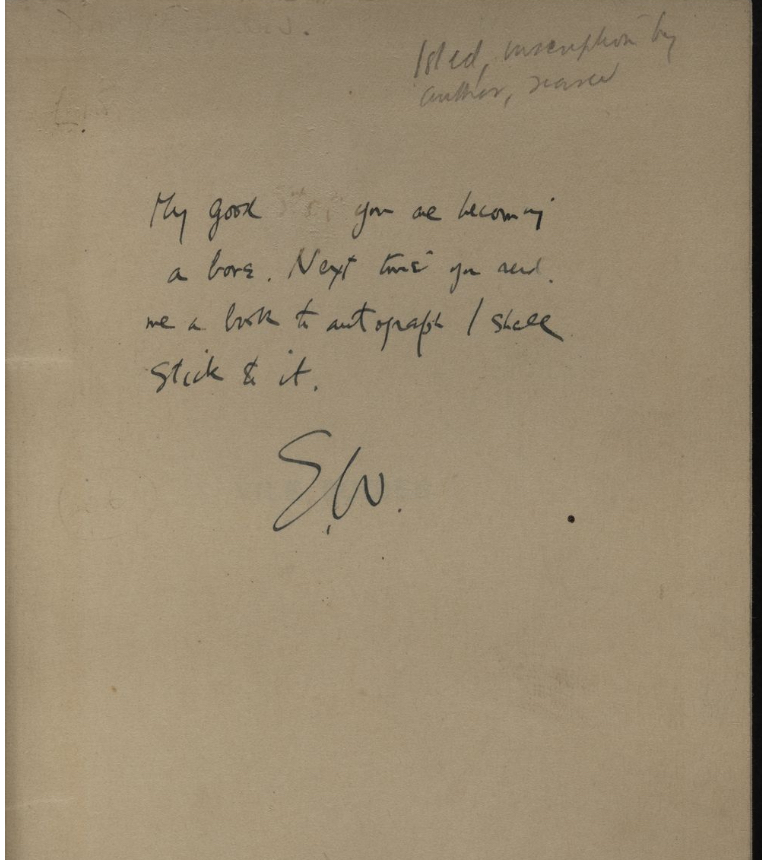
Evelyn Waugh’s Vile Bodies is a satirical novel that captures the excesses and moral ambiguities of Britain’s interwar period, particularly the world of the “Bright Young Things”—a group of wealthy, bohemian socialites known for their extravagant parties and hedonistic lifestyles. Beneath the glittering surface lies a pervasive sense of despair and cultural decline. The novel explores themes of decadence, disillusionment, and fragmentation in the aftermath of World War I, when the unprecedented scale of death and destruction shattered faith in progress and made Victorian ideals of honor and heroism seem hollow.
This period saw a profound questioning of traditional values, social structures, and artistic forms as writers grappled with the psychological and political aftermath of the Great War and the instability of the 1920s and 1930s. Modernist authors abandoned linear plots and omniscient narration, favoring stream-of-consciousness, montage, and disjointed structures to reflect a fractured world. Like The Great Gatsby, Vile Bodies shares a critique of postwar excess and spiritual emptiness, yet their cultural frames diverge: Gatsby’s tragedy is rooted in American idealism, Waugh’s satire in British aristocratic decline.
Vile Bodies marked a turning point in Waugh’s career, moving from the more conventional narrative of his debut novel, Decline and Fall, toward a sharper, more experimental satire. Upon its publication, Vile Bodies received mixed reviews, with some critics praising Waugh’s biting humor and incisive social critique, while others found its fragmented structure and bleak tone bleak. Despite this, the book was commercially successful and quickly became one of Waugh’s most significant early works.
Princeton's copy is part of the Richard H. Taylor (Princeton Class of 1930) collection.
Not Without Laughter by Langston Hughes


Departing from the urban landscapes common in Harlem Renaissance literature, Not Without Laughter, Langston Hughes’s debut novel, offers a semi-autobiographical portrait of African American life in the early twentieth-century Midwest. Its rural setting broadens the movement’s geographical and cultural range. Although Hughes was born in Joplin, Missouri, he spent much of his childhood in Lawrence, Kansas, with his maternal grandmother. Similarly, the novel follows Sandy Rogers, a young African American boy growing up in Stanton, Kansas, raised primarily by the women in his family.
Structured more episodically than as a tightly unified narrative, the novel traces Sandy’s growing awareness of the racial and class divisions that shape his world. Through a series of formative encounters in his boyhood and adolescence, Sandy confronts the realities of prejudice, economic hardship, and family strain. The novel is widely regarded as a landmark of African American fiction for its textured depiction of Black family life, social struggle, humor, and resilience in contradistinction to prevailing stereotypes.
Upon its publication by Hughe's longtime publisher, Alfred A. Knopf, Not Without Laughter received positive reviews. Early critics praised Hughes for avoiding minstrel caricatures and for presenting a multigenerational Black family with emotional depth. They commended his portrayal of realistic social conditions, folk culture, and community life, elements rarely depicted in mainstream fiction of the period. By the 1940s, however, the novel had been overshadowed by the political intensity and radical energy of Hughes’s poetry, which came to dominate his literary reputation.
The book’s original jacket, designed by fellow Kansan Aaron Douglas, depicts dancing men and women in green and pink against a white background.
Aphrodite in Aulis by George Moore
Aphrodite in Aulis, the final novel completed by George Moore, was issued as a limited edition of 1,825 copies by William Heinemann Publishers. Moore, frequently identified as the first major modern Irish novelist, uses this late work to reconceptualize classical Greek mythology through an exploration of beauty, erotic desire, and the ideals of artistic creation. The novel’s prose is highly descriptive, rhythmically cadenced, and strongly visual and has often been likened to lyric poetry, signaling a significant departure from the naturalist mode that defined much of Moore’s earlier fiction.
Set in ancient Greece, the narrative combines historical detail with speculative reconstruction. Moore’s sustained engagement with Hellenic culture is evident throughout, and although his research into classical antiquity was extensive, the text retains a number of deliberate or incidental anachronisms that reveal his interpretive priorities. A preliminary version of the work appeared in Vanity Fair in 1929, and Princeton’s copy bears Moore’s signature, enhancing its bibliographic significance.
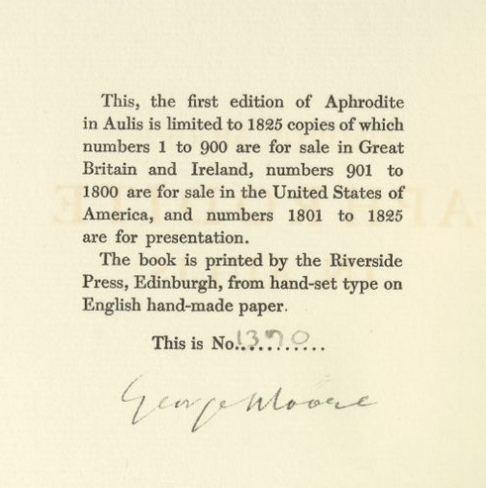
Within Moore’s oeuvre, Aphrodite in Aulis is regarded as an important example of his late stylistic and intellectual concerns, positioned at the intersection of Irish literary modernism and the wider currents of classical revivalism. The novel attests to Moore’s influence on contemporaries such as James Joyce and underscores his role in extending the formal and thematic possibilities of modernist fiction through mythic adaptation. More broadly, Moore stands among the earliest English-language writers to integrate the aesthetic and narrative strategies of French realism into modern prose traditions.
The little engine that could retold by Watty Piper from the pony engine, by Mabel C. Bragg
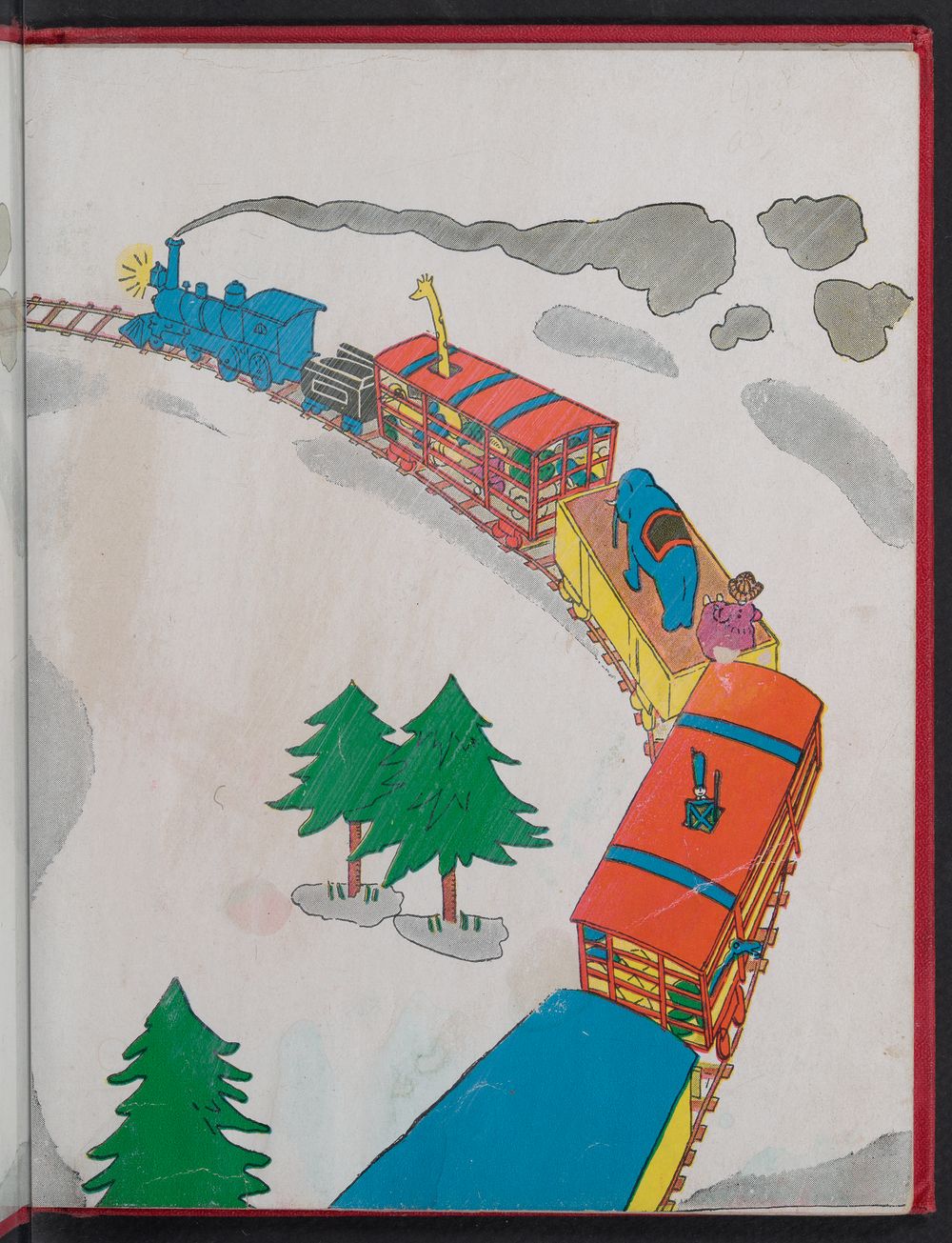
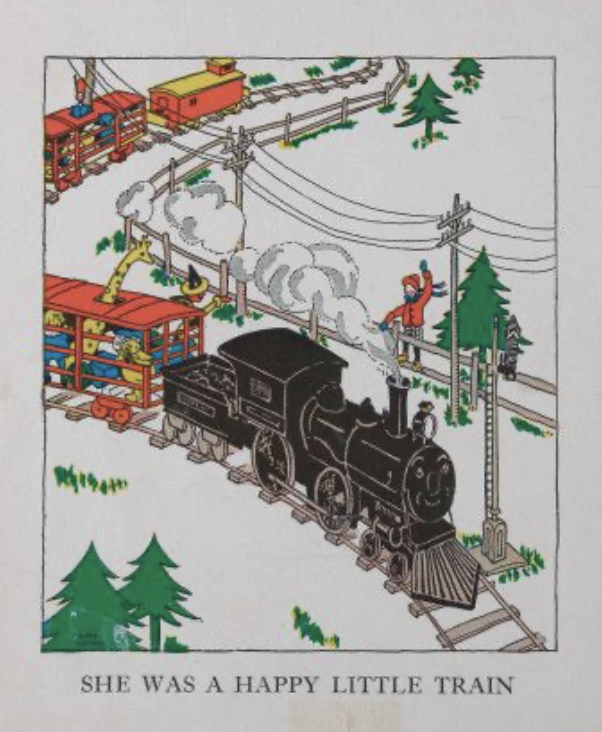
The Little Engine That Could occupies a central place in the history of American children’s literature. The narrative recounts the efforts of a small blue engine that undertakes to pull a stalled train over a steep mountain after larger and ostensibly more capable engines decline the task. First published in book form in 1930, The Little Engine That Could was quickly recognized as a timely vehicle for promoting ideals of perseverance, cooperative labor, and moral responsibility during the early years of the Great Depression.
Although its canonical status solidified in the mid-twentieth century, the tale itself had circulated in multiple variants for several decades. Its uncertain and contested origins have given rise to ongoing debates concerning authorship, textual lineage, and proprietary rights—including a notable lawsuit in the 1950s.
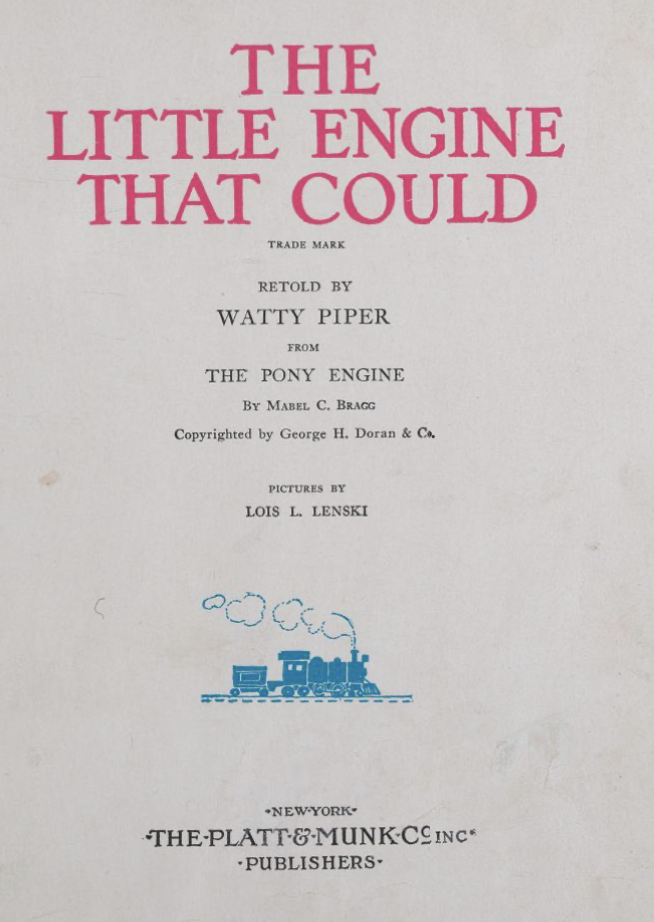
In 1924, Arnold Munk, writing under the pseudonym Watty Piper, secured the copyright to an earlier version of the story: Mabel C. Bragg’s The Pony Engine, first published in a children’s periodical in 1916. The 1930 edition explicitly acknowledges this provenance on its title page, stating that it was “retold by Watty Piper from The Pony Engine by Mabel C. Bragg, copyrighted by George H. Doran and Co.” Munk’s firm, Platt & Munk, commissioned Newbery Medal–winning illustrator and children's book author Lois Lenski to create artwork for the story’s first appearance in book form. Enhanced by Lenski’s vivid illustrations, the volume articulated an ethos of industriousness, optimism, and moral clarity. This edition rapidly became the definitive version, with sales estimated at one million copies by 1954.
Princeton's copy is part of the Cotsen Children's Collection and was gifted to a little boy named Jimmy from his Granny McD, as indicated by the inscription.
Paul Robeson, Negro by Eslanda G. Robeson
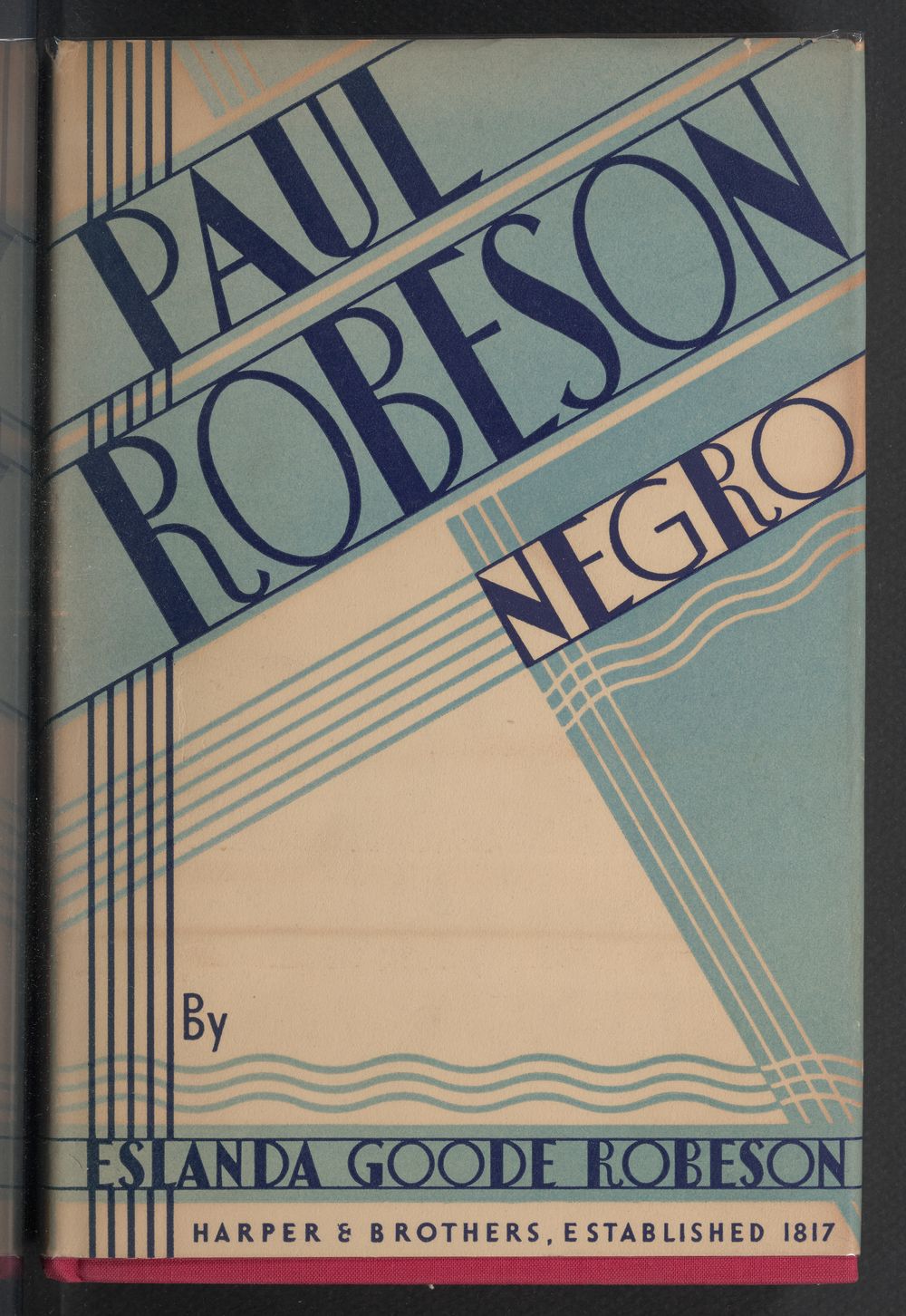
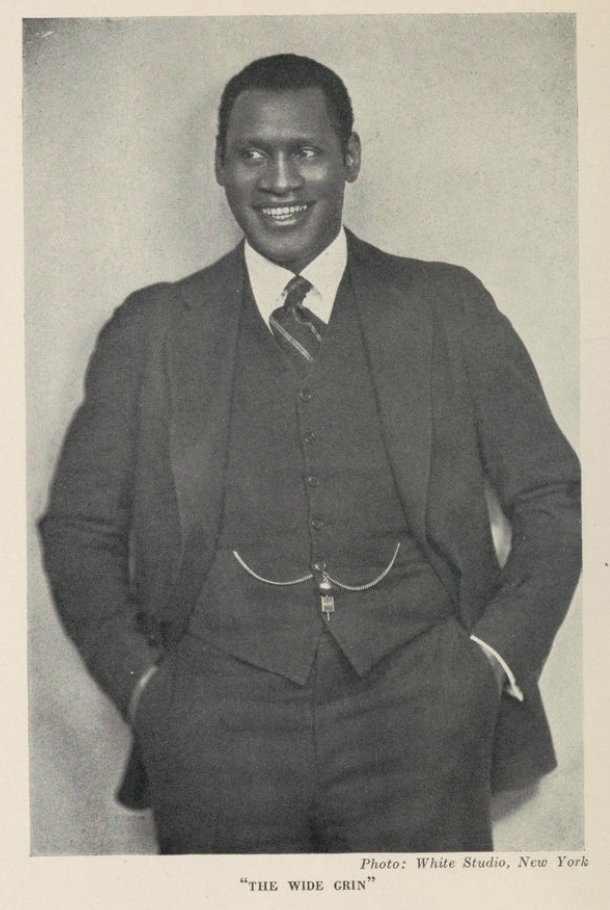
Eslanda Goode Robeson’s biography of her husband, Paul Robeson, Negro, offers an intimate account of Paul Robeson’s early life, emerging talent, and complex personality. First published in London by the left-wing press Victor Gollancz and, with minor revisions, by Harper & Brothers in New York and London later that same year, the book presents Robeson not merely as an exceptional performer but as a figure whose personal history is inseparable from the broader political and cultural forces shaping the Harlem Renaissance. The work is deeply personal, offering reflective commentary on his strengths, insecurities, and the challenges the couple faced both privately and as public figures.
Princeton-born Paul Robeson became an internationally celebrated singer, actor, scholar, and civil rights activist. A former All-American athlete and pioneering Black graduate of Rutgers University and Columbia Law School, he turned to the arts after encountering racial discrimination in the legal profession. He achieved fame through roles such as Othello on stage and his iconic performance of “Ol’ Man River” in Show Boat. Robeson was also a committed advocate for global workers’ rights, anti-colonial movements, and racial equality—commitments that brought him widespread admiration abroad but also intense political persecution in the United States during the McCarthy era. Eslanda’s biography challenges narratives that portray Black artists and intellectuals as isolated geniuses, instead situating her husband’s life within a broader project of collective racial uplift and ethical self-fashioning.
Eslanda met Paul Robeson in 1919, when she too was a student at Columbia University. Her engagement with activism began early; as a teenager in Washington, D.C., she protested local racial segregation. She later enrolled at the London School of Economics to study anthropology, focusing her research on African freedom movements.
Although Eslanda often described herself as an “accidental writer,” she was in fact a prolific diarist, journalist, playwright, and novelist. Paul Robeson, Negro became the first of several published works. Princeton houses manuscript correspondence between Eslanda and her book publisher, John Day Company. In 1949, she co-authored American Argument with Nobel Prize–winning writer Pearl S. Buck.
Princeton's copy features the original dustjacket, and was inscribed to its previous owner Delmer Daves by D. McBride.
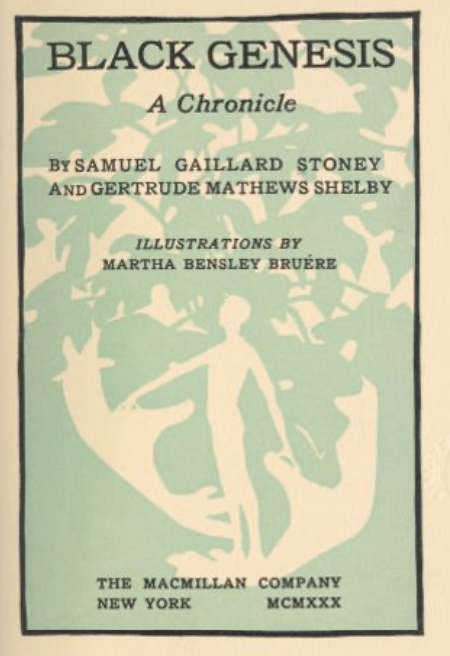
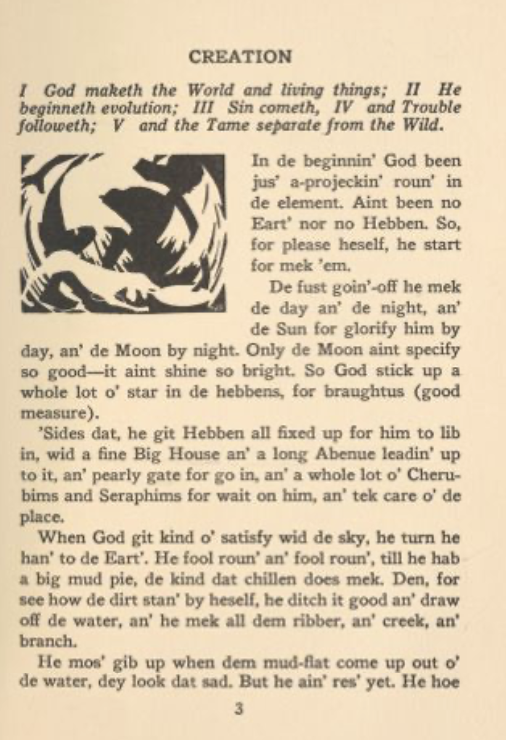
Black Genesis: A Chronicle represents an early attempt to document the oral traditions of the Gullah people, descendants of enslaved Africans who lived in the coastal regions and Sea Islands of South Carolina and Georgia. The book gathers folkloric creation tales and traditional narratives, preserving them in the Gullah dialect to reflect the language, worldview, and cultural imagination of the storytellers with whom Samuel Gaillard Stoney collaborated. Charleston-born Stoney grew up in the Lowcountry and developed a lifelong interest in Gullah speech and traditions. The Gullah language developed during the transatlantic slave trade as Africans from diverse ethnic and linguistic backgrounds adapted English vocabulary to their own grammatical structures.
Black Genesis was contemporaneously cited in anthropological and folklore studies as one of the foundational texts documenting Gullah narratives. Sterling A. Brown, a scholar of black folklore literature and regular contributor to The Opportunity, praised the book for capturing the “essential qualities of the people” in the October book review of that year. More recently, the work has been criticized for its romanticization and oversimplification of Gullah oral traditions.
The Maltese Falcon by Dashiell Hammett
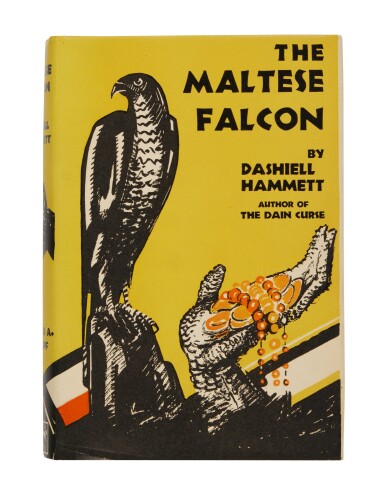
Considered one of the best detective novels of all time, Dashiell Hammett’s The Maltese Falcon helped to launch hard-boiled detective fiction into the mainstream. Centered on the iconic PI Sam Spade, the story is entirely told in third person point of view, keeping the reader from any internal thoughts or feelings. The book was originally serialized in five parts in the magazine Black Mask before being compiled into this first edition, complete with iconic dust jacket.
Ten poems by Kathleen Tankersley Young
For a long time, Kathleen Tyankersley Young was a forgotten voice of the Harlem Renaissance. Born in Texas, she edited Blues: A Magazine of New Rhythms with co-editors Charles Henri Ford and Parker Tyler, including the work of luminaries like Ezra Pound, William Carlos Williams and E.E. Cummings. Her own work appeared in various journals of the time, including Modern Editions Press. Ten Poems is her first published volume. Often described as dreamy, Young played with form and convention across her compositions, while much work is to be done to better understand her poetics. In addition to her published works, Special Collections also holds a collection of Kathleen Tankersley Young Correspondence (C1273).
The Aloe by Katherine Mansfield
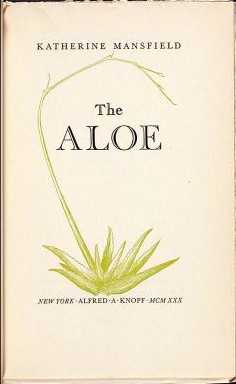
Katherine Mansfield is a lesser-known literary figure who lived in the orbit of Virginia Woolf’s Bloomsbury Group. Originally from New Zealand, she wrote poetry, short stories, and a few novels that have been praised for their understated prose but emotionally complex themes. The Aloe began as a short story, “Prelude,” and was based on Mansfield’s own experience living in a suburb of Wellington.
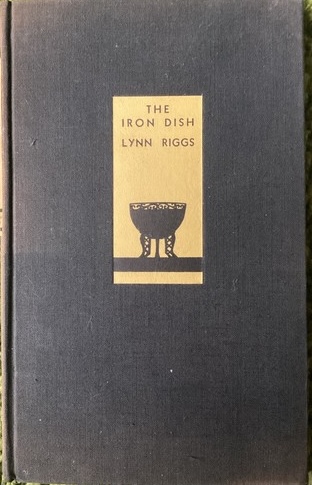
Many know Lynn Riggs most notable work, if not the man himself. A novelist, poet, painter and screenwriter, his play Green Grow the Lilacs would be adapted by Rogers and Hammerstein into the musical Oklahoma!. The Iron Dish is one of two books of his poetry.
Not so quiet or Stepdaughters of war by Helen Zenna Smith
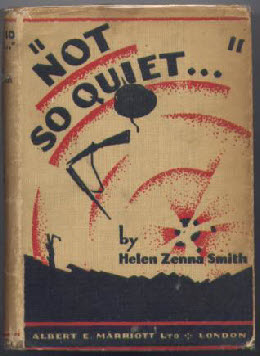
Published in the UK as Not So Quiet but in the US as Stepdaughters of War, Helen Zenna Smith aka Evadne Price’s World War I novel pulls back the curtain on the true experiences of women during The Great War. Written in the style of (and almost as a companion to) All Quiet on the Western Front, Smith’s opus centers on a female ambulance driver and the horrors she witnesses during her tenure. Today, the book is remembered for its feminist themes and de-romanticization of the war effort, particularly among stories of women and is considered a paragon of war literature.
