Contemporaneous views of The Great Gatsby

The first edition dust jacket of The Great Gatsby (1925)
In April of 2025, The Great Gatsby will celebrate its centennial as a "Great American Novel." It has received film, stage, and opera adaptations, and is read by high school students across the country. F. Scott Fitzgerald, its author, has become one of the most recognizable American writers of the 20th century, a level of authorial fame which had only barely begun in his lifetime. However, in his lifetime, newspapers devoted many lines to the man and his lifestyle, sometimes at the expense of his writing.
The journey of The Great Gatsby to its level of acclaim is also the journey of “Fitz” from an intriguing young writer to a canonized literary superstar, and the media response to his third novel shows the evolution of the cultural perception of Fitzgerald from his early works to his masterpiece. Like Jay Gatsby himself, Fitzgerald was in tension with a powerful reputation that threatened to overcome the real man -- the book and its author endured the media scrutiny together.
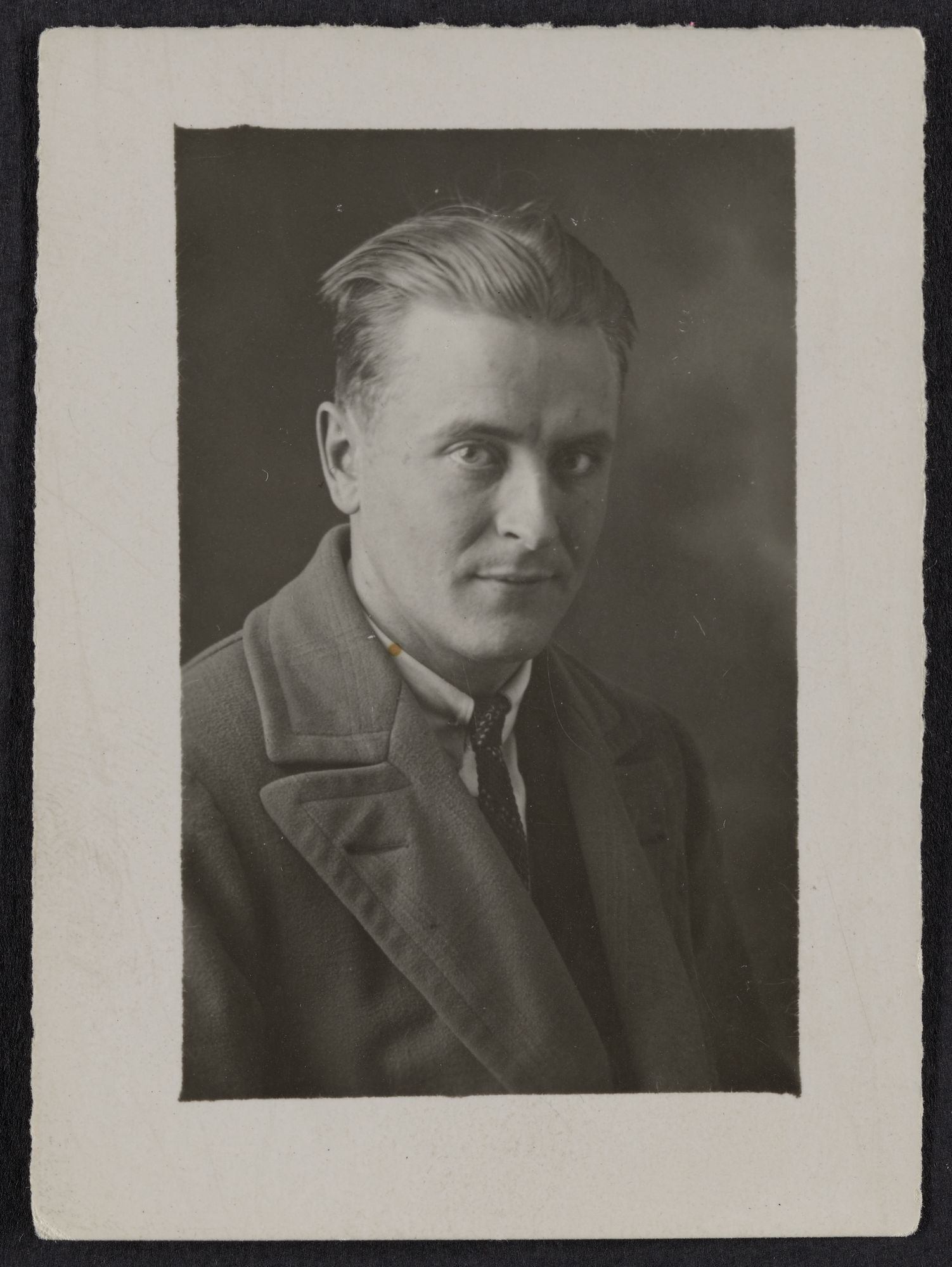
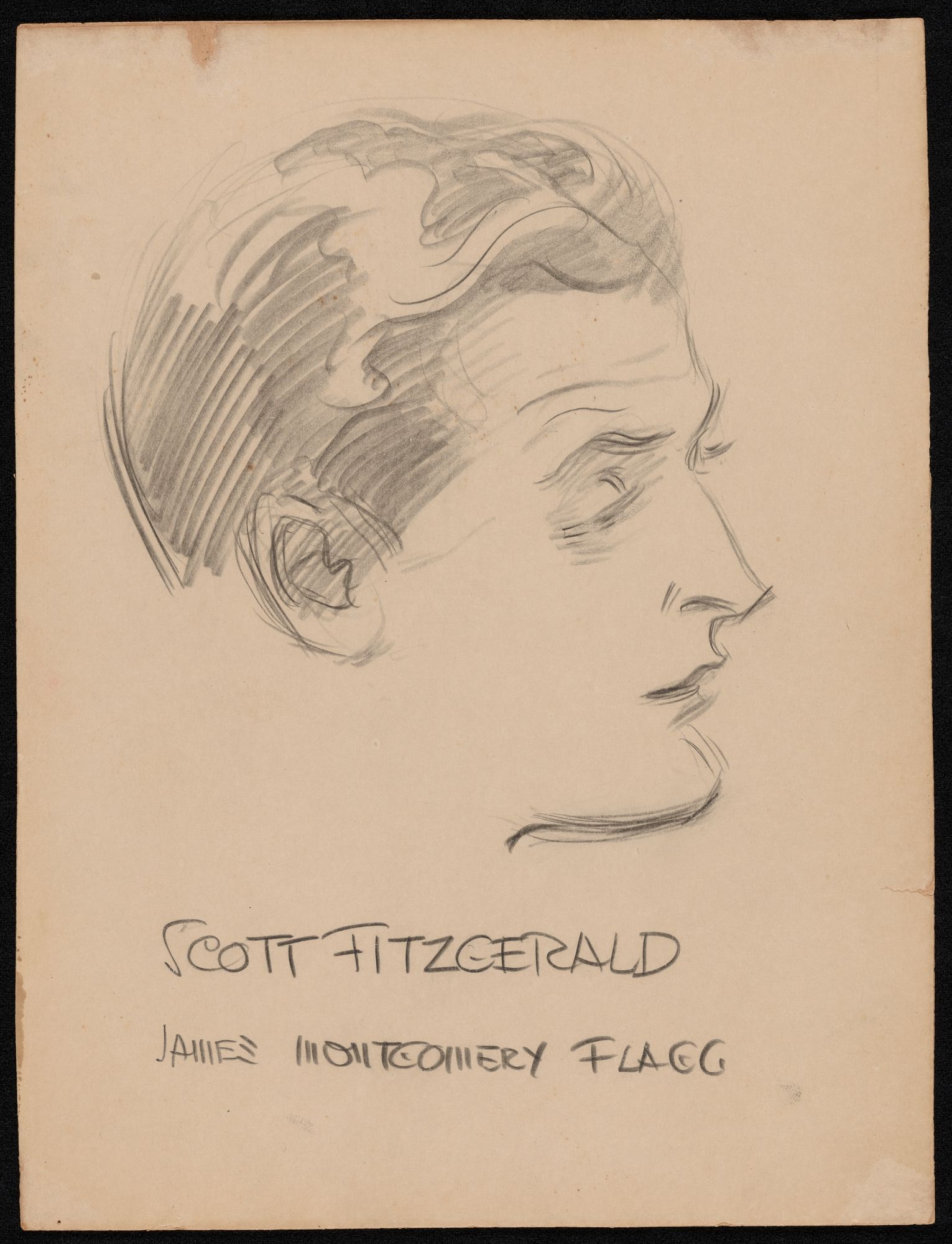
F. Scott Fitzgerald from an early photograph and as rendered by the artist James Montgomery Flagg.
On Sunday morning while church bells rang in the villages alongshore, the world and its mistress returned to Gatsby’s house and twinkled hilariously on his lawn.
‘He’s a bootlegger,’ said the young ladies, moving somewhere between his cocktails and his flowers. ‘One time he killed a man who had found out that he was nephew to Von Hindenburg and second cousin to the devil. Reach me a rose, honey, and pour me a last drop into that there crystal glass.'