Ephemeral Collections at PUL
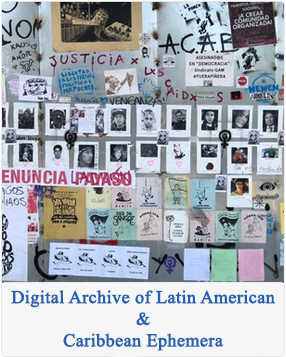
The vast majority of the materials in these collections are otherwise unavailable primary resources which document ongoing processes of social, political, and cultural change during the 20th and 21st centuries. They provide a wide spectrum of perspectives and positions that enrich and balance official statements and establishment versions of events, as well as the generalizations of journalistic and scholarly accounts. They help ensure that the numerous voices and messages that circulate only outside or in the margins of mainstream communication channels are not permanently lost.
Digitization of these collections turn hidden archives into exceptional, dynamic scholarly resources that support present and future academic activities in interdisciplinary studies and in the broader social sciences and the humanities. It has the potential of enabling a wide variety of research projects in politics and government, anthropology, sociology, policy studies, social history, economics, environmental studies, and many other fields that would otherwise be impossible to conduct. Possibilities for study and analysis of the materials are not limited to the overtly social and political, as the symbols, imagery, and language present in the materials surely provoke many other different types of content analysis and inquiry. From a long term perspective, the intellectual and research value of the collections for historical research is unquestionable.
High demand for the type of material represented in these collections has been amply demonstrated by the heavy use at Princeton and beyond. The use of the collections for curriculum and teaching purposes as well can be expected to increase if the materials are available online.
Once online, these collections have the desirable potential of reaching broad audiences across the countries and regions from which they originated, and of supporting scholars and policy makers interested in transnational comparative perspectives that transcend local circumstances.